
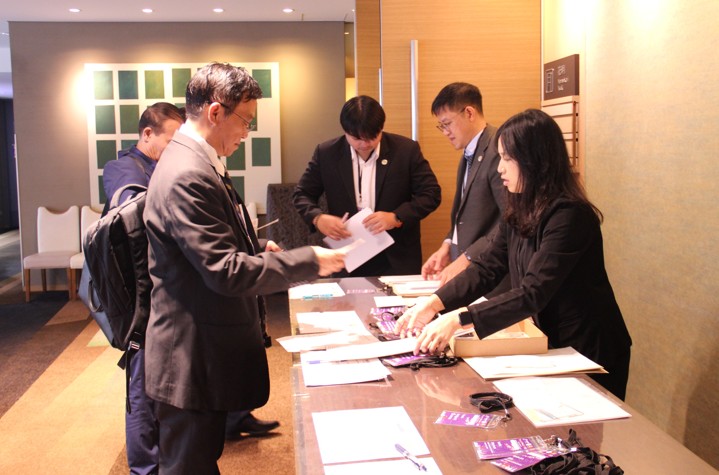
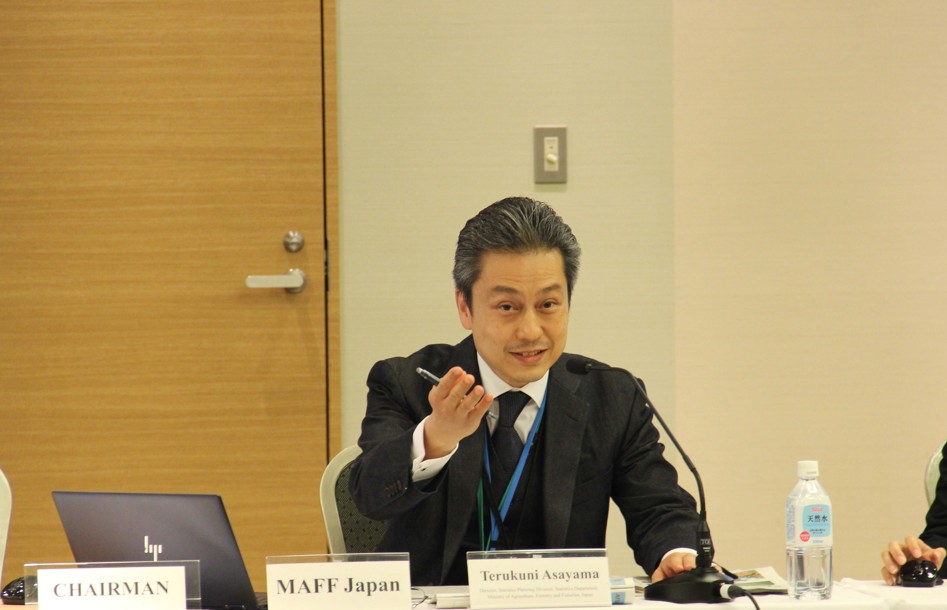
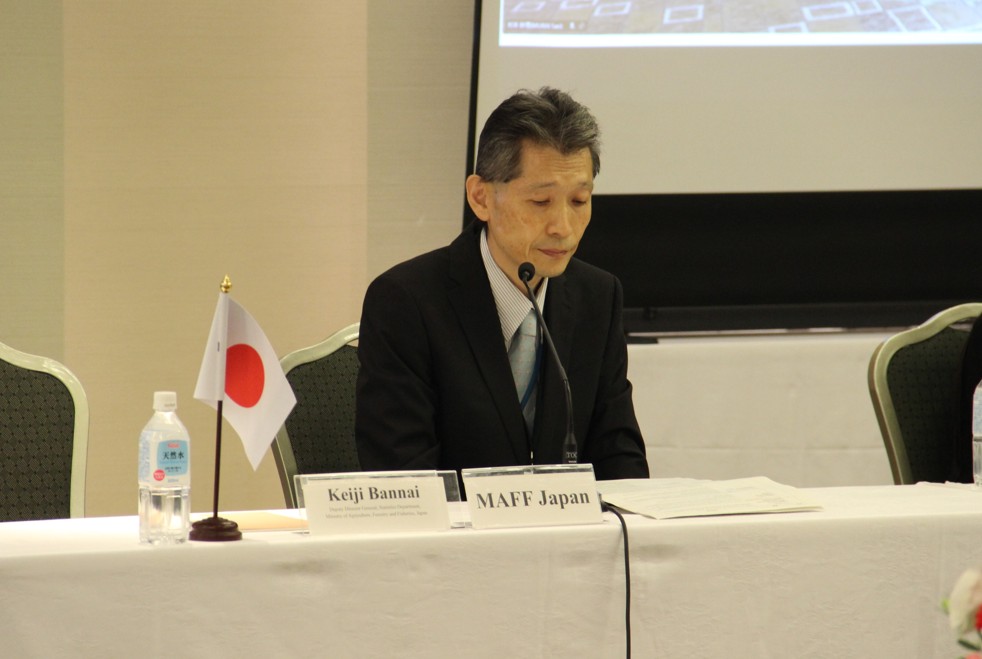
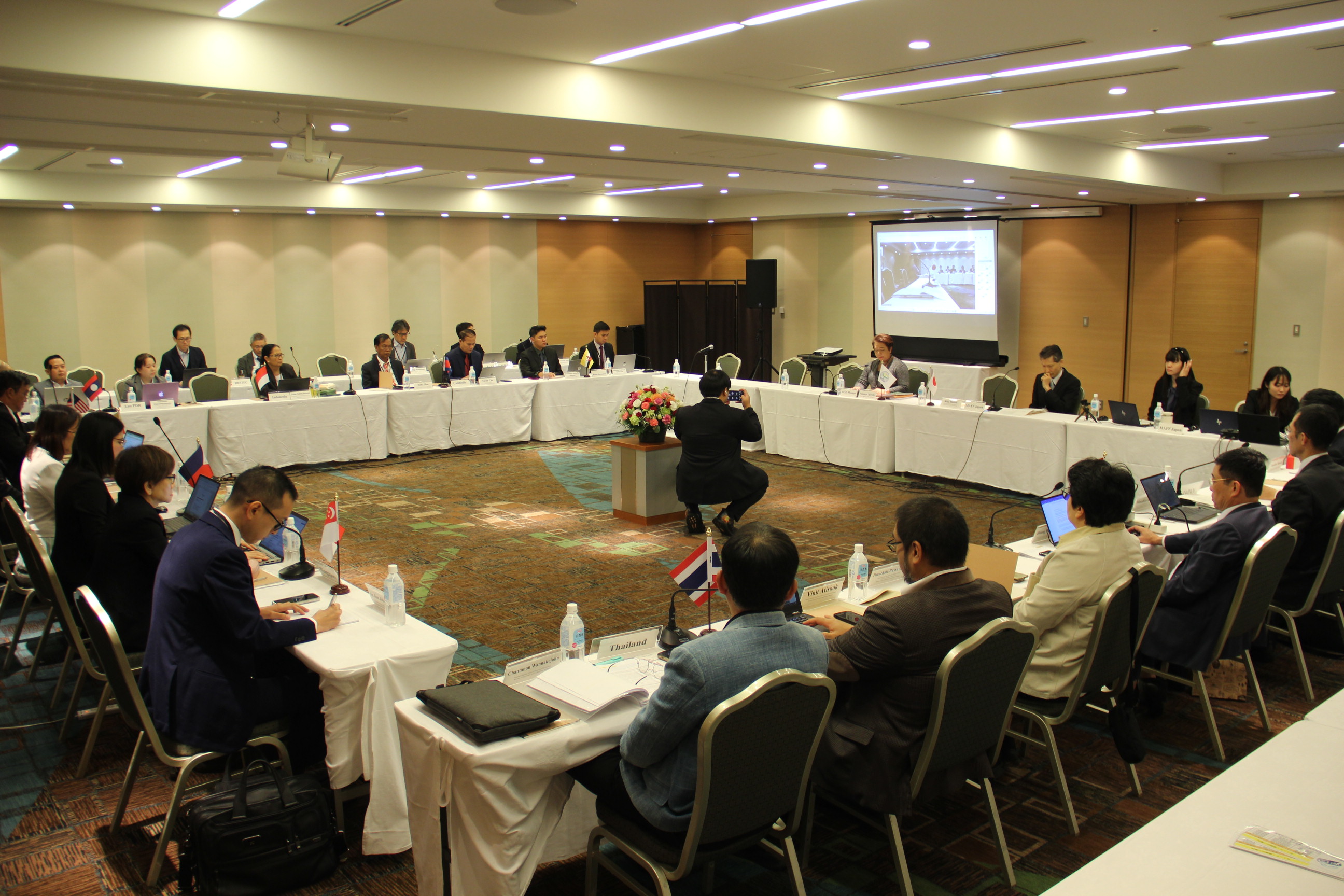
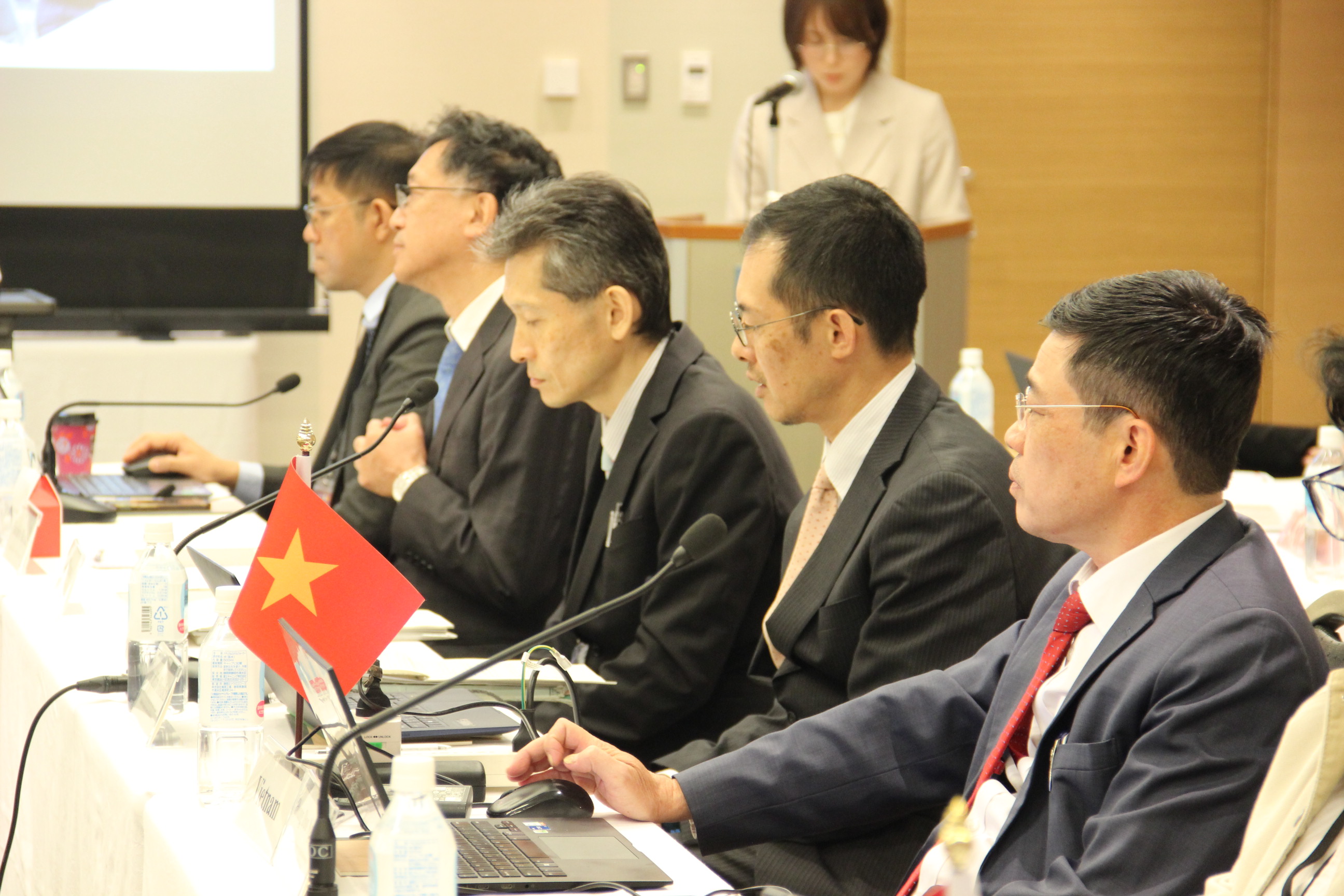
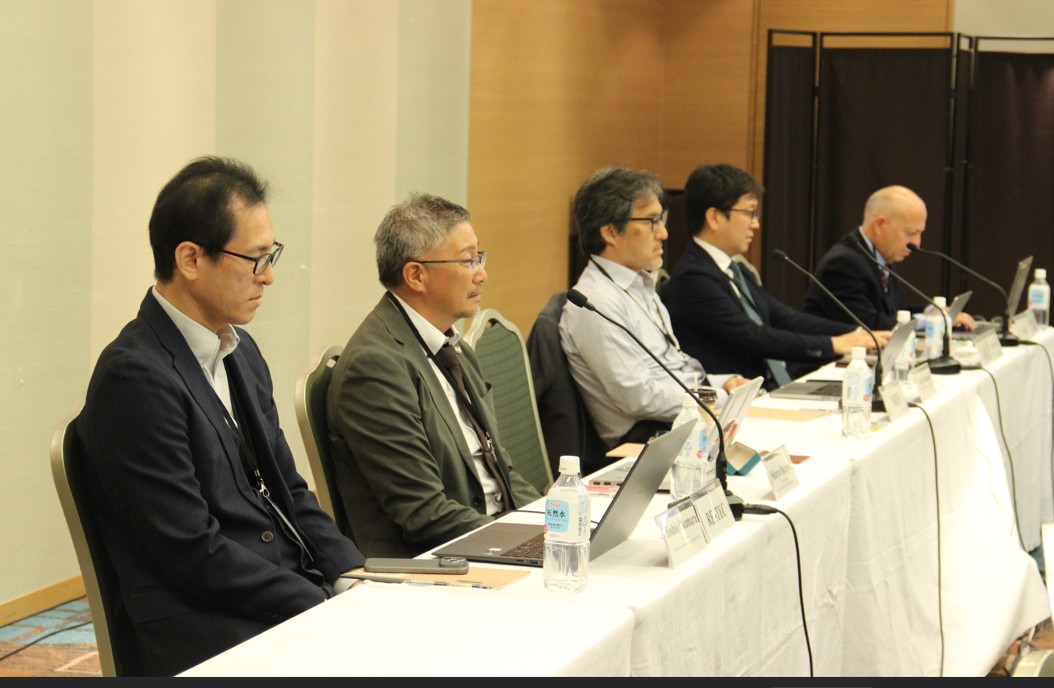
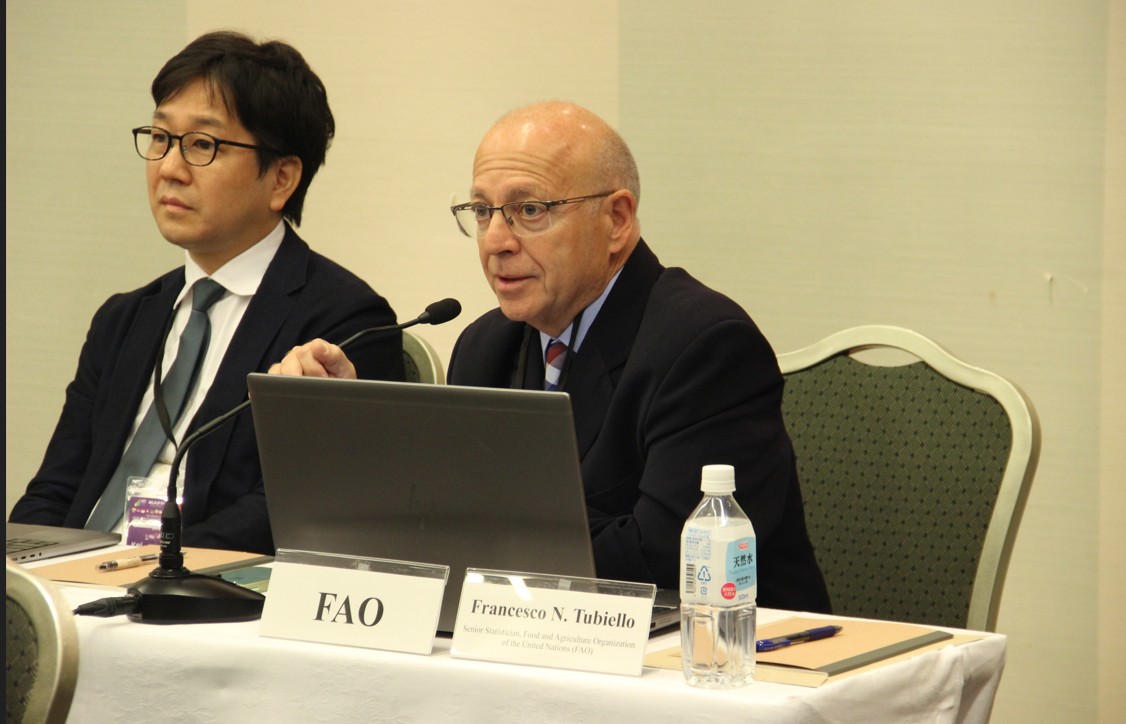
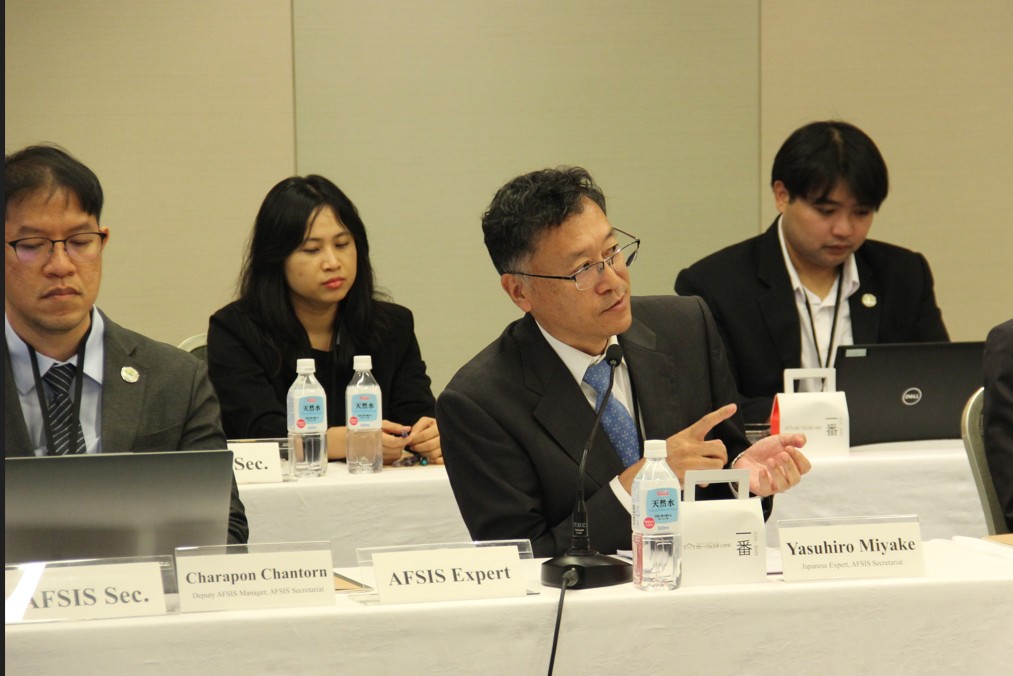
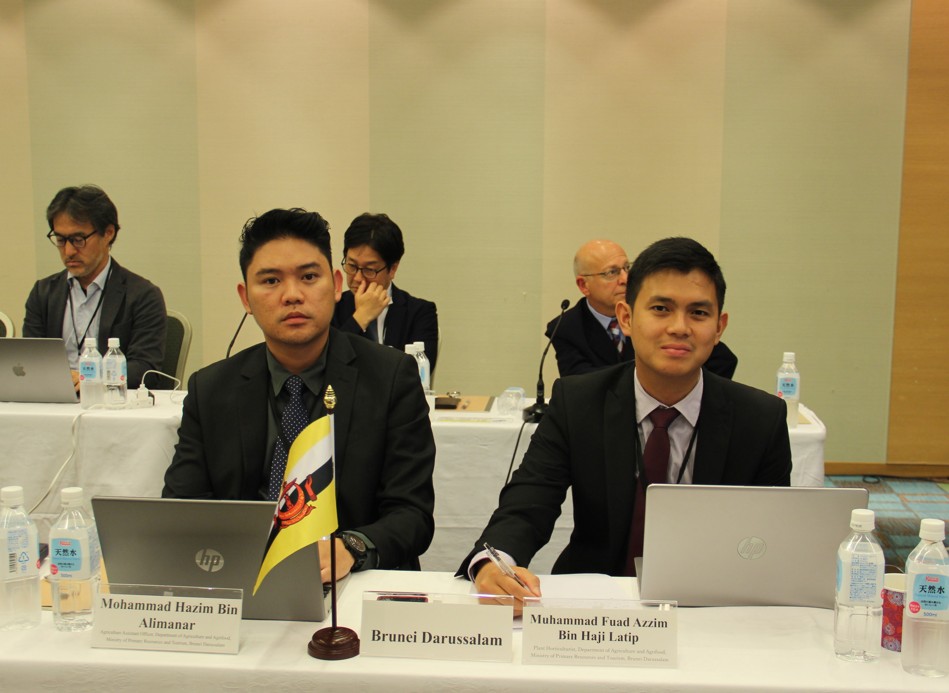
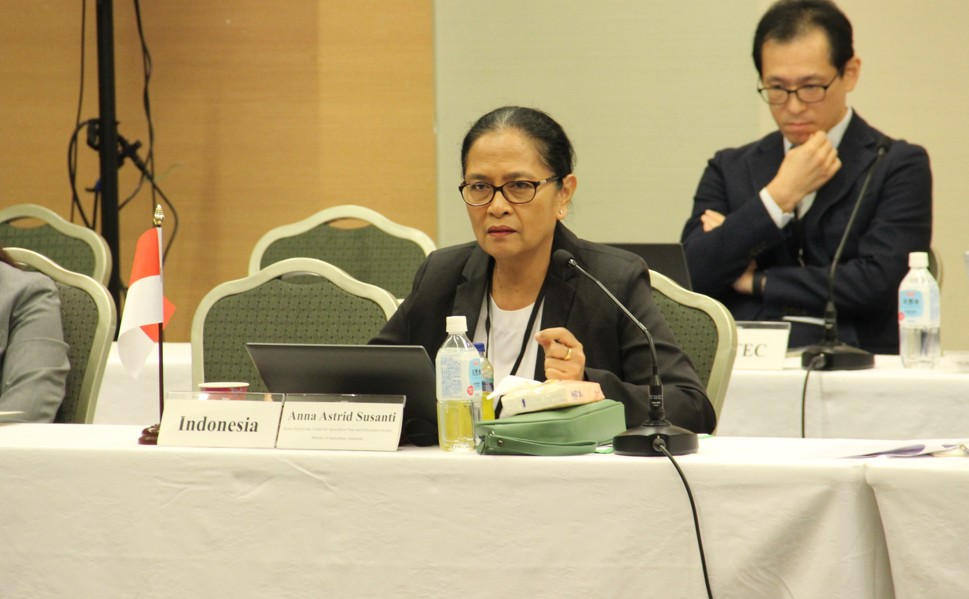
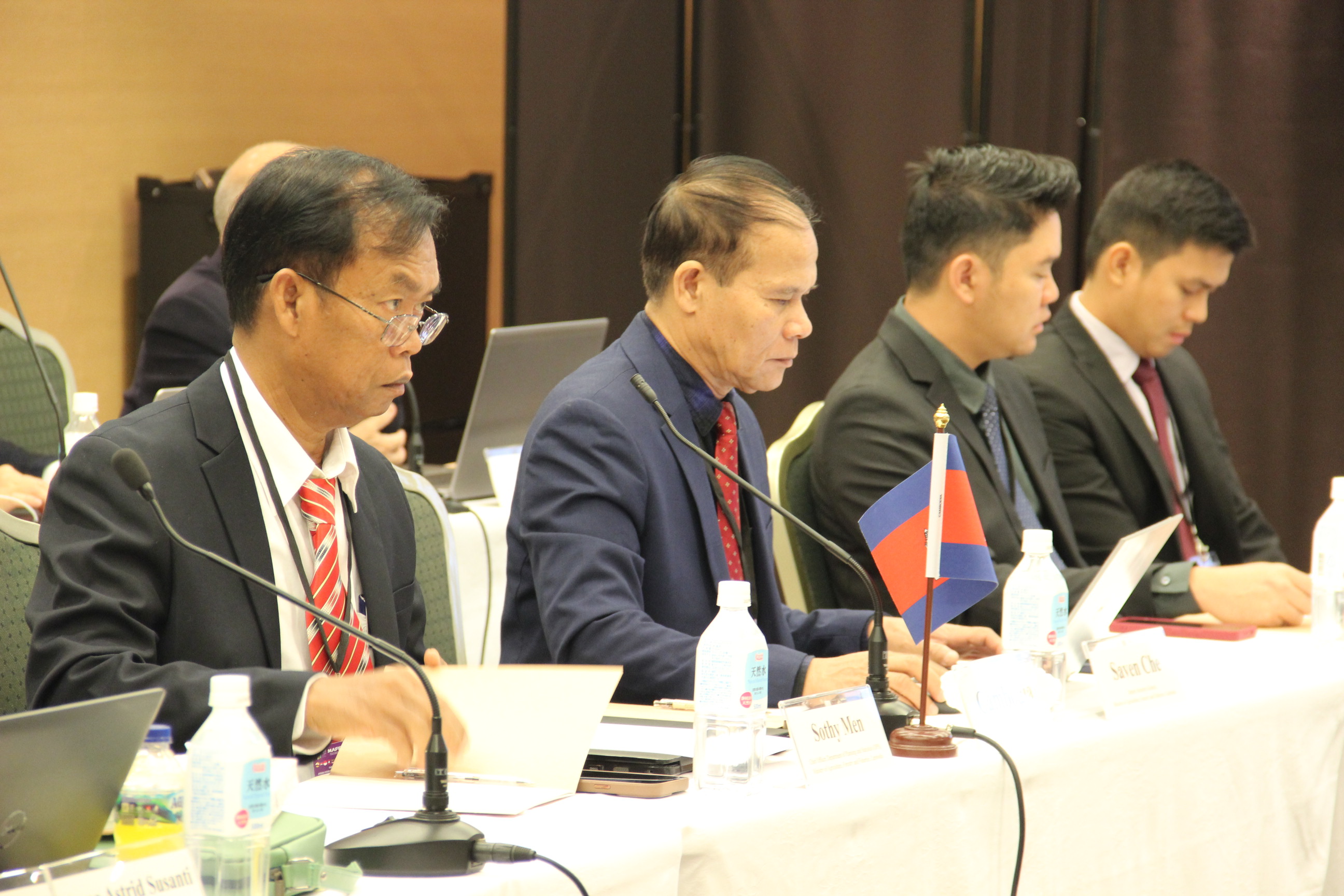
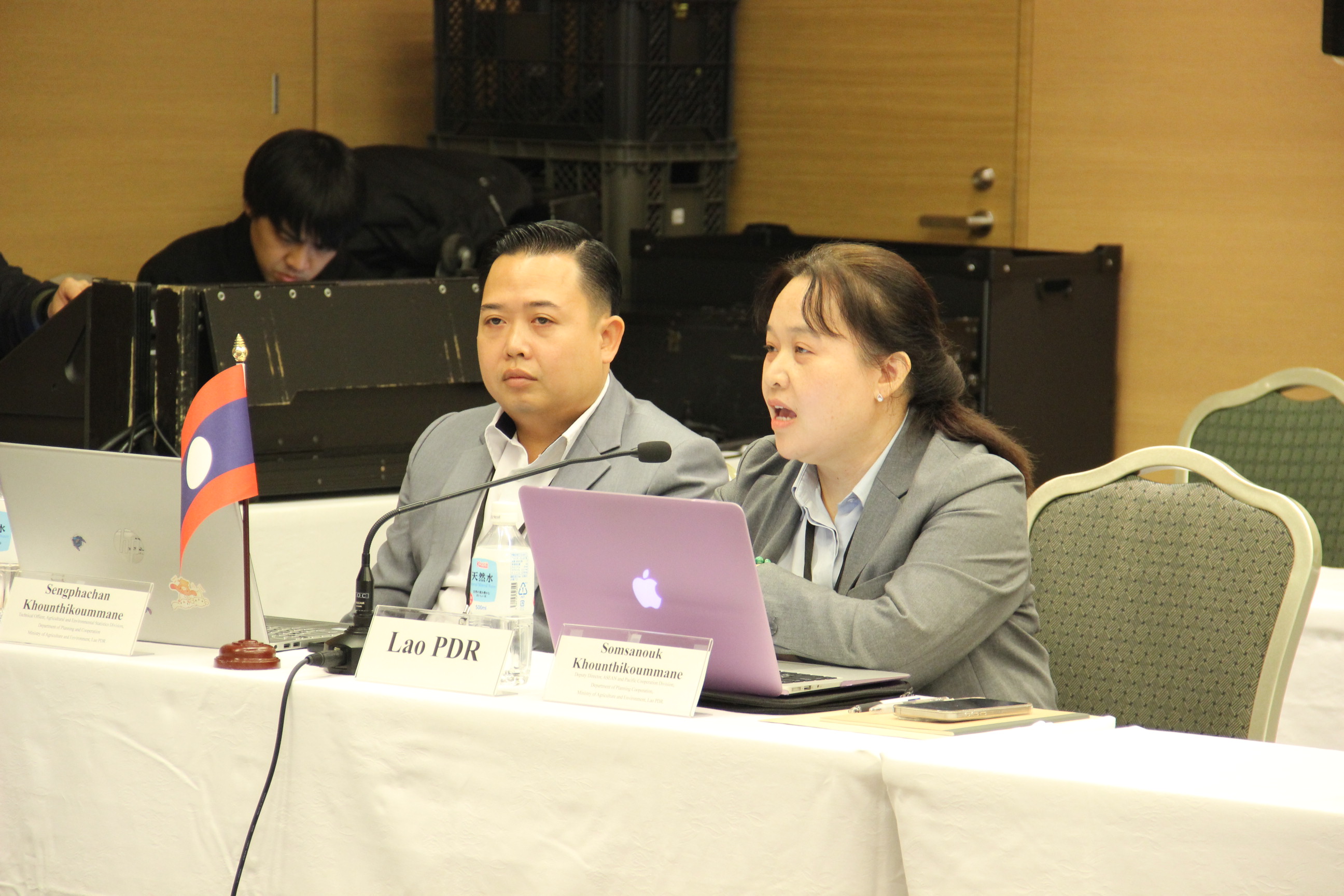
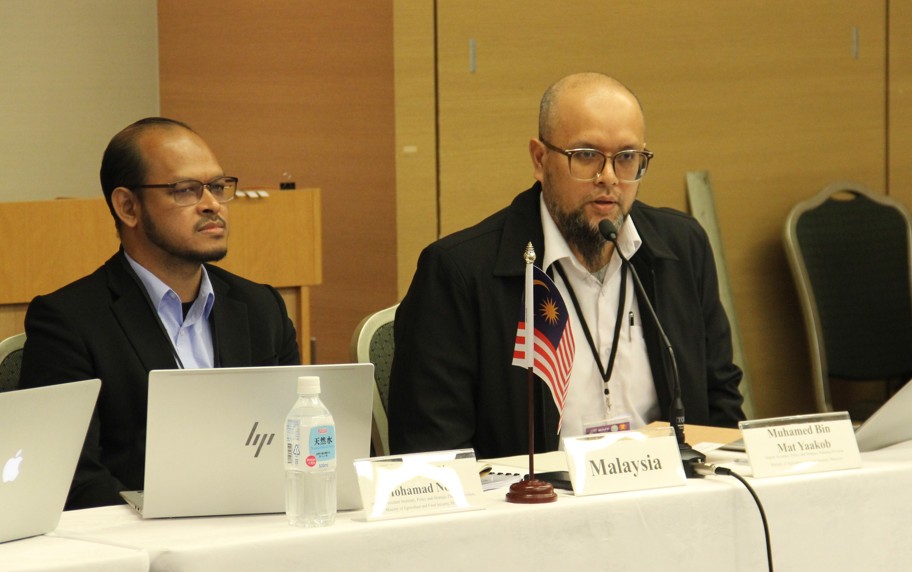
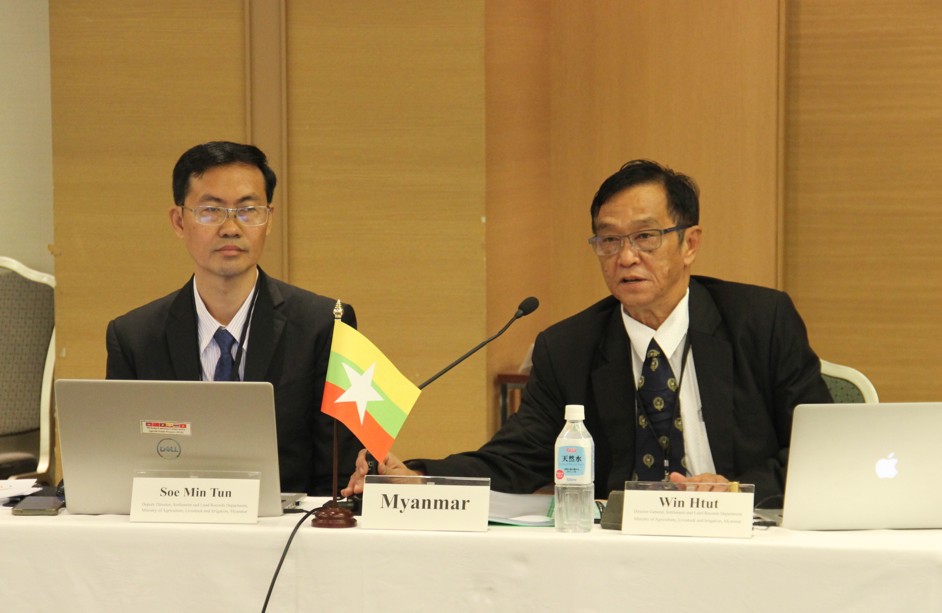
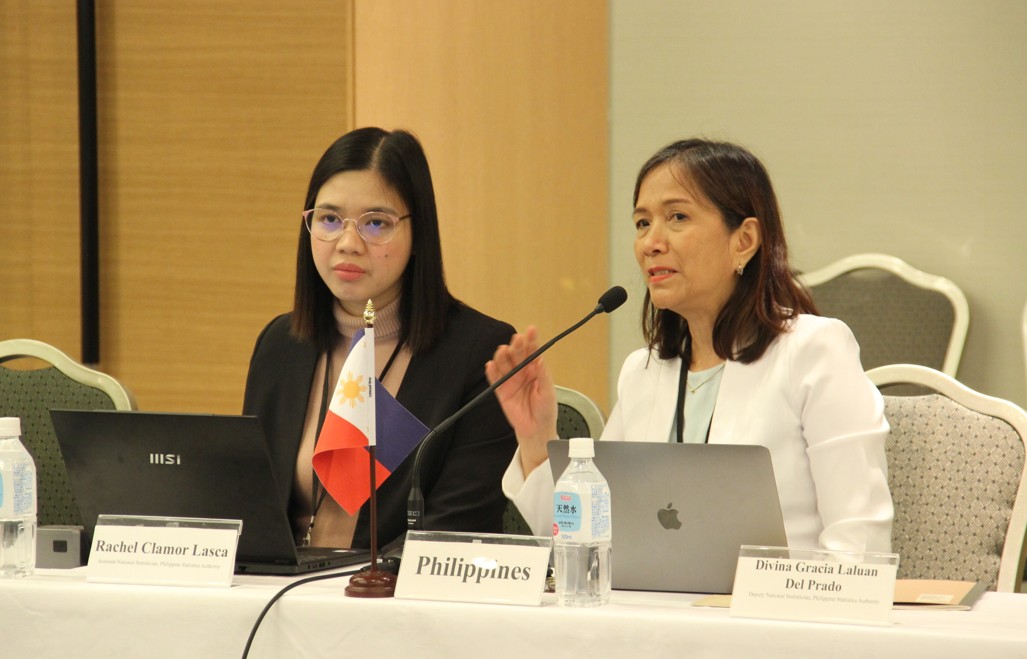
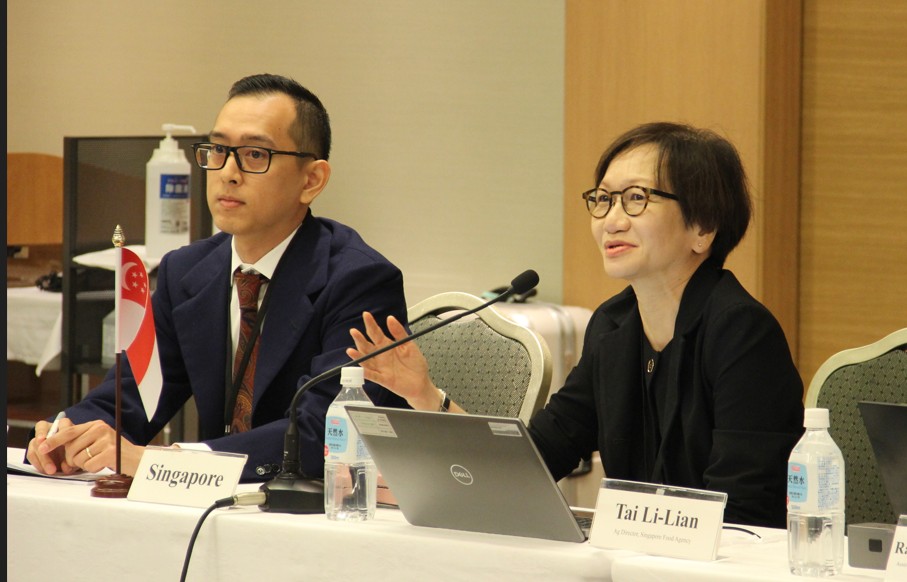
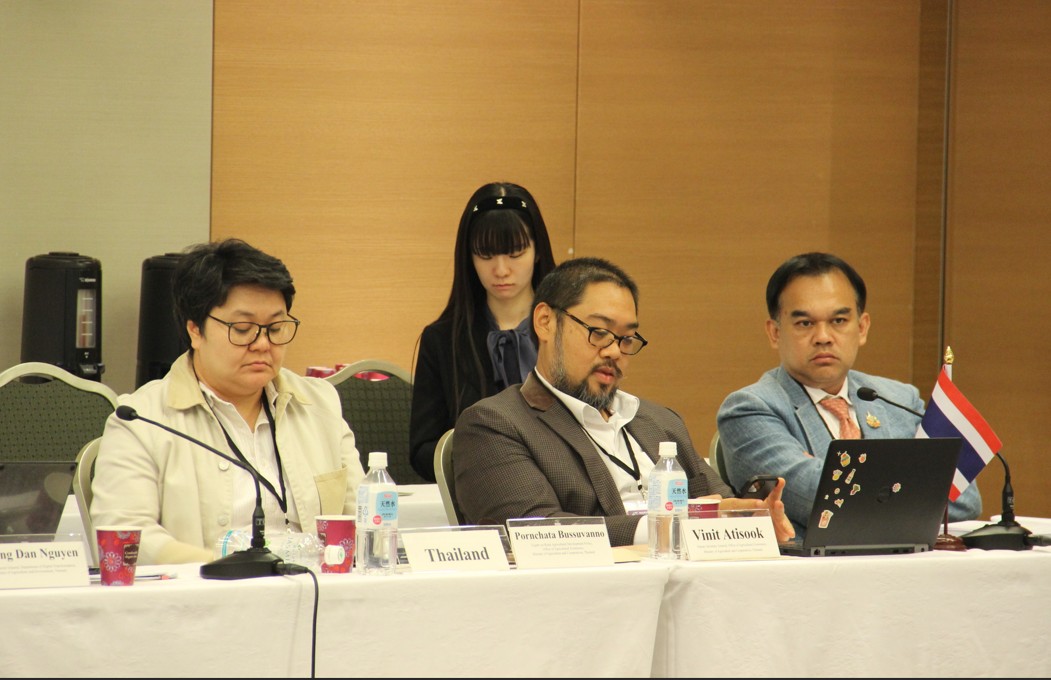
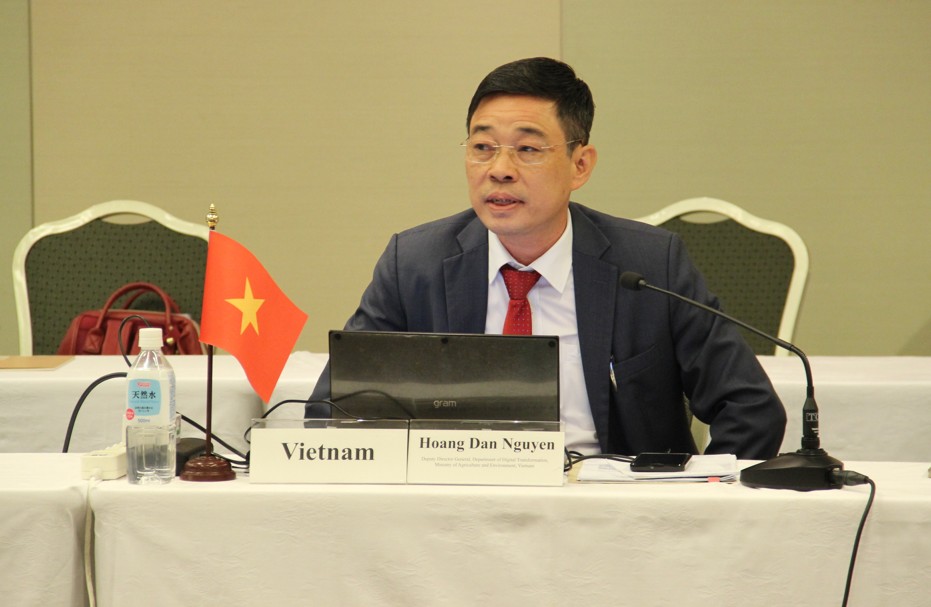
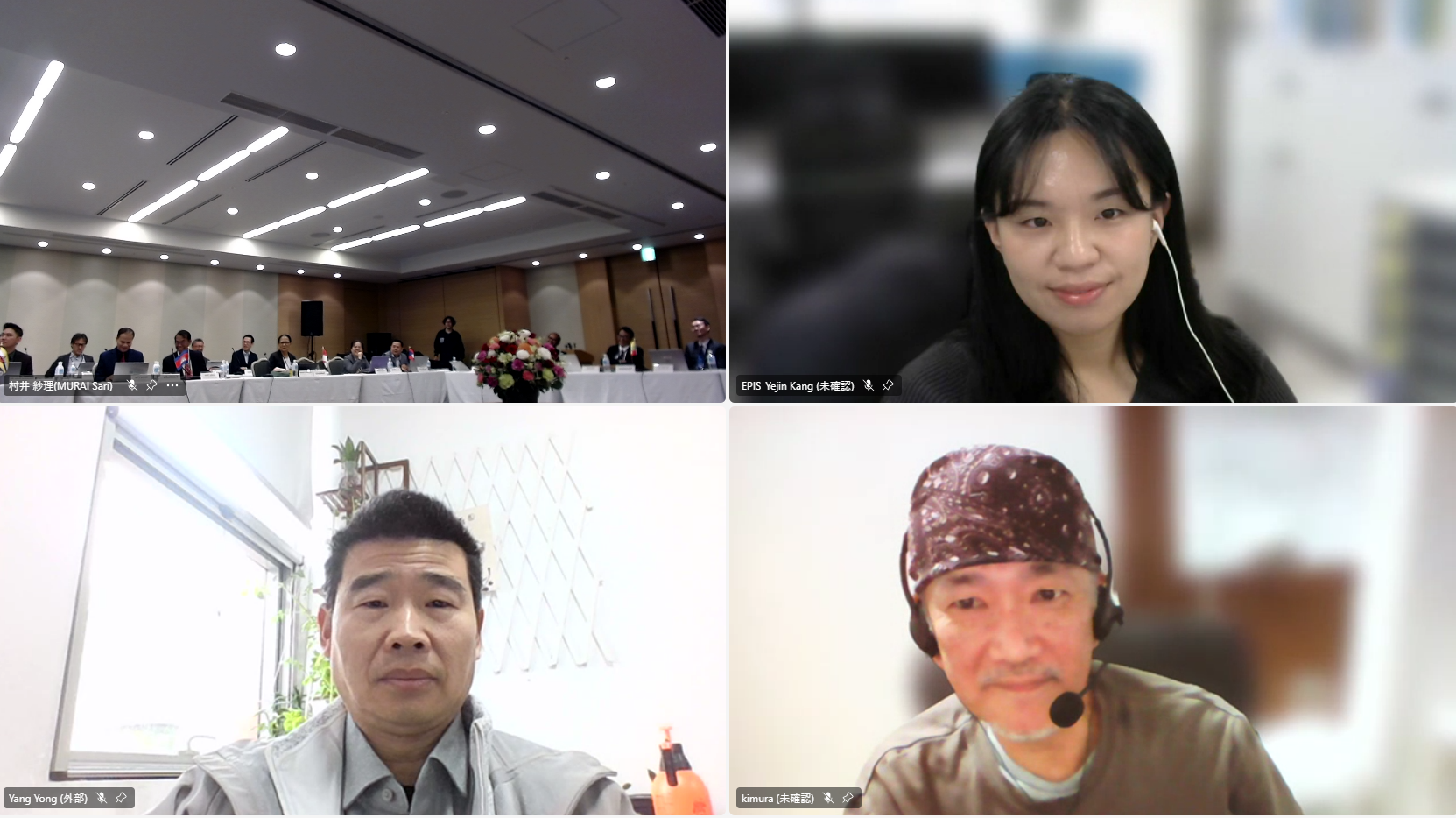
On 22–23 October 2025, the ASEAN Food Security Information System (AFSIS) Secretariat, in collaboration with the Ministry of Agriculture, Forestry and Fisheries (MAFF) of Japan, successfully convened The AFSIS Special Workshop in Tokyo, Japan.
The meeting includes the representatives from the 10 ASEAN Member States and the Plus Three countries People’s Republic of China, Republic of Korea, and Japan participated in the Workshop. In addition, representatives from relevant organizations such as Food and Agriculture Organization of the United Nations(FAO) the Remote Sensing Technology Center of Japan (RESTEC) and the Japan Aerospace Exploration Agency (JAXA) also attended the event.
The main objectives of the Workshop were to present the achievements of the Strengthening ASEAN Food Security Information System Function for Emergency (SAFER) Project, introduce the implementation plan of the AFSIS-GIS Project (2025–2028) supported by MAFF Japan, and discuss strategies to strengthen AFSIS’s operational and financial sustainability. The Workshop also served as a platform for participants to deliberate on possible future cooperation frameworks and approaches to enhance AFSIS’s long-term stability.
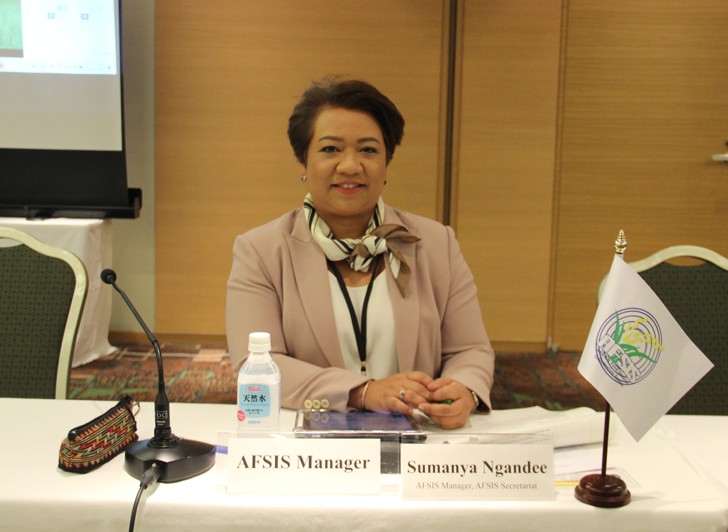
On this occasion, Dr. Sumanya Ngandee, AFSIS Manager, delivered the welcome remarks and presented the recent progress of AFSIS activities, the 2025 work plan, and the proposed directions to ensure the organization’s sustainability in the future.
Furthermore, the Workshop provided an opportunity for representatives from ASEAN and Plus Three countries to exchange views on the financial mechanisms and sustainability of AFSIS, considering the needs of each member country and potential approaches to broaden AFSIS’s funding base toward becoming a permanent mechanism.
The Workshop concluded with active participation and constructive discussions from all representatives. All participating countries expressed their shared recognition of the importance of AFSIS in strengthening regional food security and statistical cooperation. No country raised objections regarding the significance of AFSIS or the proposed directions for its short-term and long-term sustainability. It was emphasized that the sustainability of AFSIS involves not only financial aspects but also continuous technical collaboration, capacity building, and strong partnerships among ASEAN+3.

On 29 July 2026, the APEC Policy Partnership on Food Security (PPFS) successfully convened the APEC PPFS Webinar on Strategic Cooperation for Strengthening Food System Resilience via a virtual platform. The webinar was organized by the Ministry of Agriculture, Food and Rural Affairs (MAFRA) of the Republic of Korea as a self-funded PPFS project to promote strategic cooperation and knowledge exchange on strengthening food system resilience across APEC member economies.

The AFSIS Secretariat participated in the 10th International Conference on Agricultural Statistics (ICAS X), held from 8 to 10 July 2026 at the ICE Krakow Congress Centre in Krakow, Poland. Jointly organized by Statistics Poland, Eurostat, the United States Department of Agriculture (USDA), the World Bank Group, and the Food and Agriculture Organization of the United Nations (FAO).
.JPG)
On 24–25 June 2026, AFSIS Secretariat participated in the 46th Meeting of the ASEAN Food Security Reserve Board (AFSRB) via a virtual conference. The Meeting was jointly organized by the AFSRB Secretariat and the Department of Agriculture (DOA), Ministry of Agriculture, Livestock and Irrigation (MOALI) of the Republic of the Union of Myanmar, and was hosted in Nay Pyi Taw, Myanmar.

On 17–18 June 2026, the 24th AFSIS Focal Point Meeting was successfully convened via video conference, hosted by the Philippine Statistics Authority (PSA) in collaboration with the ASEAN Food Security Information System (AFSIS) Secretariat.

