
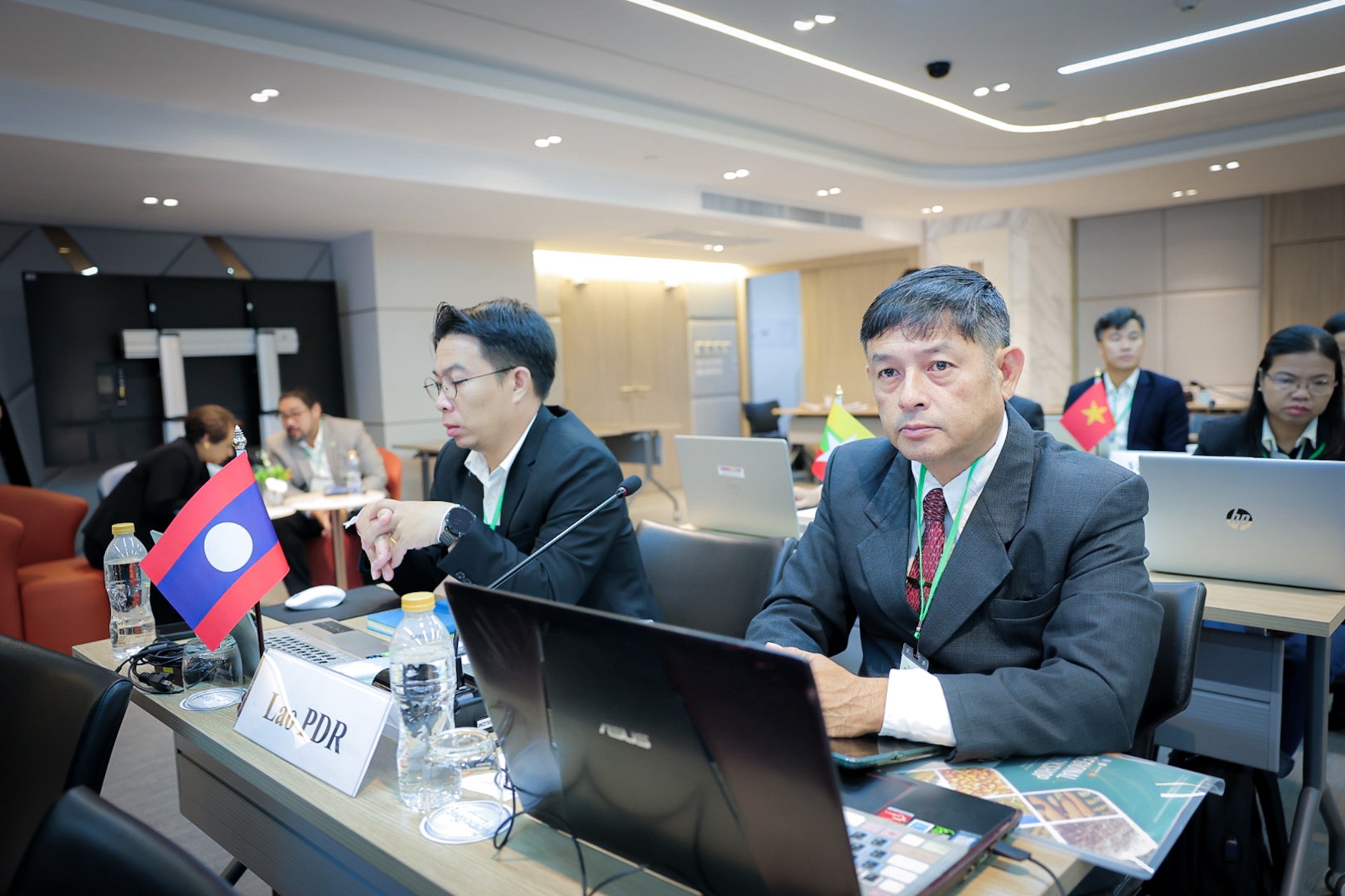
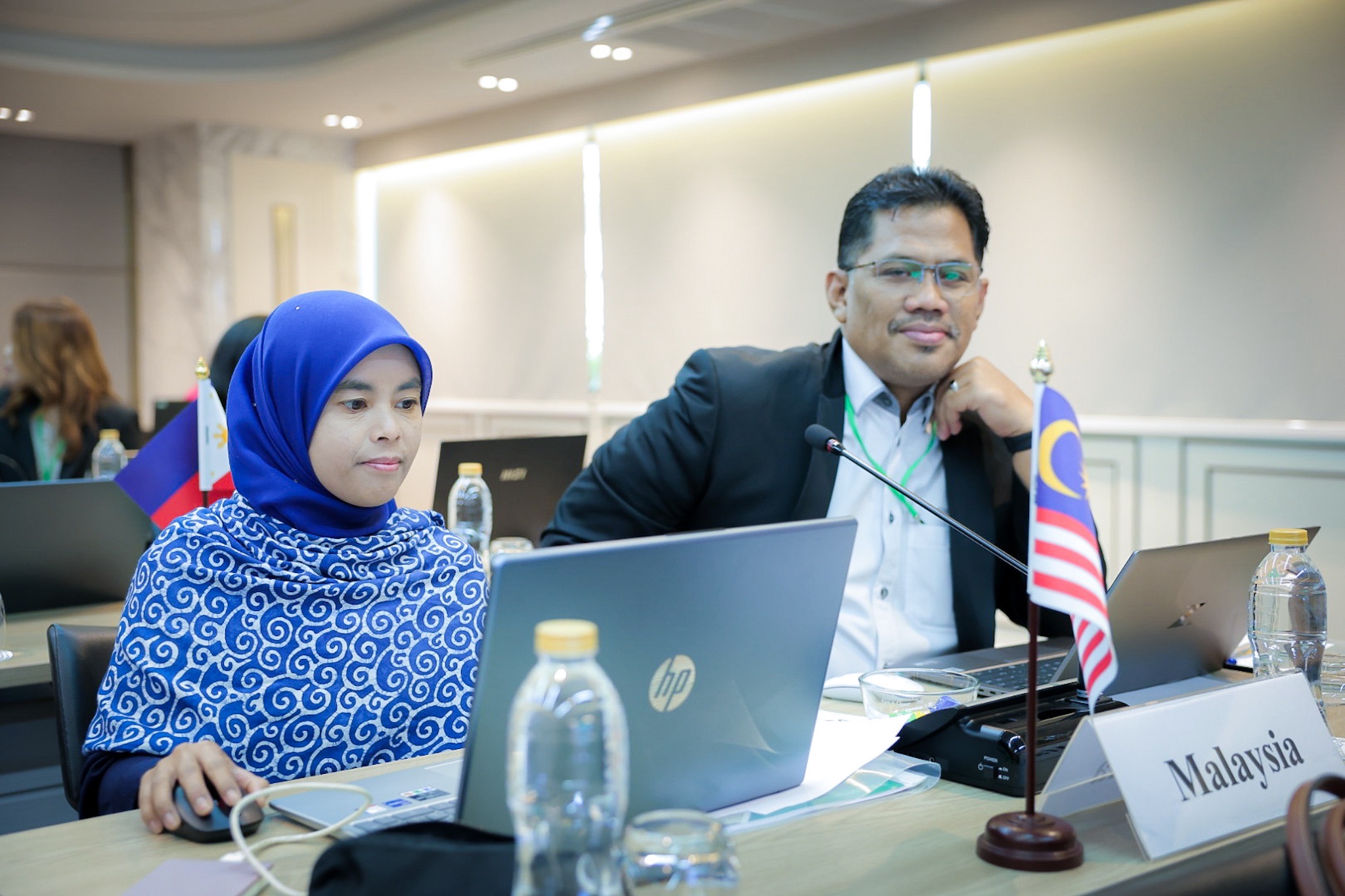
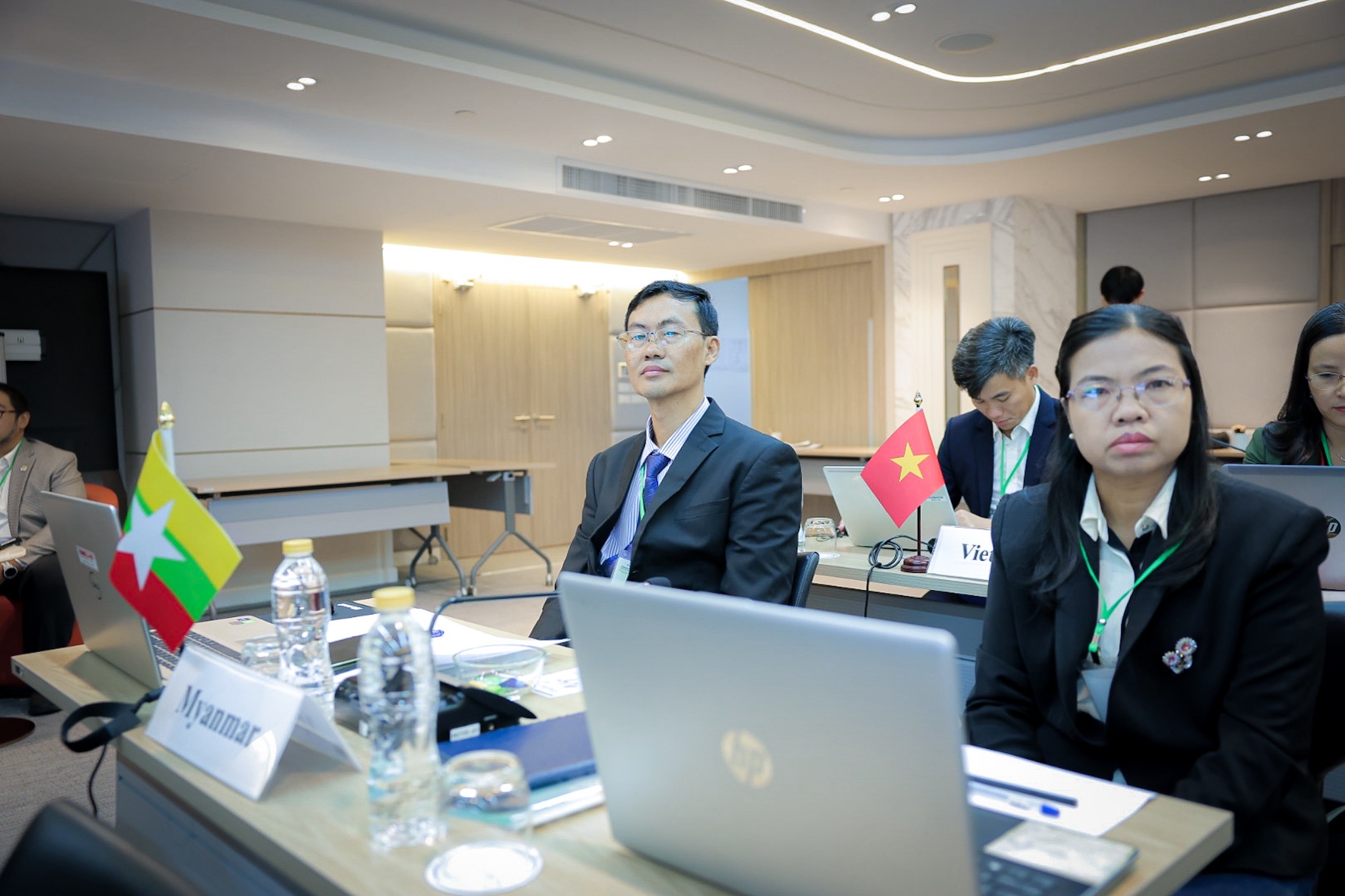
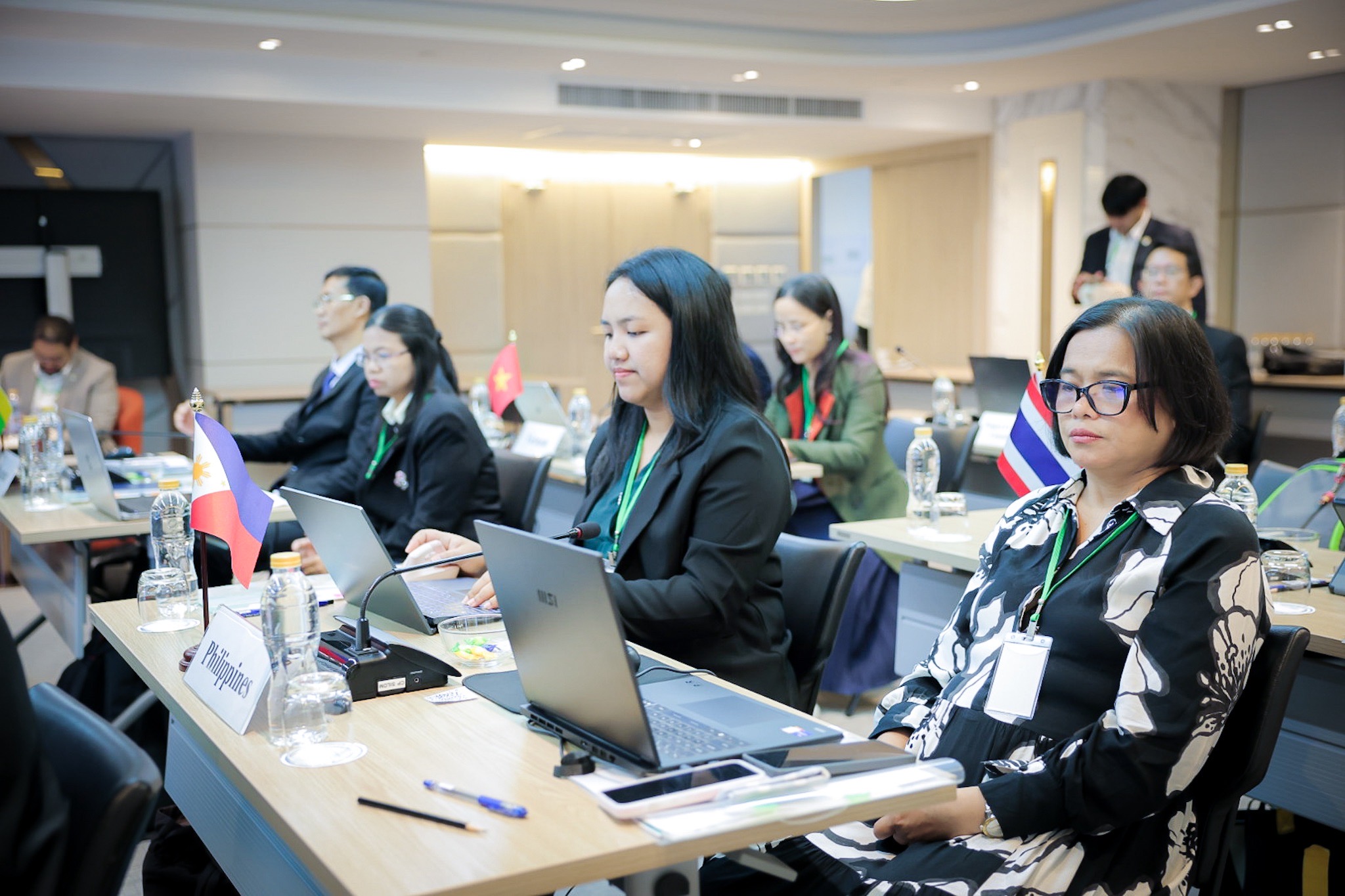
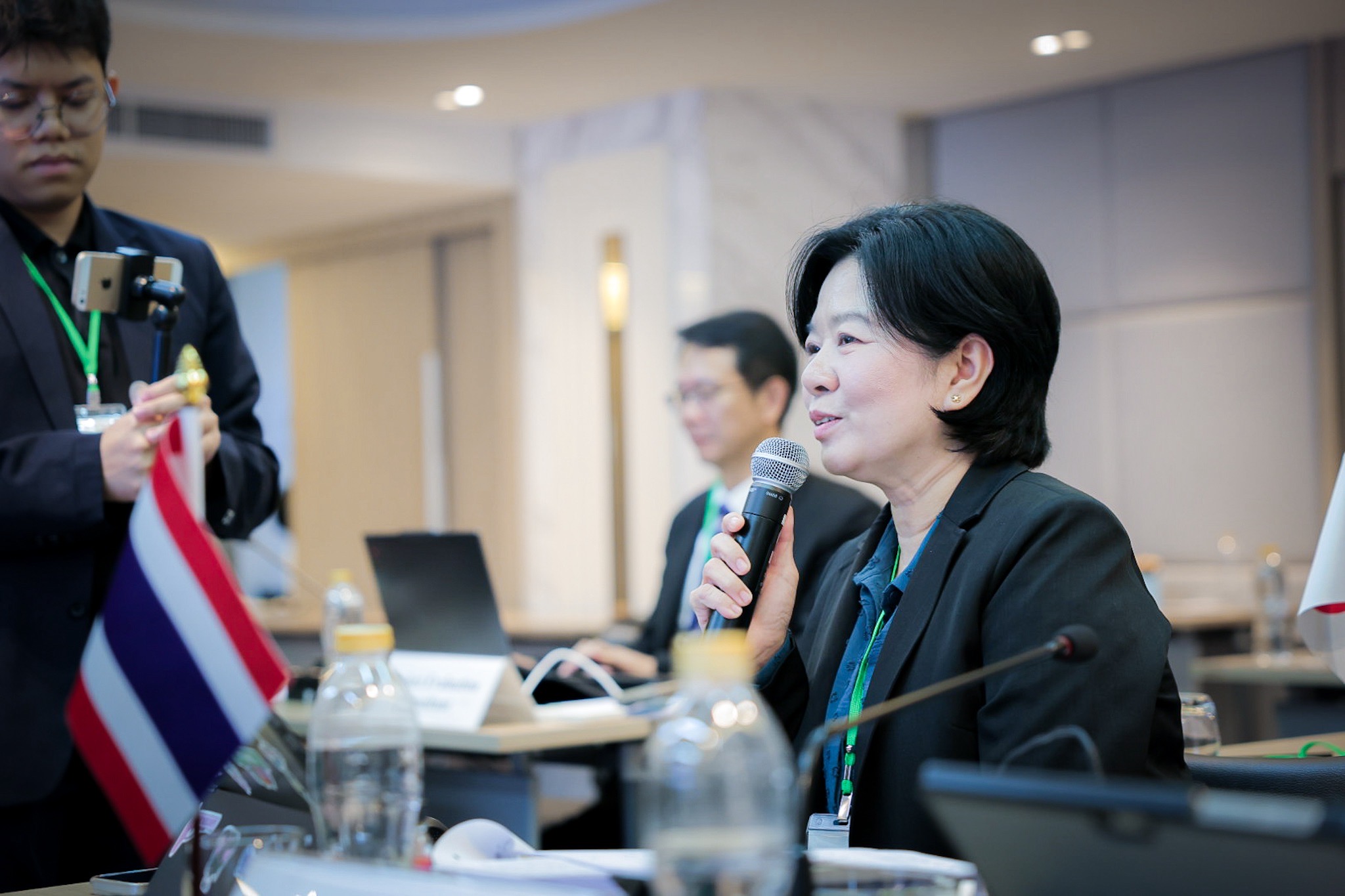
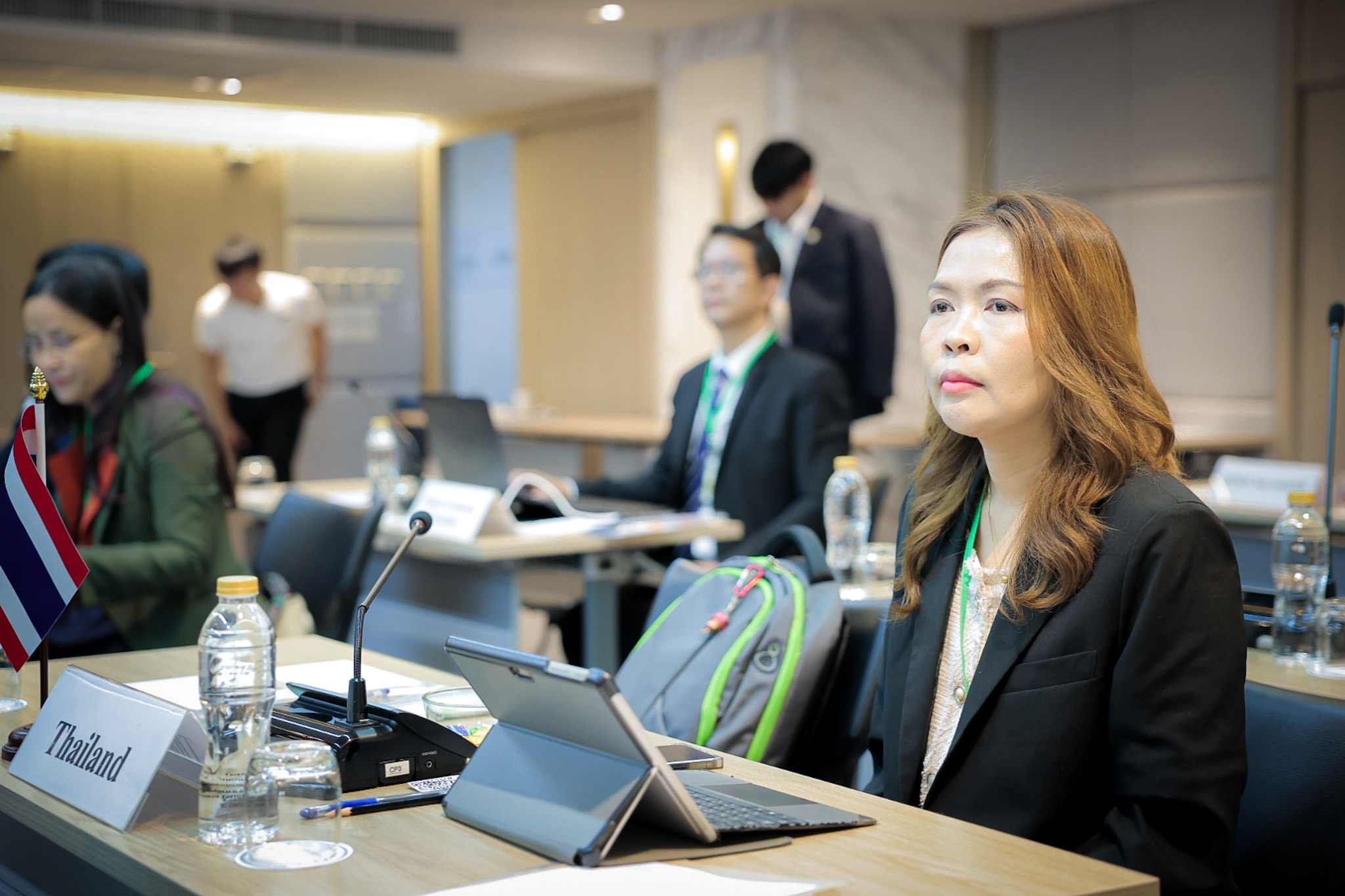
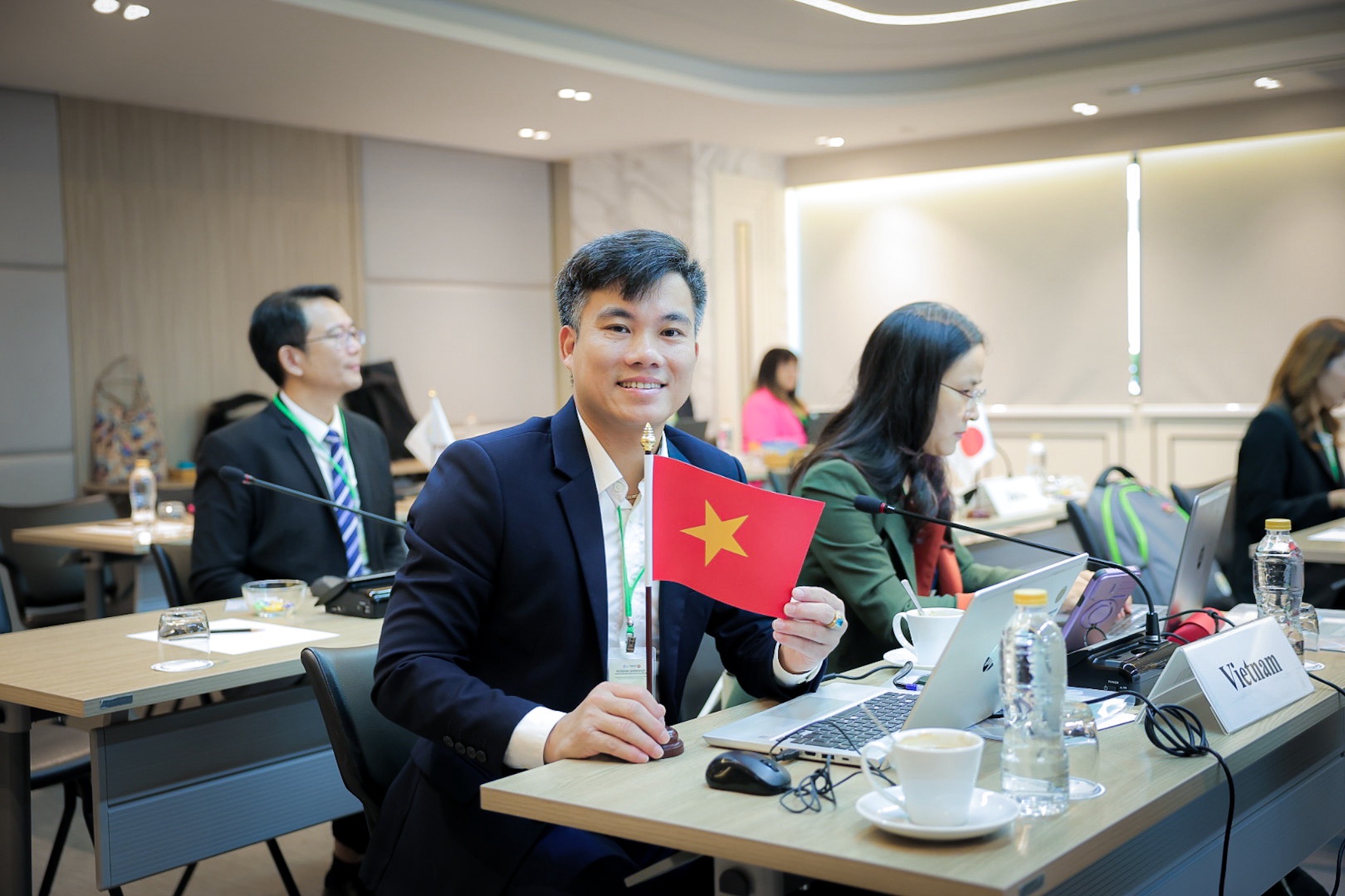
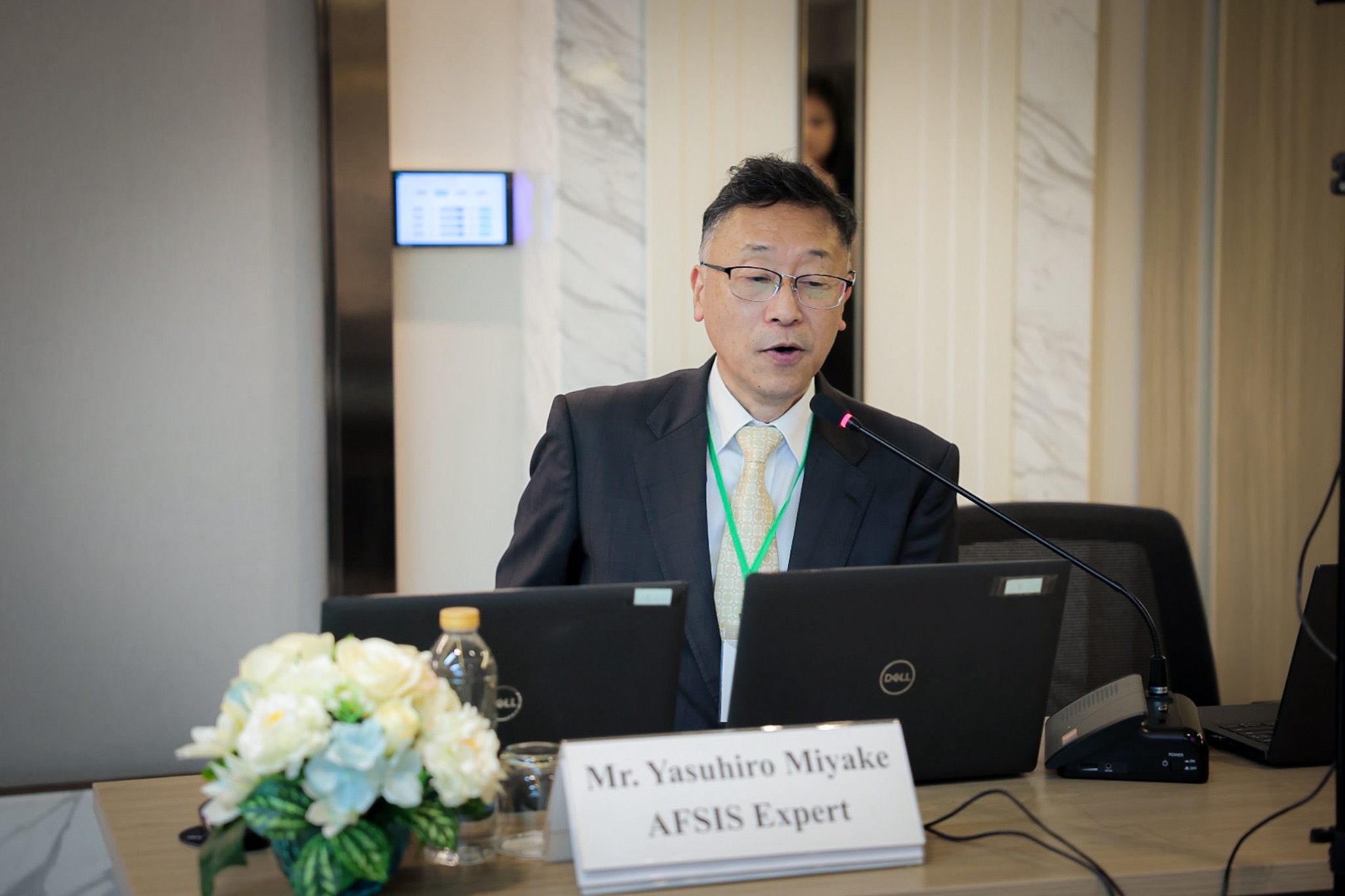
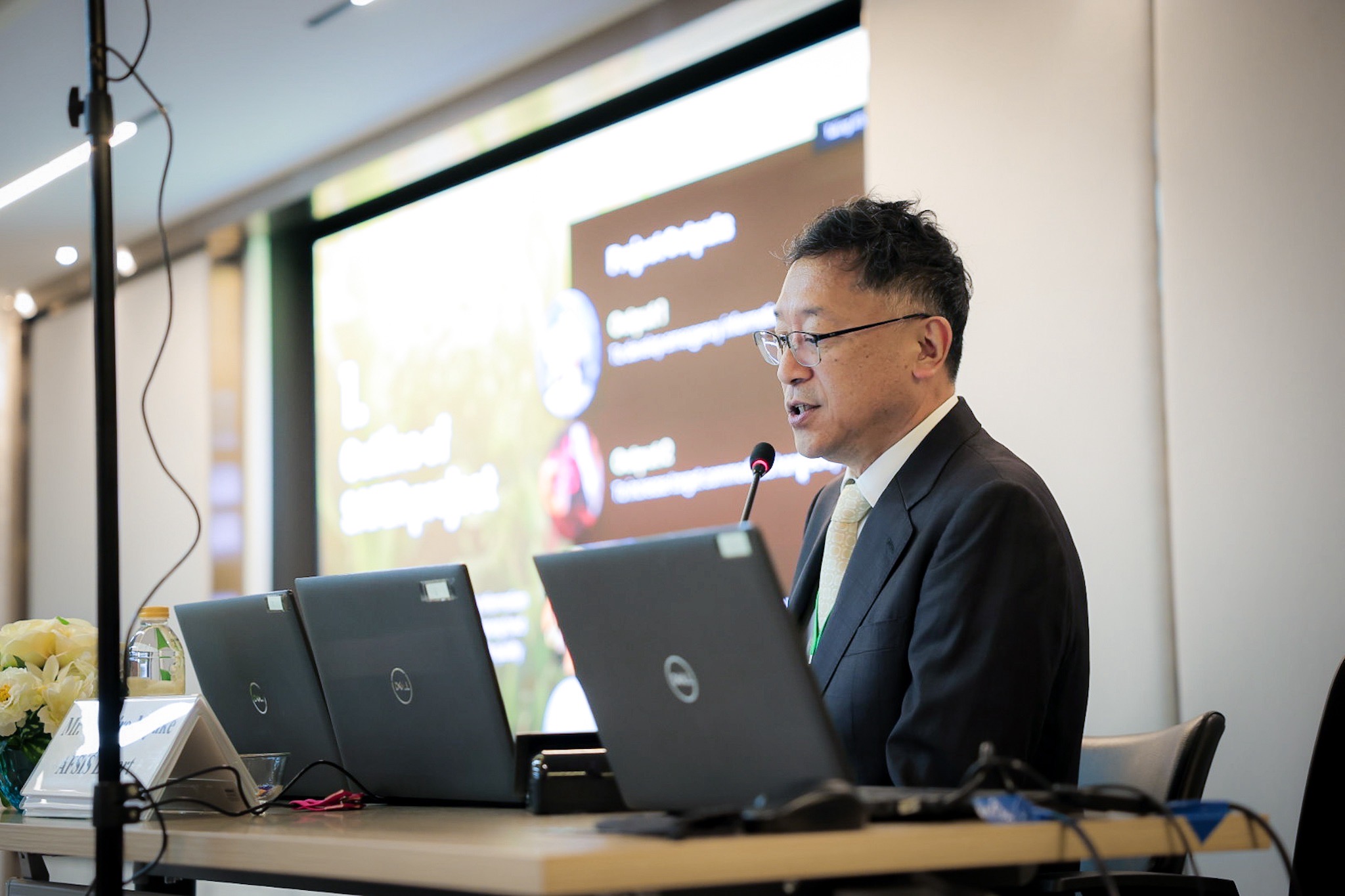
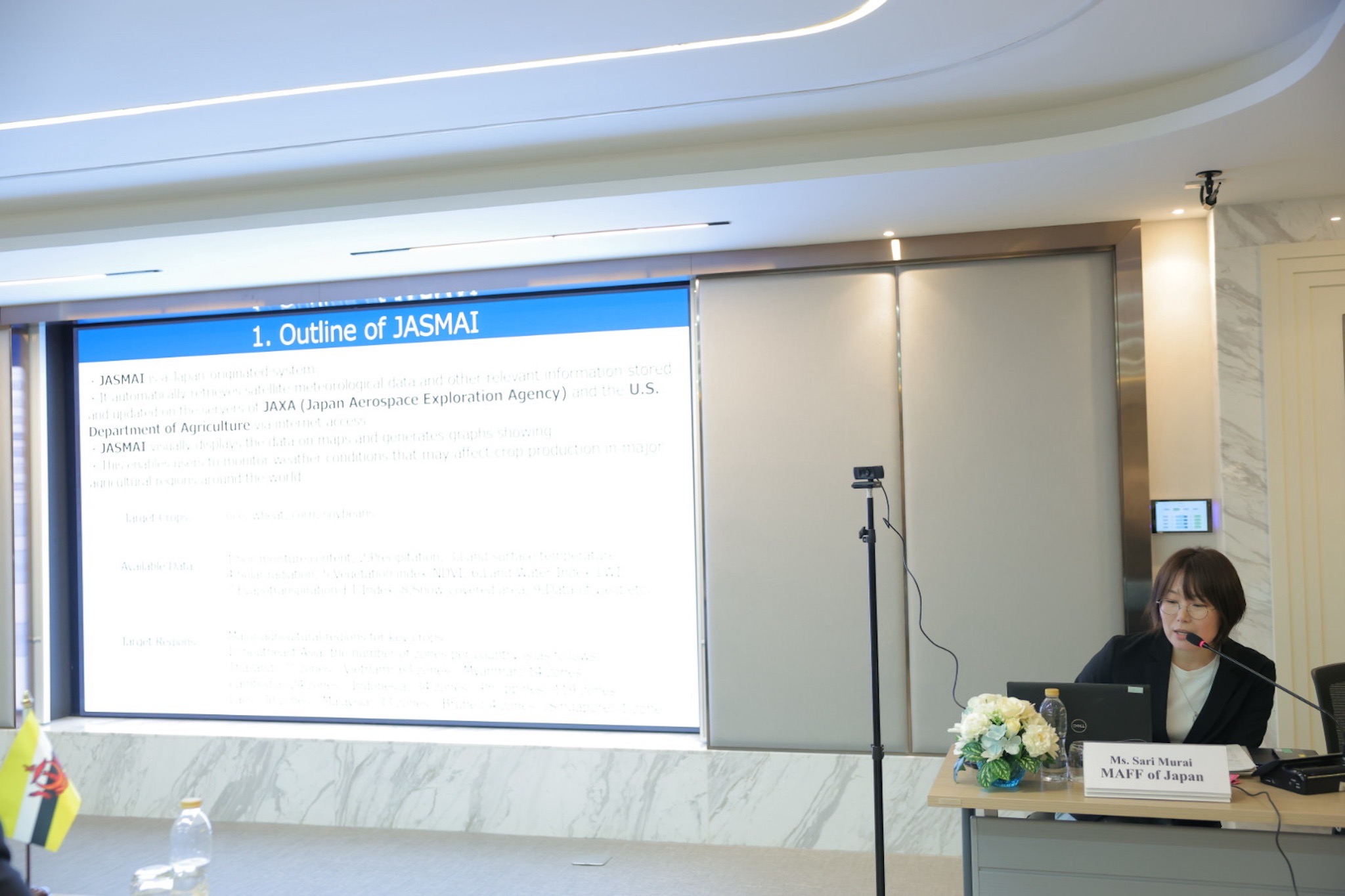
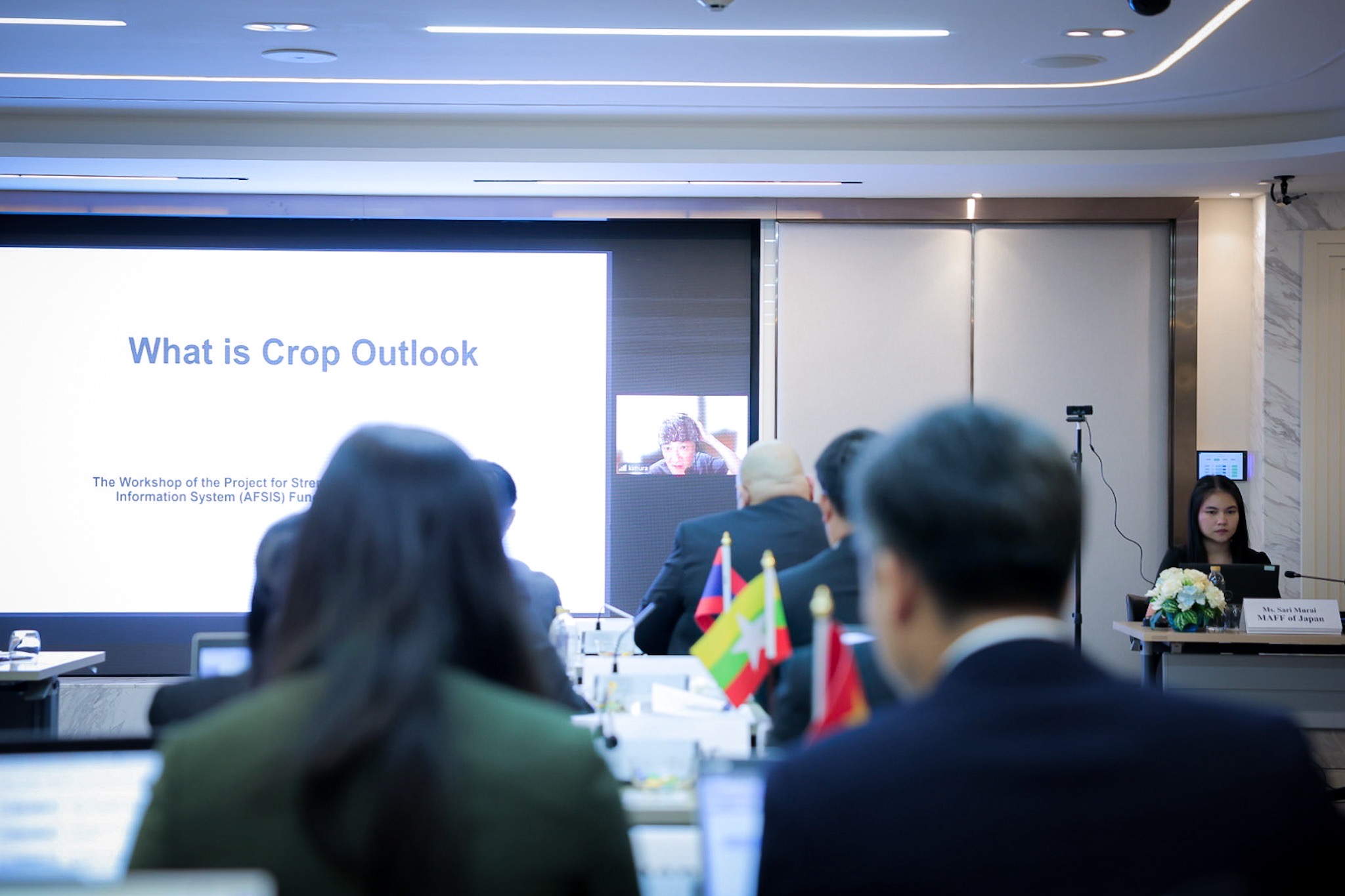
On 10-11 September 2025, the ASEAN Food Security Information System (AFSIS) Secretariat, with support from Japan’s Ministry of Agriculture, Forestry and Fisheries (MAFF), convened the Regional Workshop on Rice Growing Outlook and Maize Growing Outlook preparation Guideline under the Project for Strengthening ASEAN Food Security Information System Function for Emergency (SAFER project). The workshop was held at Centre Point Plus Hotel Silom, Bangkok, Thailand.
On this occasion, the meeting was welcomed by Dr. Sumanya Ngandee, AFSIS Manager, with a keynote address, and was honored by the presence of Mr. Vinit Atisook, Deputy Secretary General of the Office of Agricultural Economics (OAE), Ministry of Agriculture and Cooperatives (MOAC), Thailand, and Ms. Sari Murai, Section Chief of the Statistics Planning Division, Statistics Department, MAFF, Japan, who delivered the opening remarks.
A total of 30 participants from ASEAN Plus Three countries attended the workshop, focusing on enhancing the capacity of officers in preparing the RGO and MGO reports. The objectives were to:
These efforts represent not only technical improvements but also a significant step toward strengthening an integrated food security information system to meet the evolving needs of the ASEAN region.
The workshop concluded successfully, with participants expressing their appreciation to the AFSIS Secretariat and the MAFF of Japan for their excellent workshop and continued support in enhancing regional food security information systems.
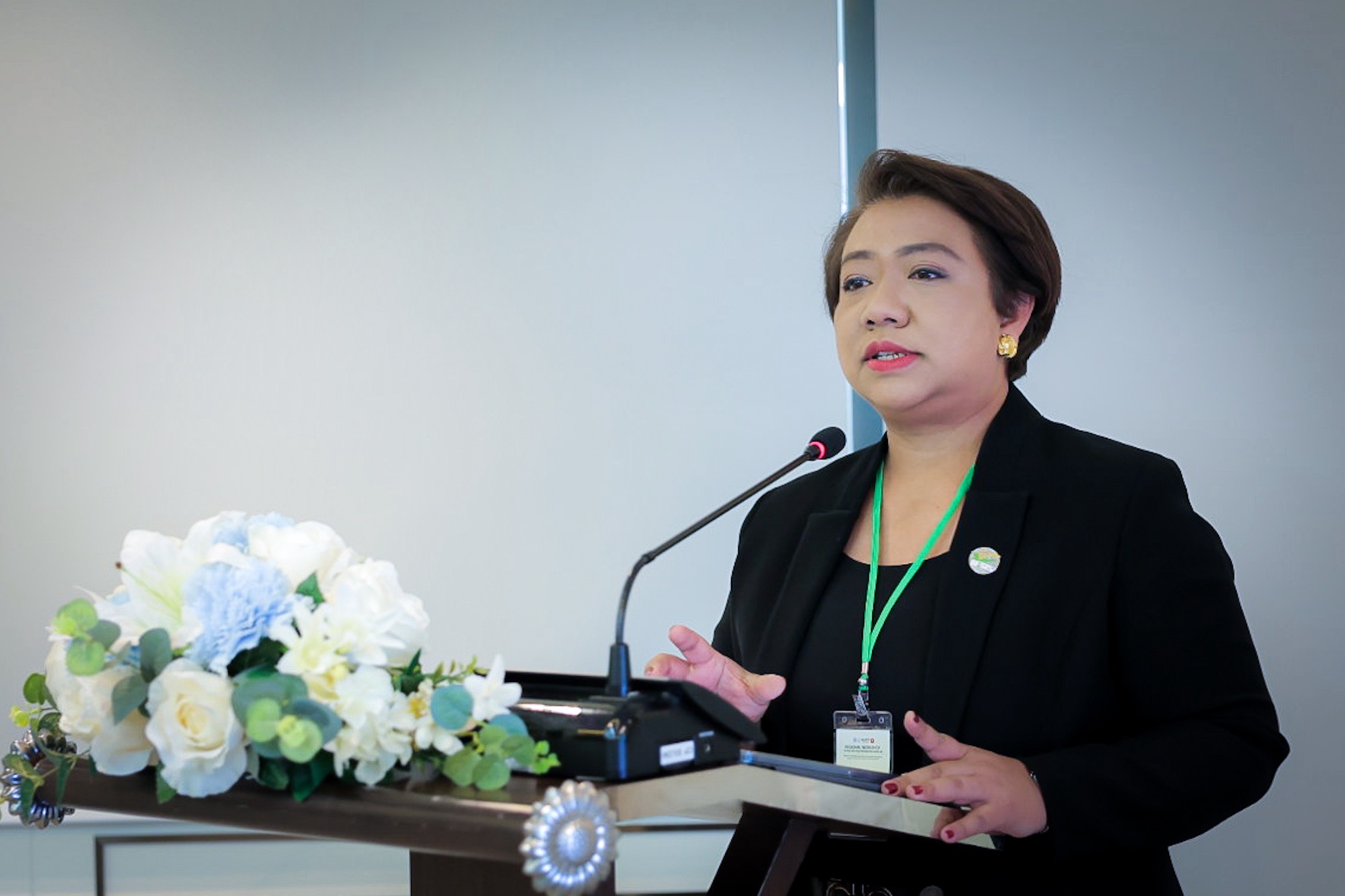
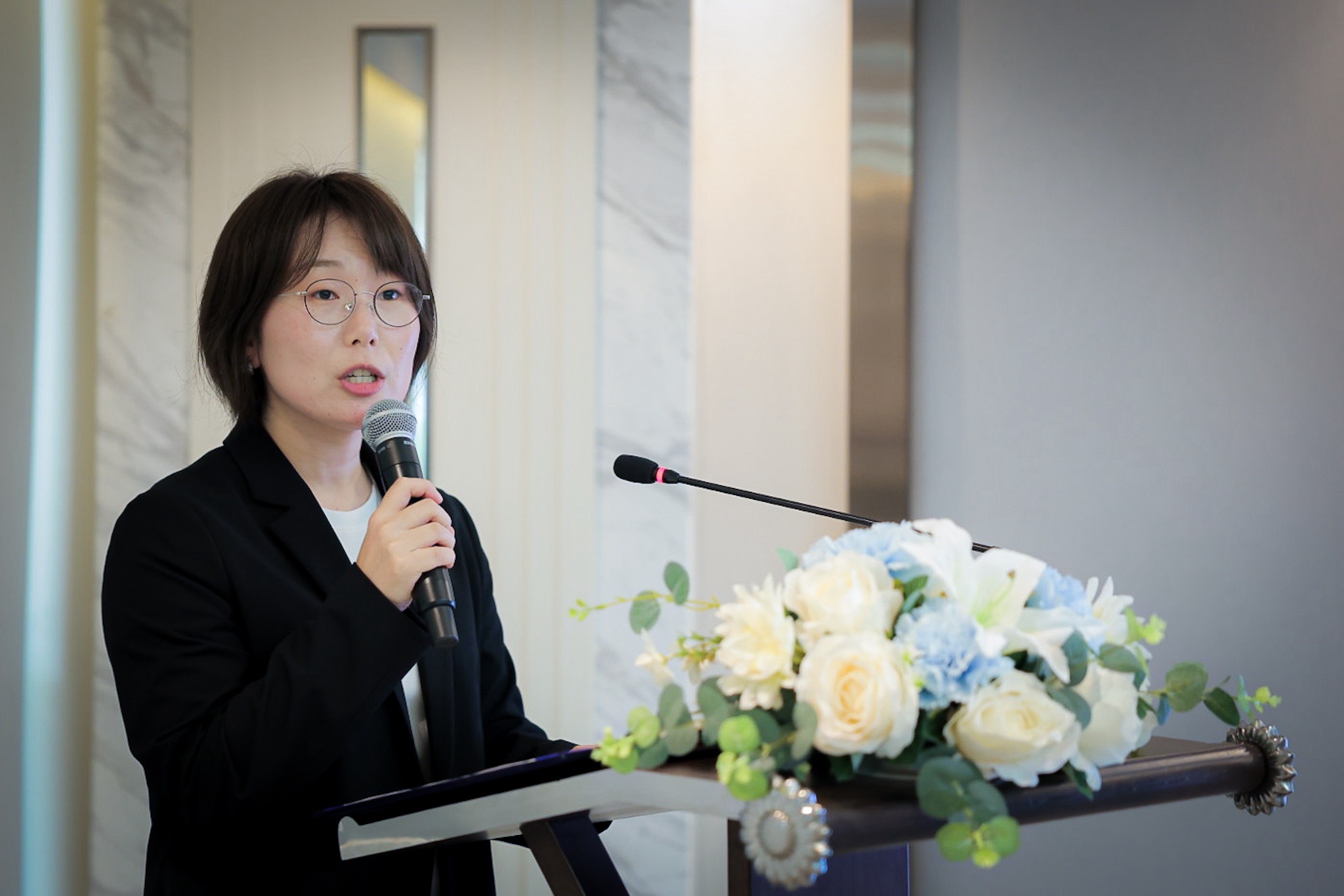

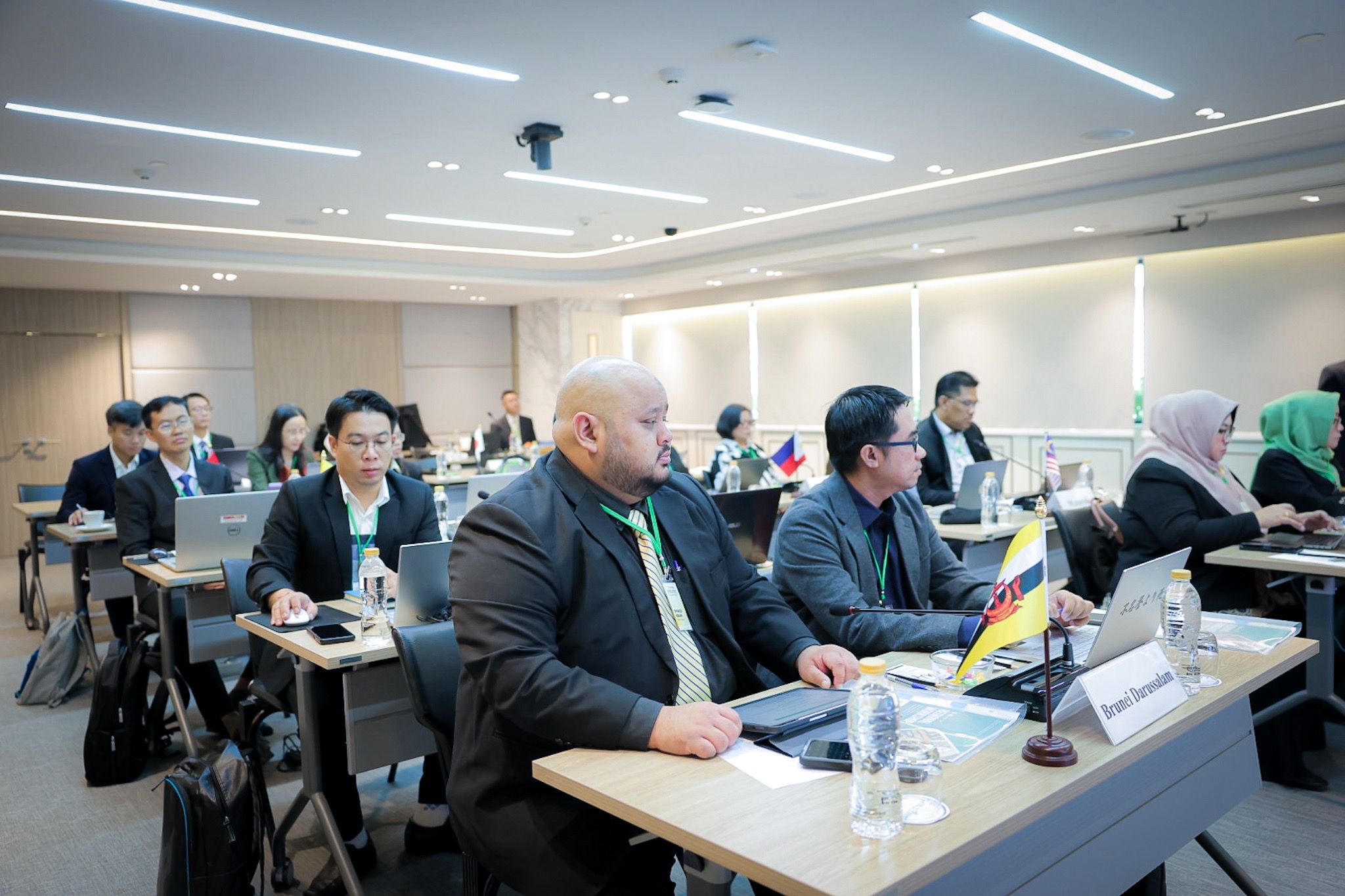
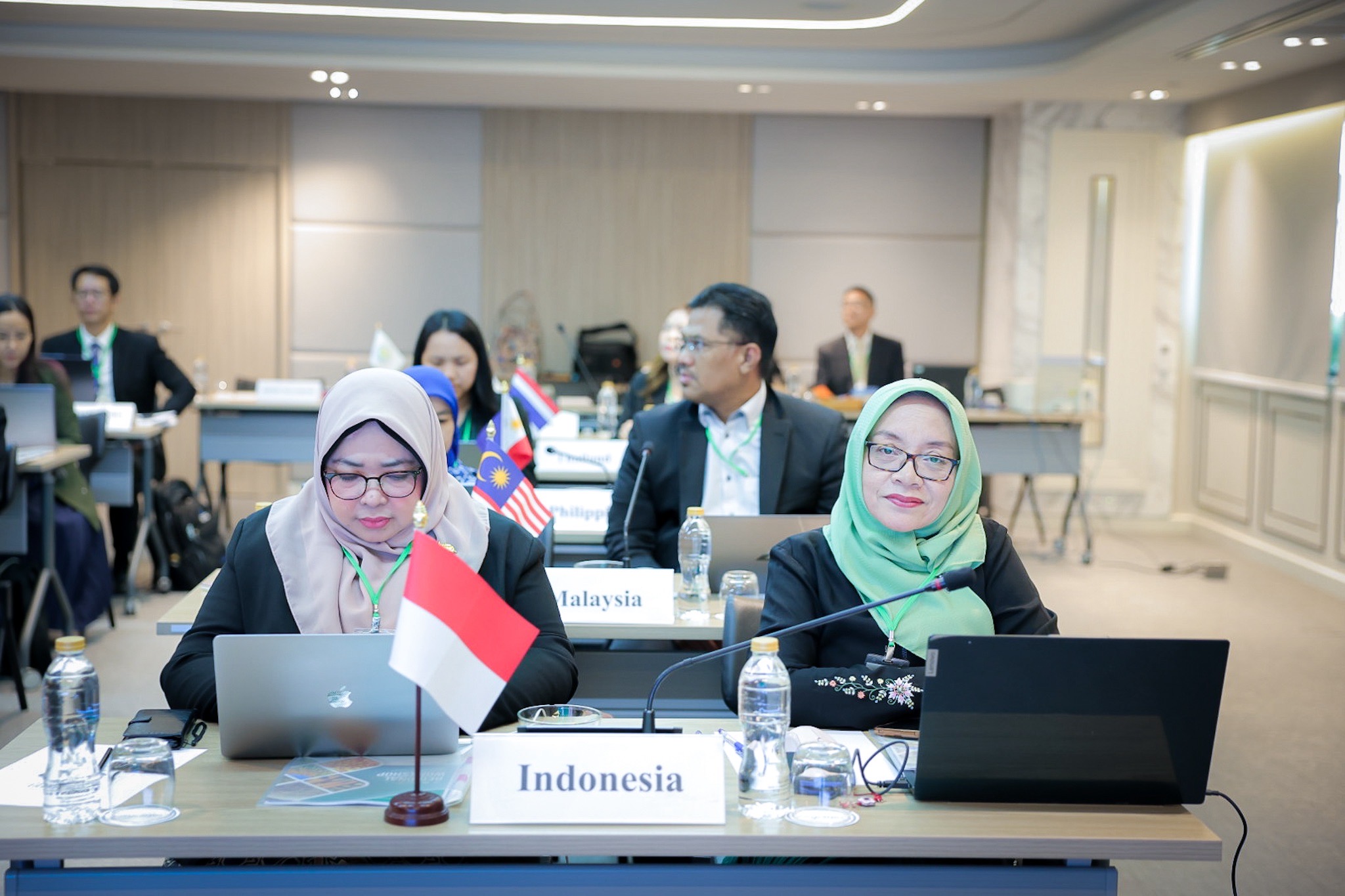

On 29 July 2026, the APEC Policy Partnership on Food Security (PPFS) successfully convened the APEC PPFS Webinar on Strategic Cooperation for Strengthening Food System Resilience via a virtual platform. The webinar was organized by the Ministry of Agriculture, Food and Rural Affairs (MAFRA) of the Republic of Korea as a self-funded PPFS project to promote strategic cooperation and knowledge exchange on strengthening food system resilience across APEC member economies.

The AFSIS Secretariat participated in the 10th International Conference on Agricultural Statistics (ICAS X), held from 8 to 10 July 2026 at the ICE Krakow Congress Centre in Krakow, Poland. Jointly organized by Statistics Poland, Eurostat, the United States Department of Agriculture (USDA), the World Bank Group, and the Food and Agriculture Organization of the United Nations (FAO).
.JPG)
On 24–25 June 2026, AFSIS Secretariat participated in the 46th Meeting of the ASEAN Food Security Reserve Board (AFSRB) via a virtual conference. The Meeting was jointly organized by the AFSRB Secretariat and the Department of Agriculture (DOA), Ministry of Agriculture, Livestock and Irrigation (MOALI) of the Republic of the Union of Myanmar, and was hosted in Nay Pyi Taw, Myanmar.

On 17–18 June 2026, the 24th AFSIS Focal Point Meeting was successfully convened via video conference, hosted by the Philippine Statistics Authority (PSA) in collaboration with the ASEAN Food Security Information System (AFSIS) Secretariat.

