
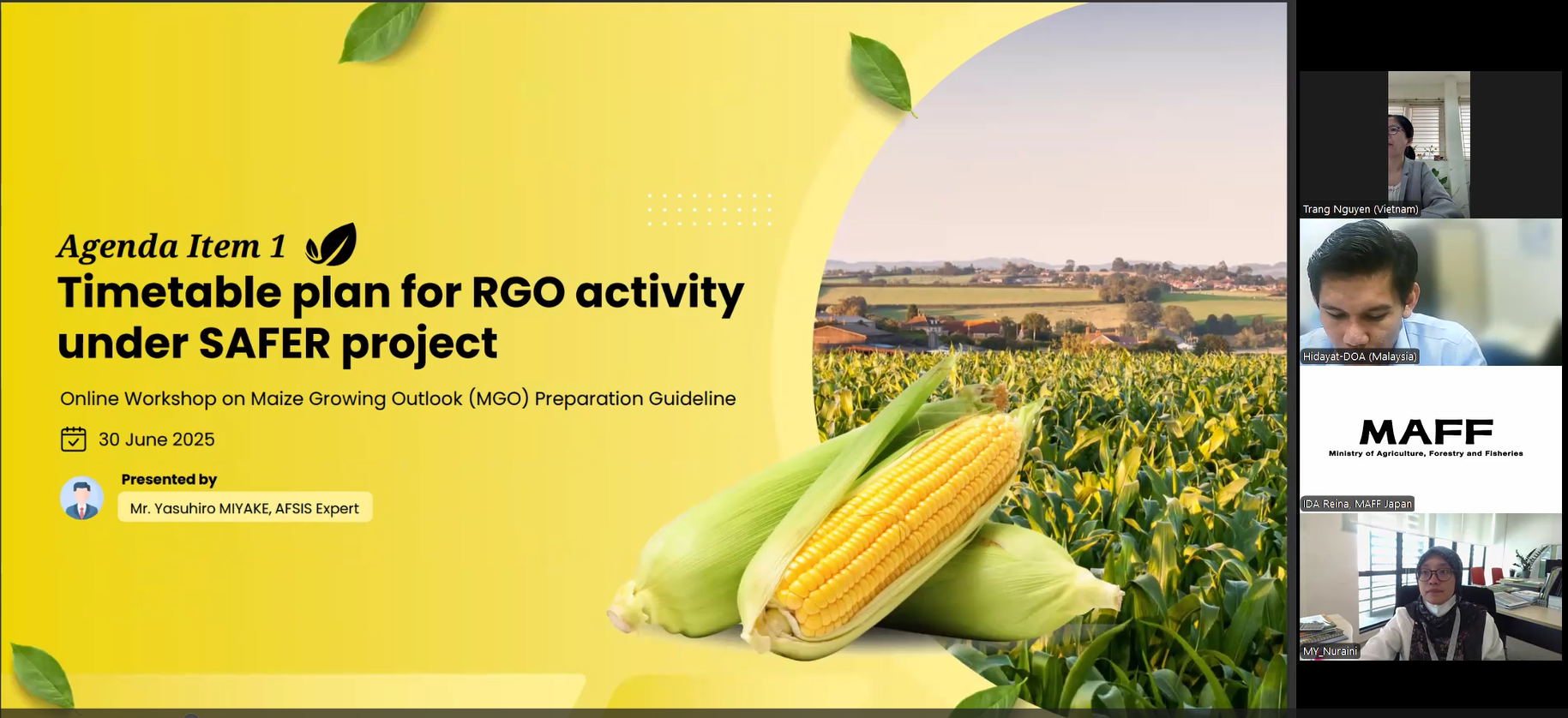
On 30 June 2025, the ASEAN Food Security Information System (AFSIS) Secretariat, in collaboration with the Ministry of Agriculture, Forestry and Fisheries of Japan (MAFF-Japan), successfully organized the Online Workshop on the Maize Growing Outlook (MGO) Preparation Guideline under the Project for Strengthening ASEAN Food Security Information System Function for Emergency (SAFER) via Zoom Meeting.
The workshop was officially opened with welcoming remarks from Dr. Sumanya Ngandee, AFSIS Manager, who emphasized the importance of enhancing regional collaboration and capacity building in the Growing Outlook Reports.
A total of 35 participants from ASEAN Plus Three Countries joined the session, including representatives directly involved in the development of the Growing Outlook Reports.
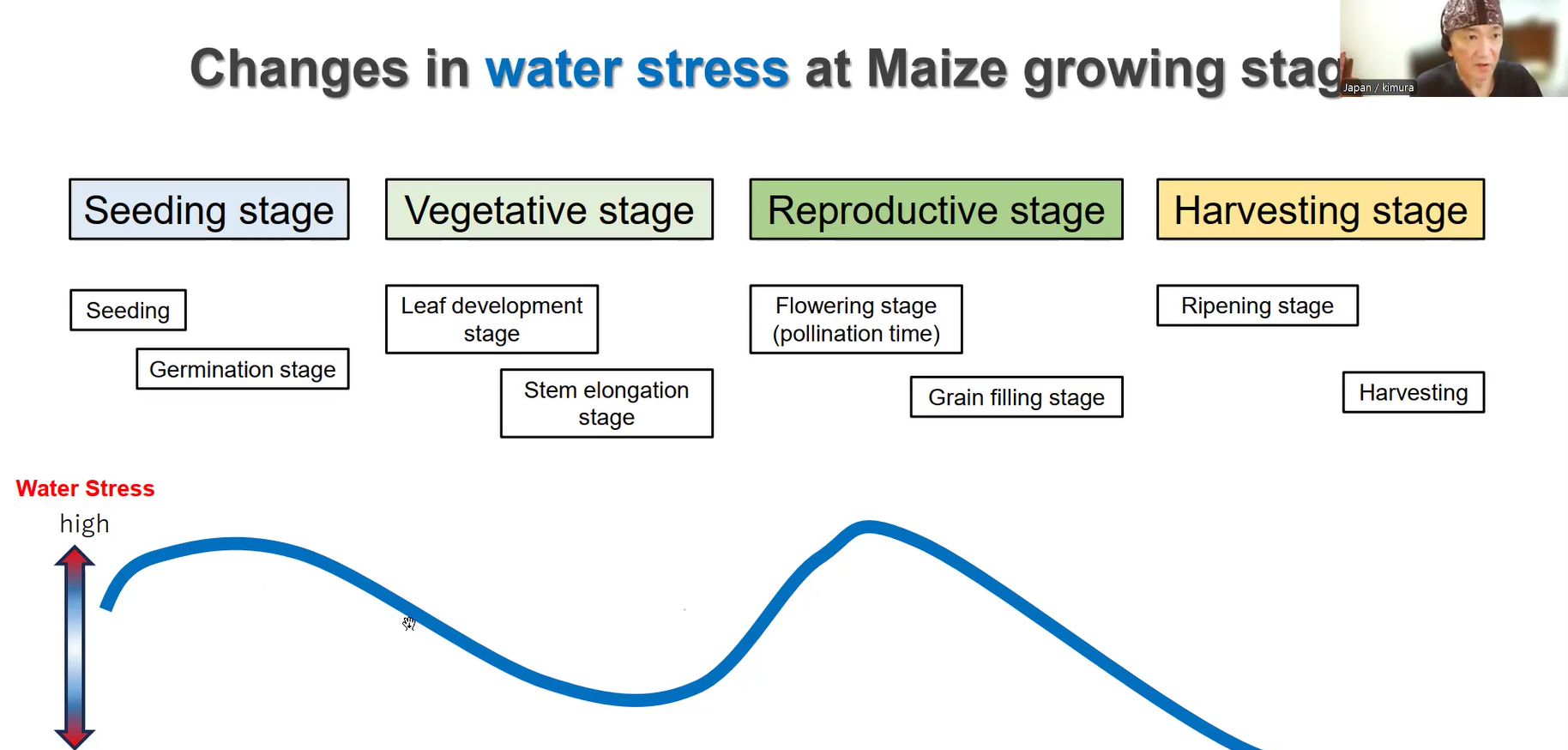
This interactive workshop aimed to strengthen the participants’ understanding of the key components and recommended steps in preparing the MGO report. Topics included Maize basic crop science and MGO definition, Relationship between maize growth and weather conditions, Crop situation index of maizeand example of MGO writing structure
The event also served as a vital preparatory step for the upcoming on-the-job training (OJT) activities scheduled between July and September 2025, which will further support the development of national outlooks across the region.
The workshop concluded successfully and is expected to contribute significantly to enhancing food security information systems in the region.
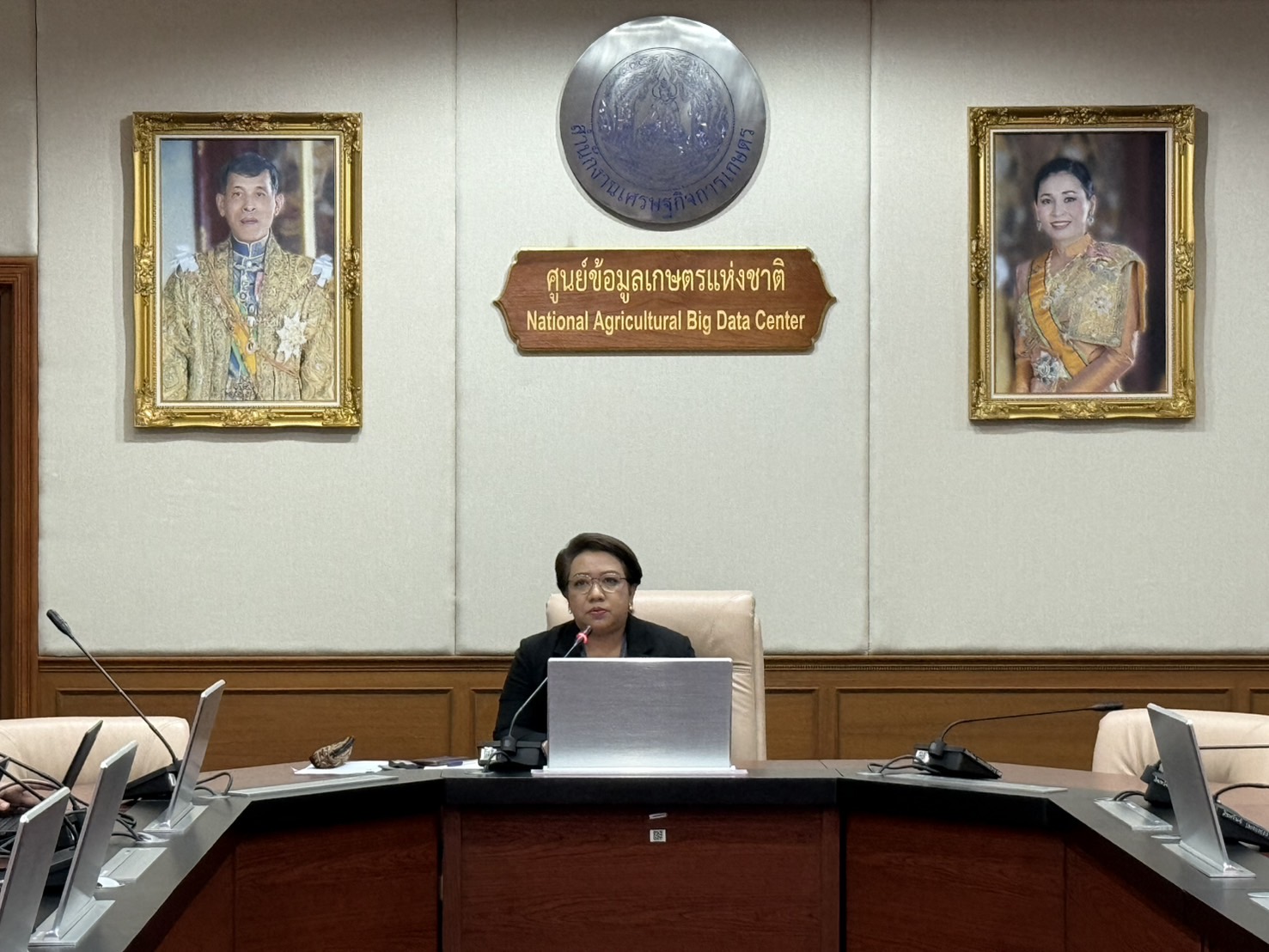
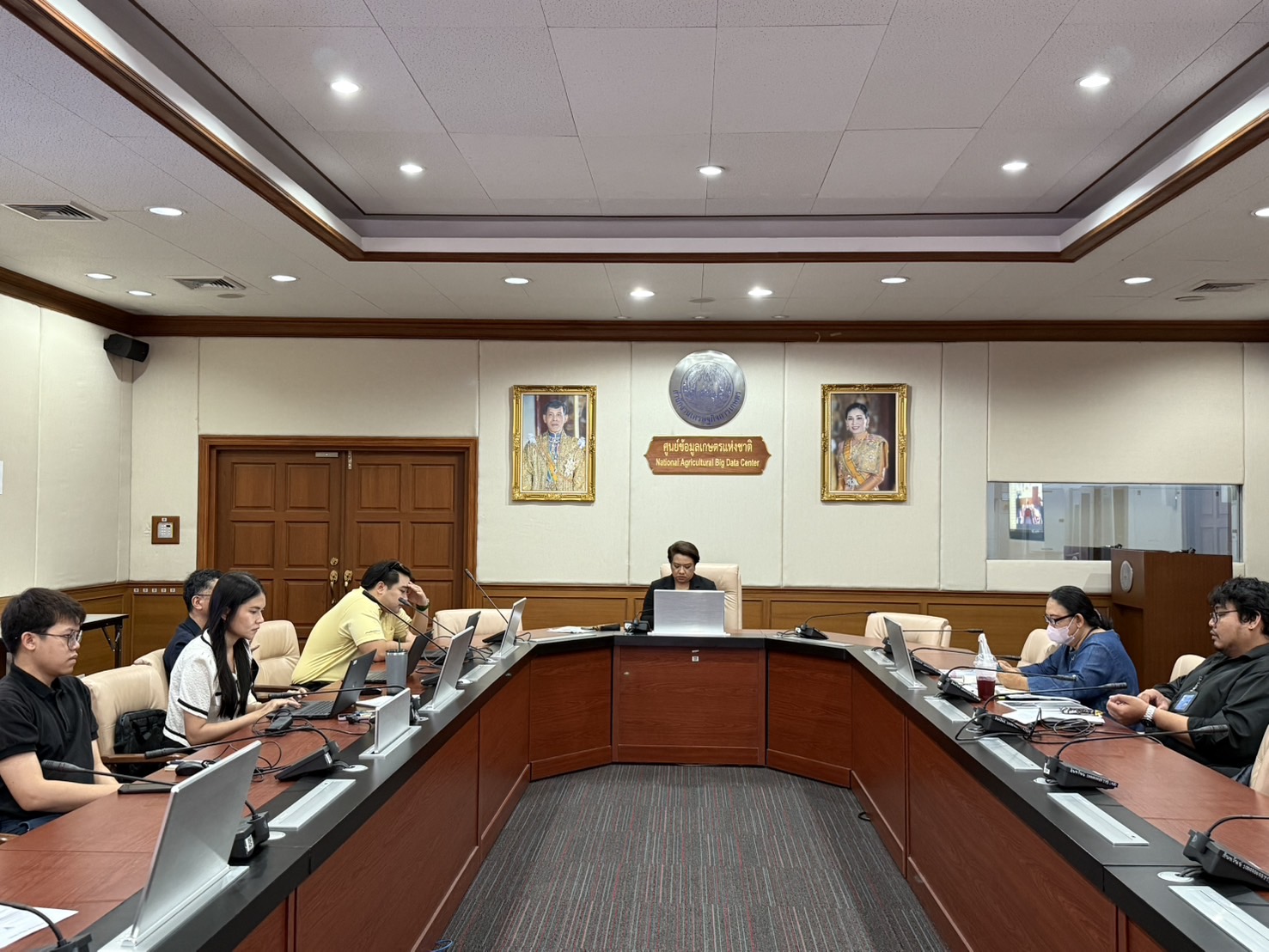
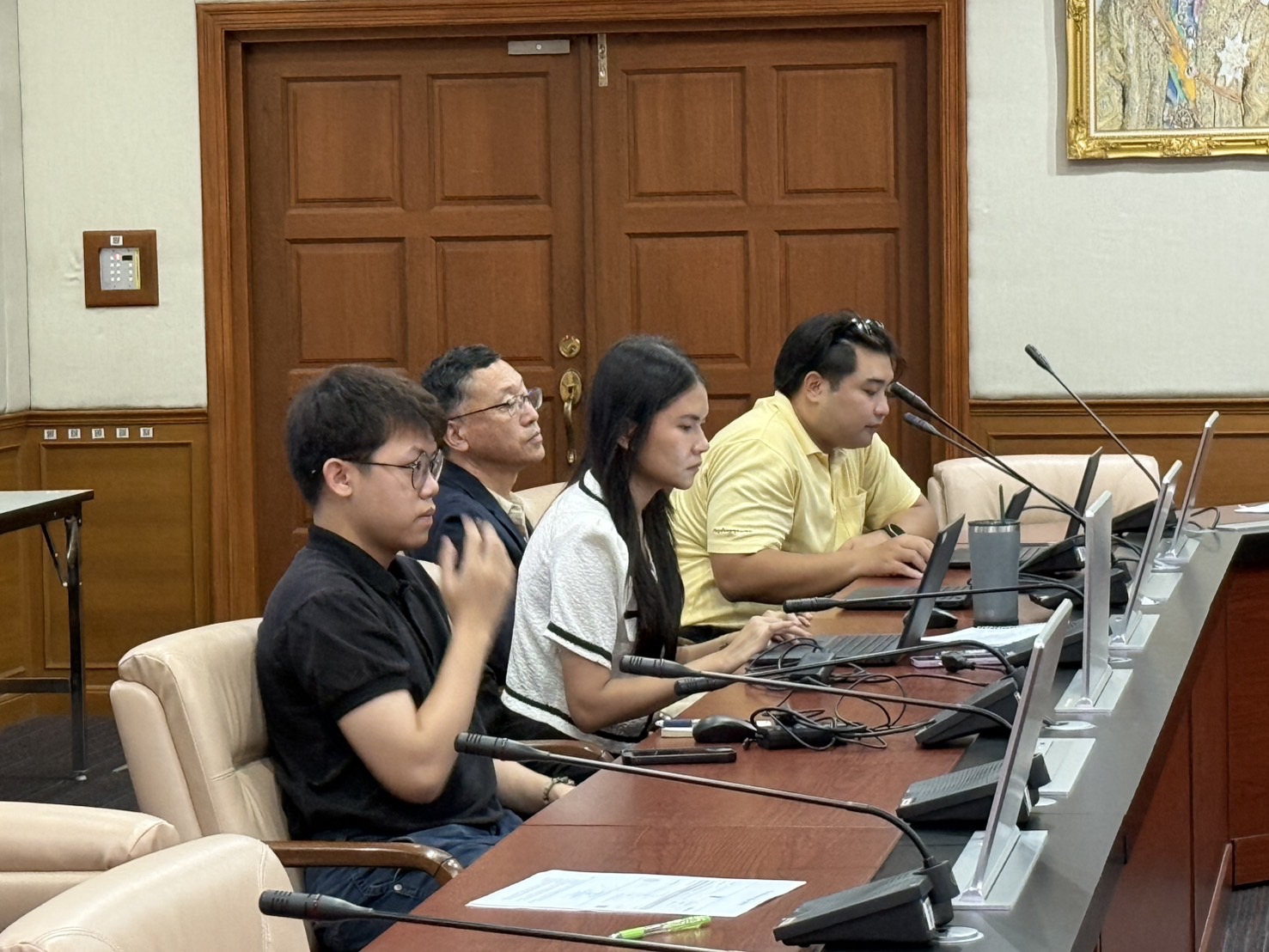


On 29 July 2026, the APEC Policy Partnership on Food Security (PPFS) successfully convened the APEC PPFS Webinar on Strategic Cooperation for Strengthening Food System Resilience via a virtual platform. The webinar was organized by the Ministry of Agriculture, Food and Rural Affairs (MAFRA) of the Republic of Korea as a self-funded PPFS project to promote strategic cooperation and knowledge exchange on strengthening food system resilience across APEC member economies.

The AFSIS Secretariat participated in the 10th International Conference on Agricultural Statistics (ICAS X), held from 8 to 10 July 2026 at the ICE Krakow Congress Centre in Krakow, Poland. Jointly organized by Statistics Poland, Eurostat, the United States Department of Agriculture (USDA), the World Bank Group, and the Food and Agriculture Organization of the United Nations (FAO).
.JPG)
On 24–25 June 2026, AFSIS Secretariat participated in the 46th Meeting of the ASEAN Food Security Reserve Board (AFSRB) via a virtual conference. The Meeting was jointly organized by the AFSRB Secretariat and the Department of Agriculture (DOA), Ministry of Agriculture, Livestock and Irrigation (MOALI) of the Republic of the Union of Myanmar, and was hosted in Nay Pyi Taw, Myanmar.

On 17–18 June 2026, the 24th AFSIS Focal Point Meeting was successfully convened via video conference, hosted by the Philippine Statistics Authority (PSA) in collaboration with the ASEAN Food Security Information System (AFSIS) Secretariat.

