
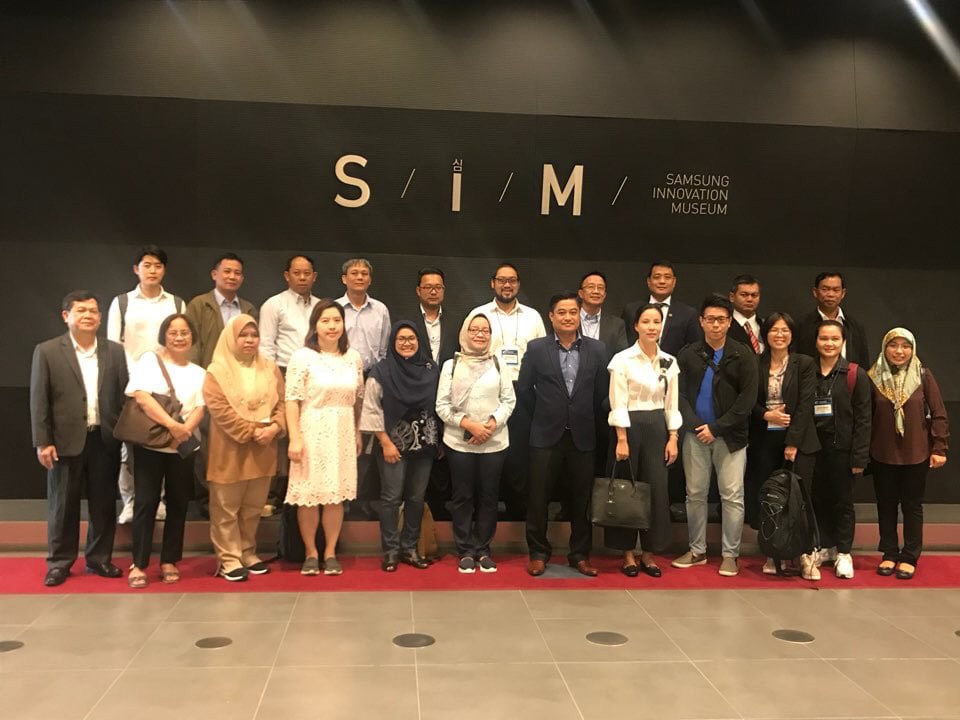
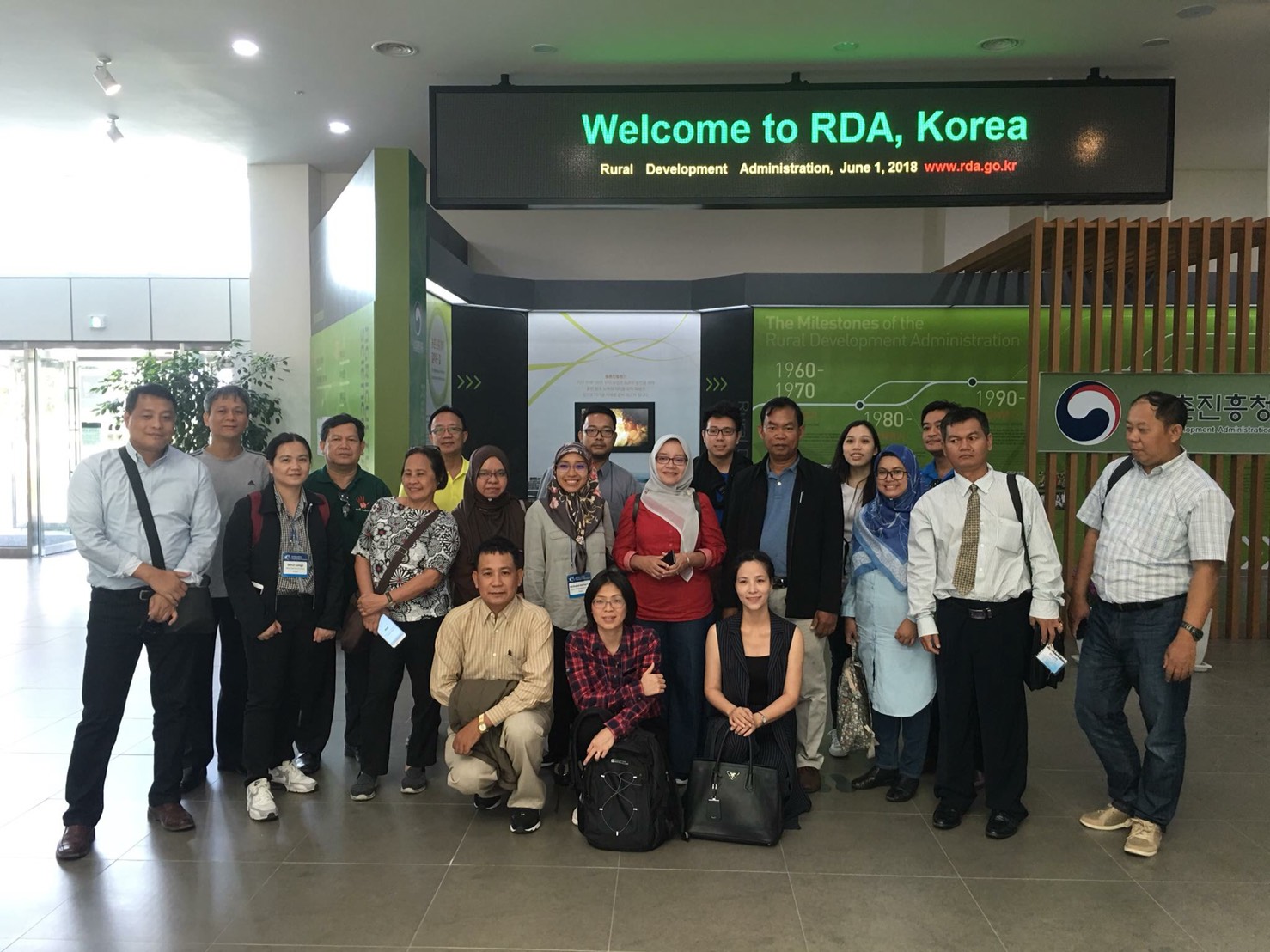
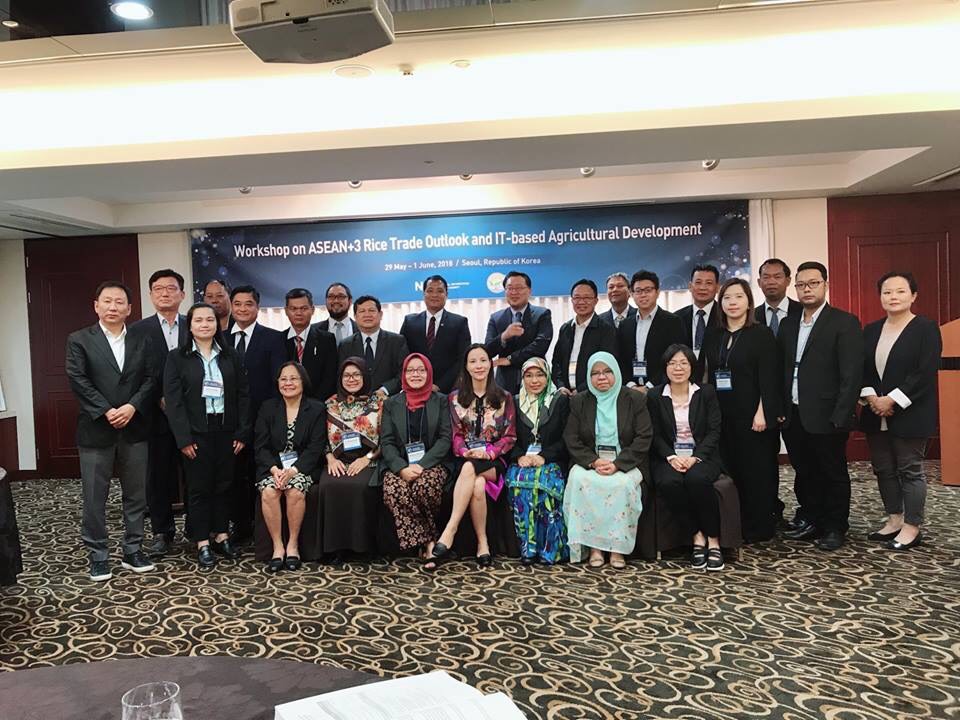
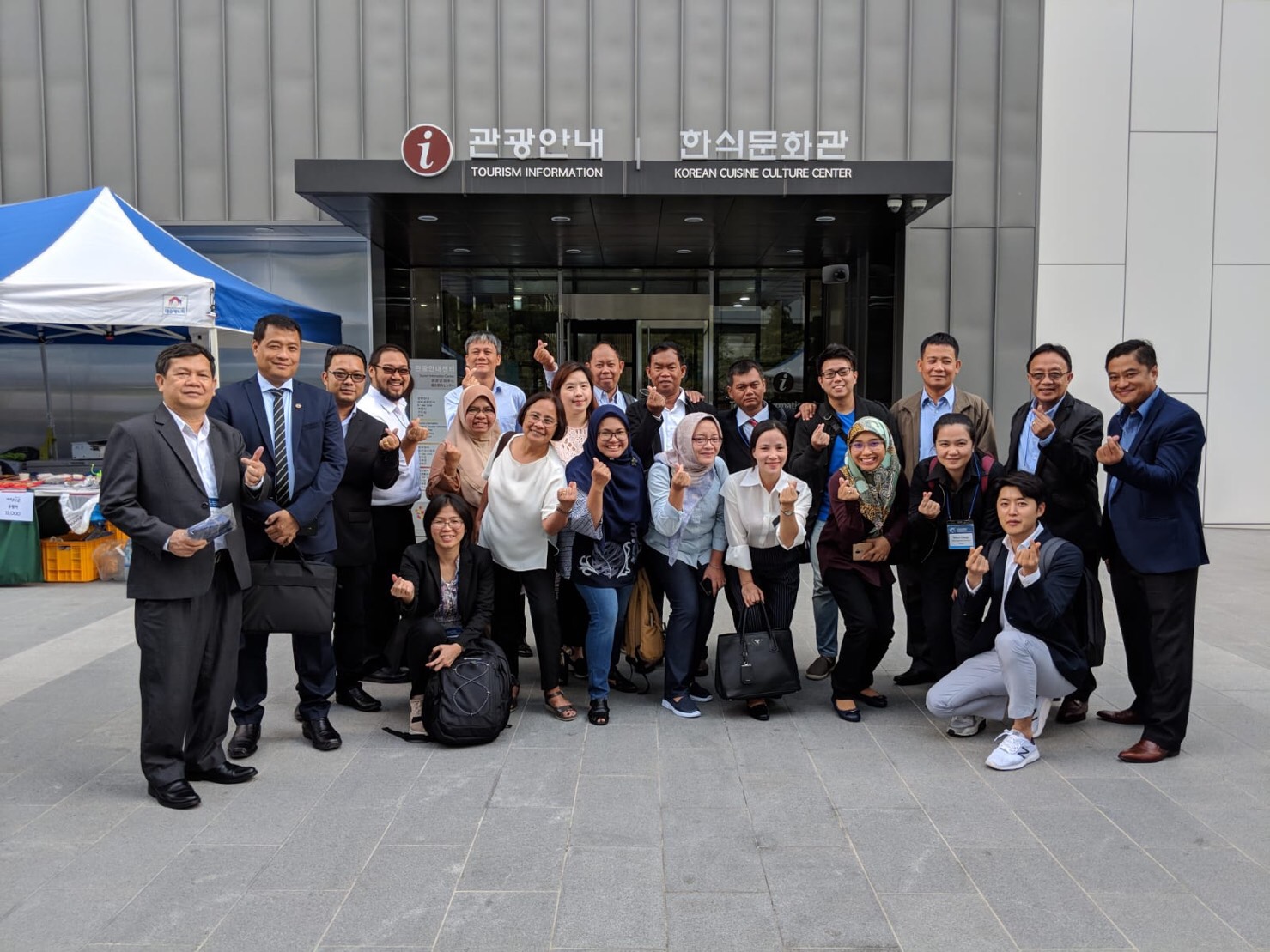
The ASEAN Food Security Information System (AFSIS) in cooperation with the National Information Society Agency (NIA) of the Republic of Korea hosted the capacity building workshop on “ASEAN+3 Rice Trade Outlook and IT-based Agricultural Development” during 29 May to 1 June 2018 in Seoul, Republic of Korea. The objective is to enhance capacity of high-level officials related to ASEAN+3 Rice Trade (Supply and Demand) Forecast Model using EXCEL and agricultural data collection using Information and Communication Technology (ICT) tools and techniques (e.g. Geographic Information System: GIS, Satellite, and Drone).
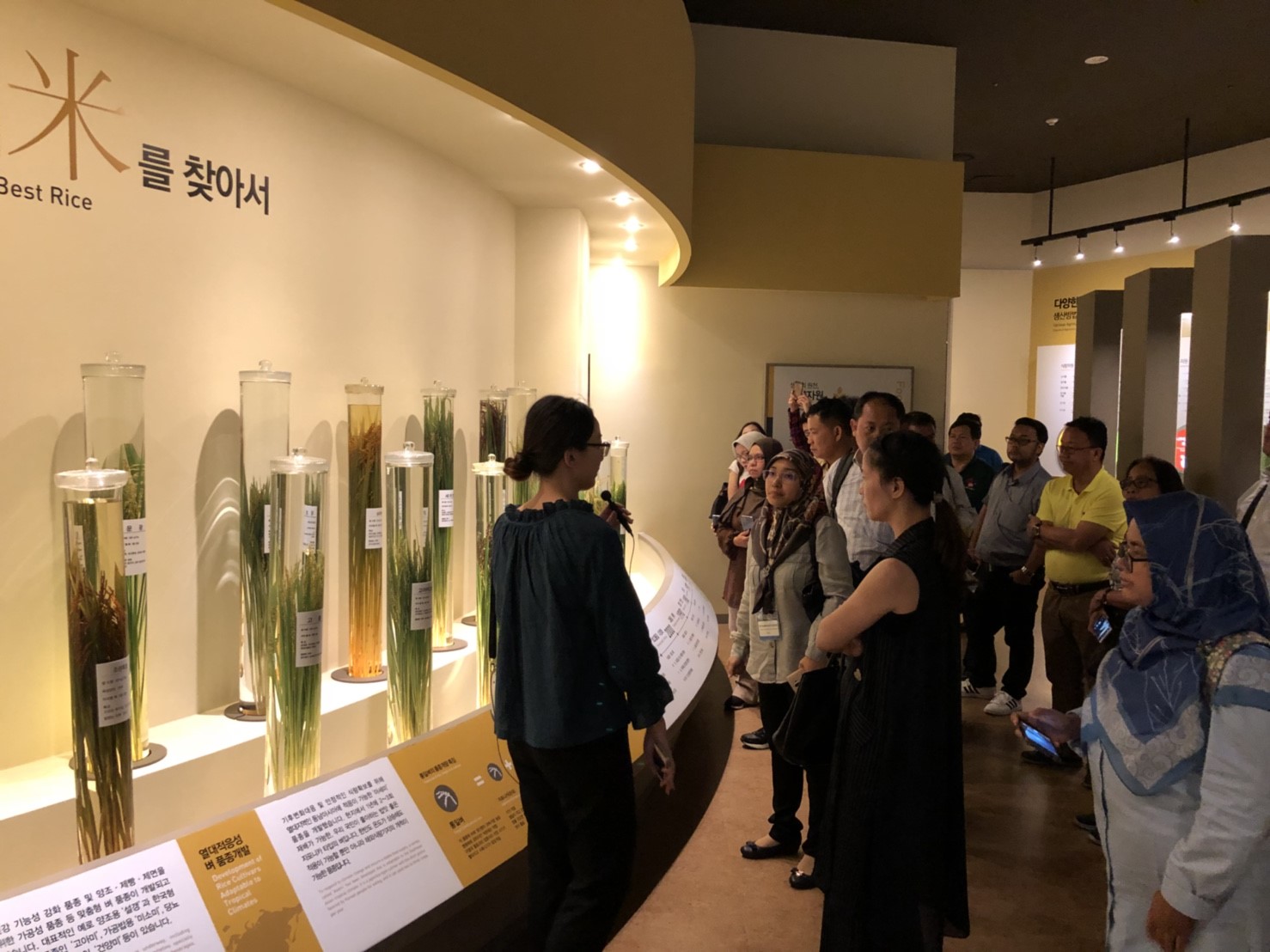
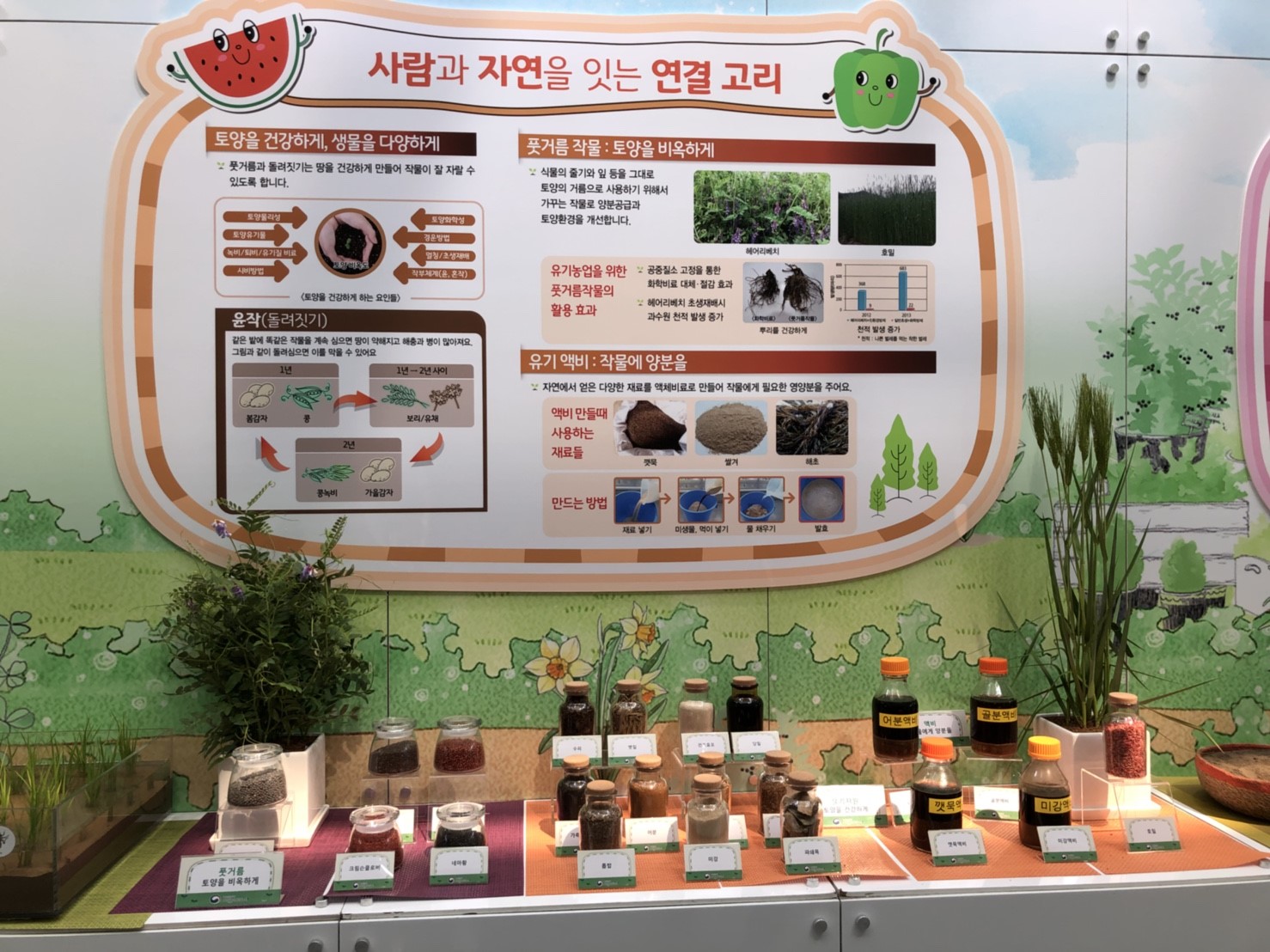
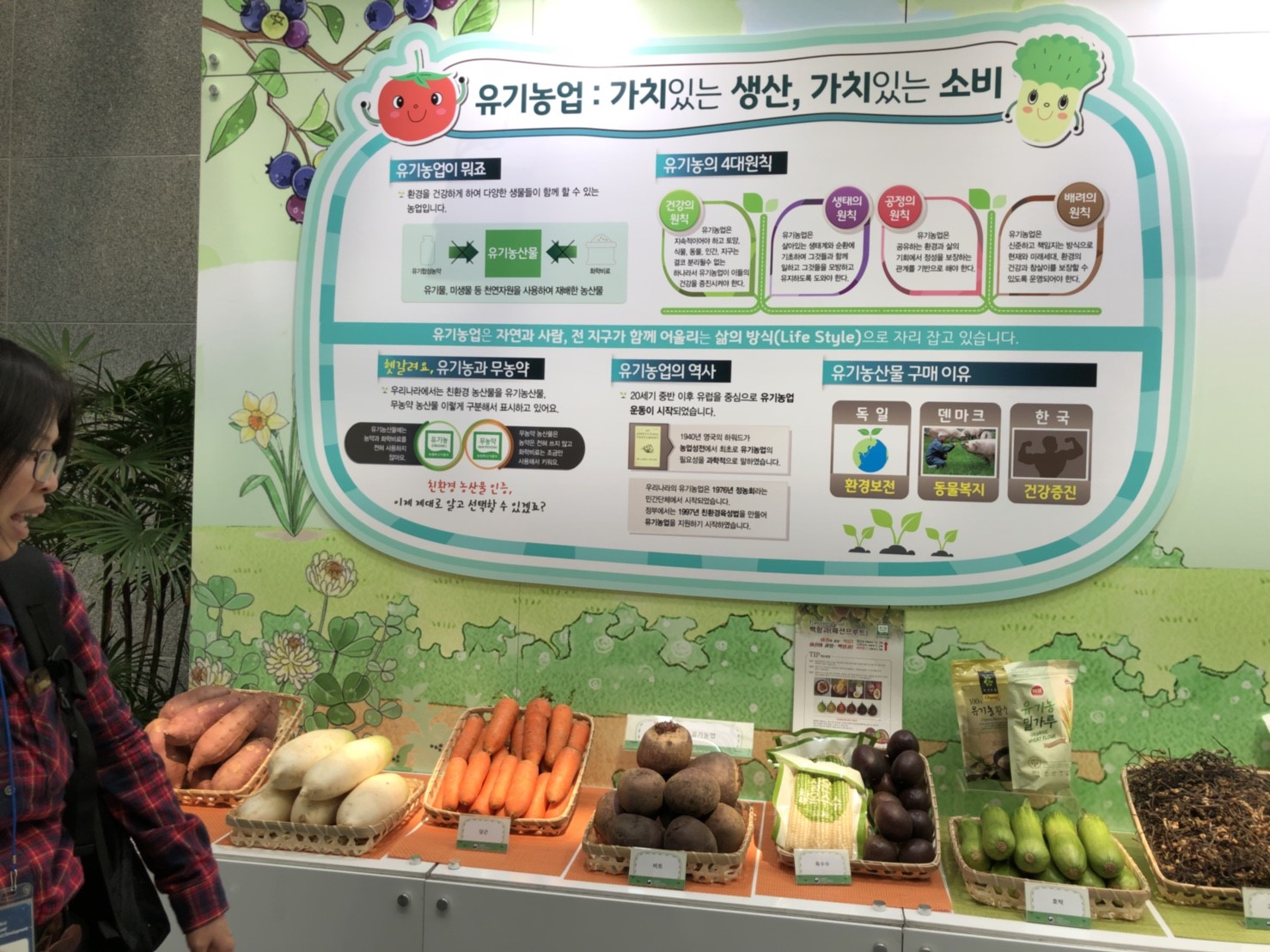
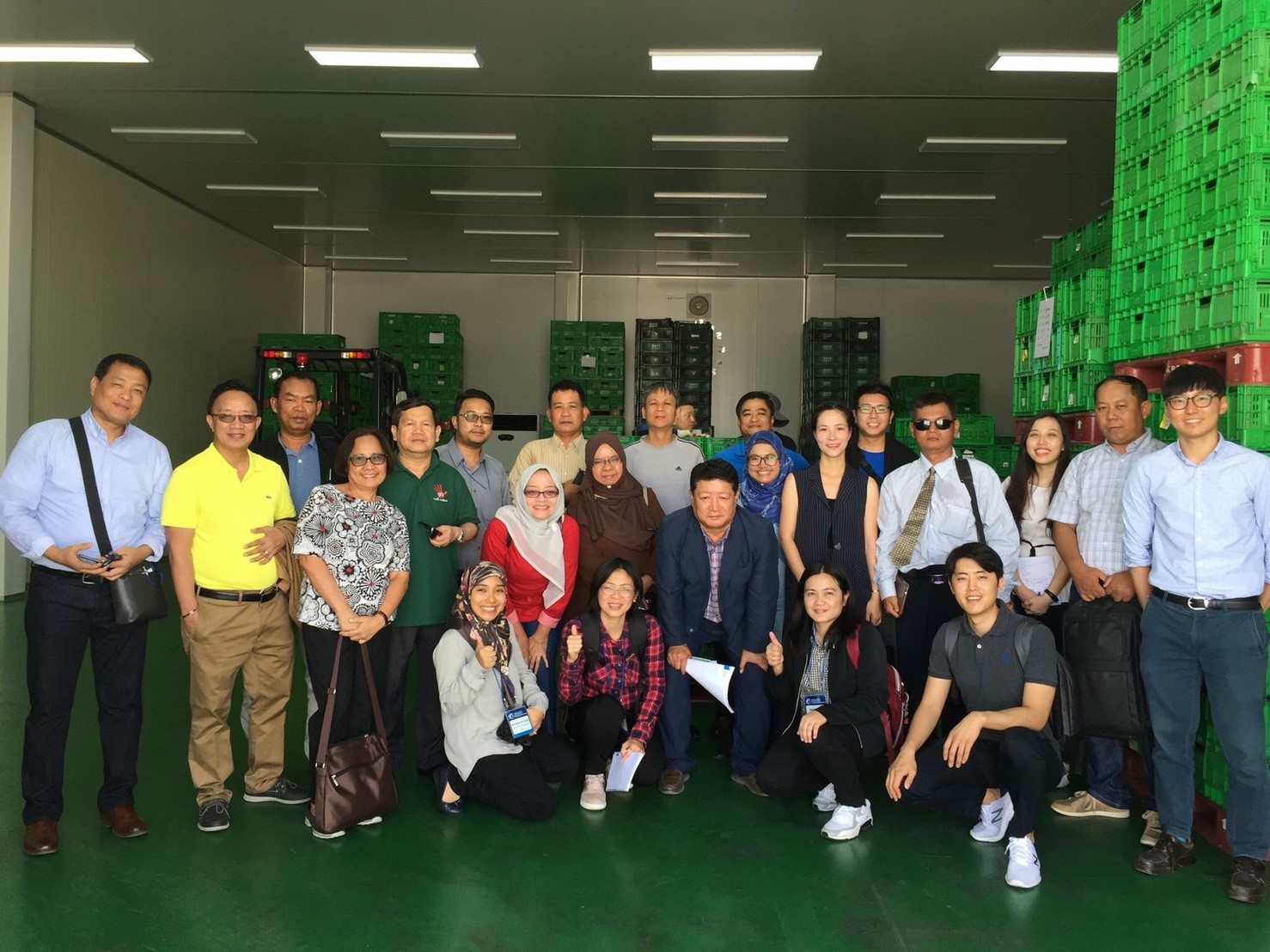
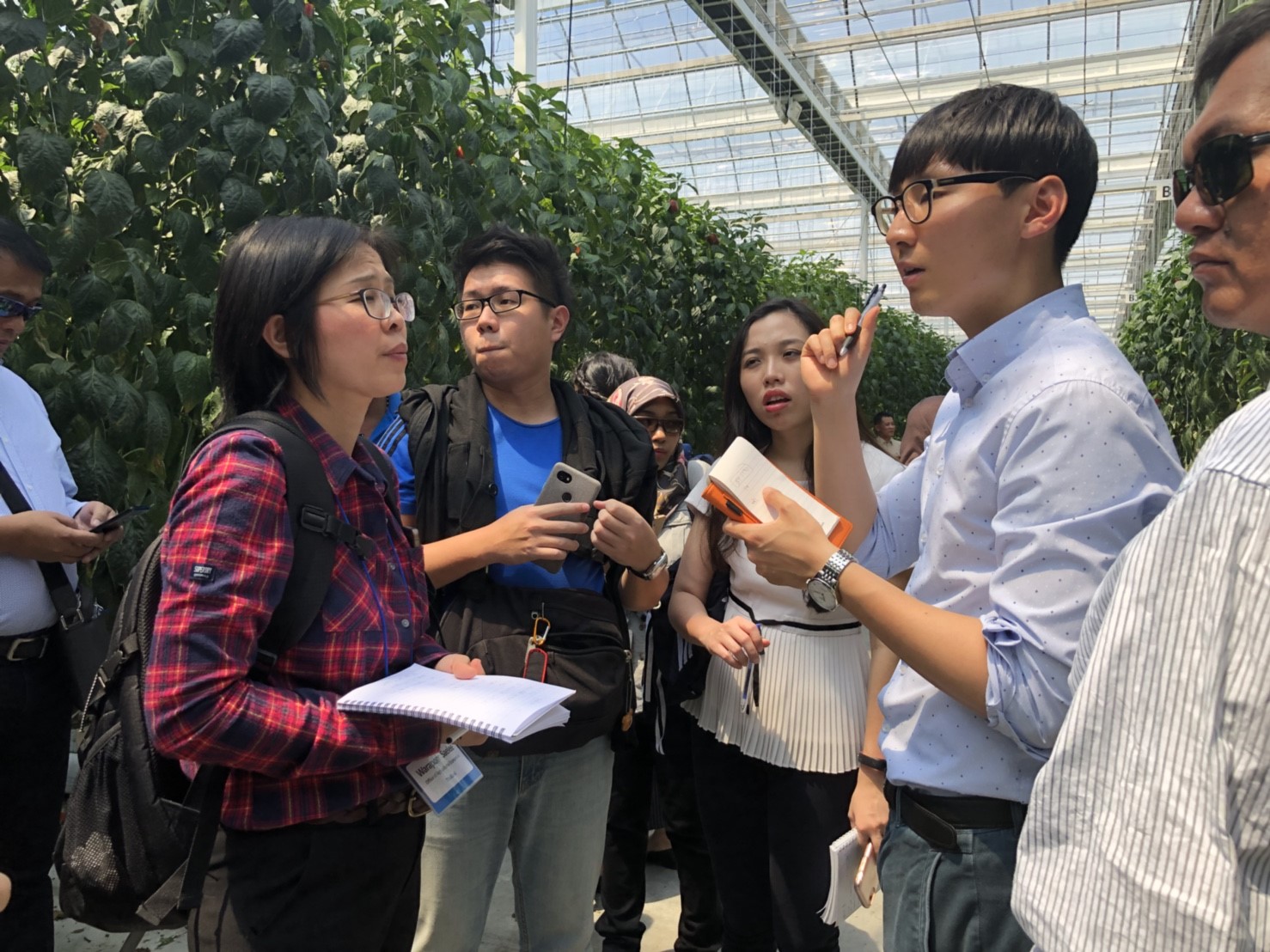
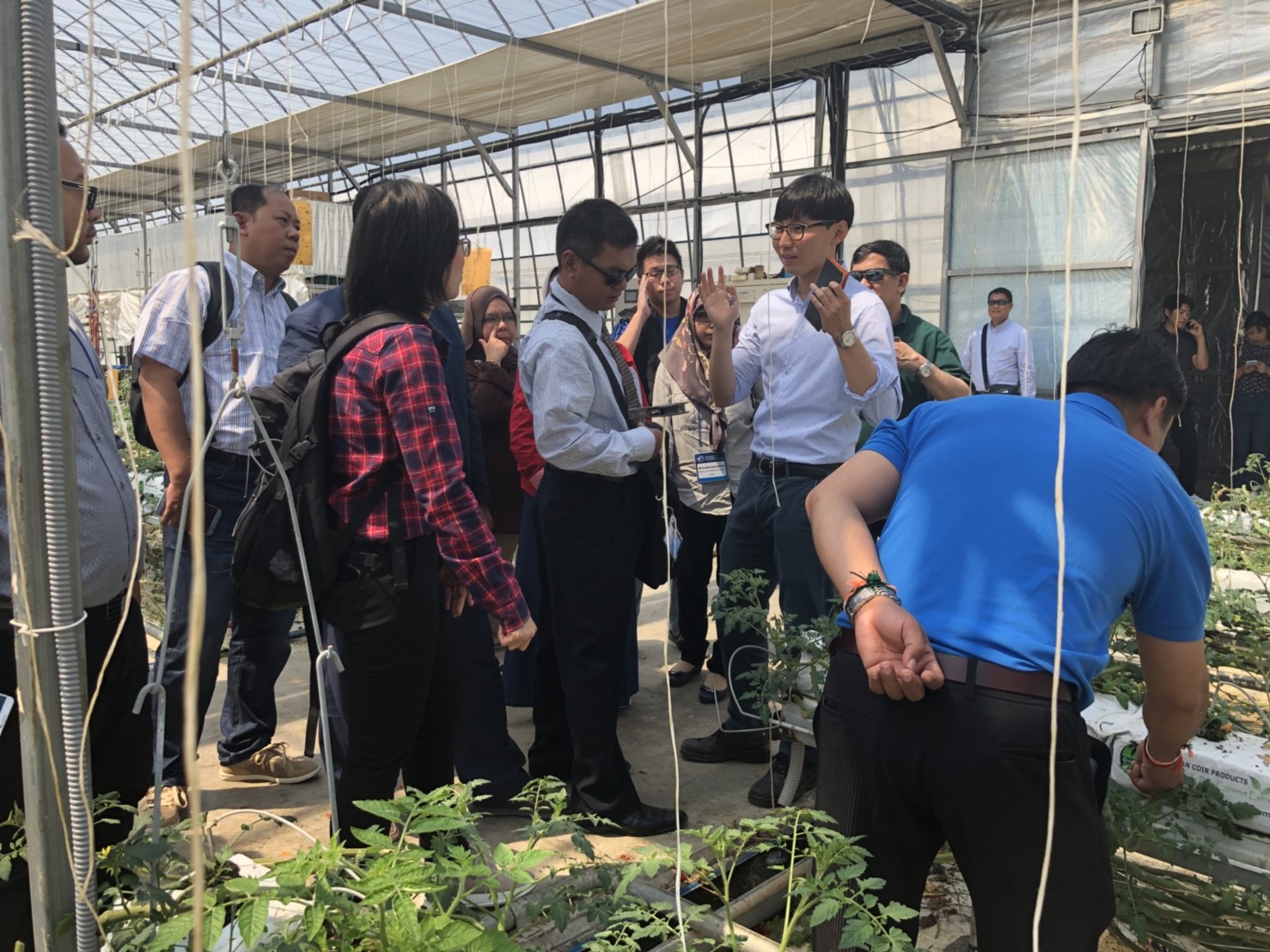
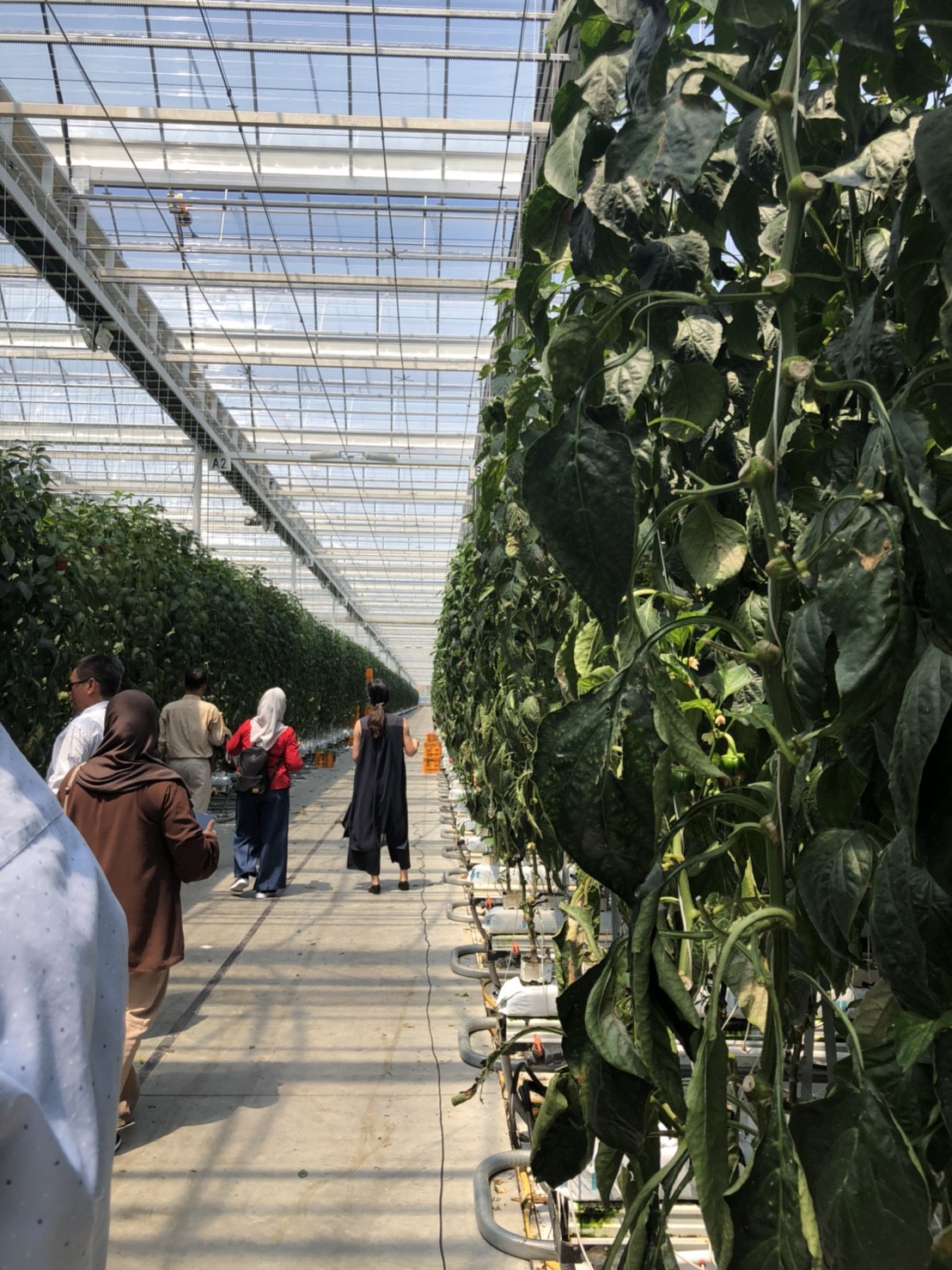
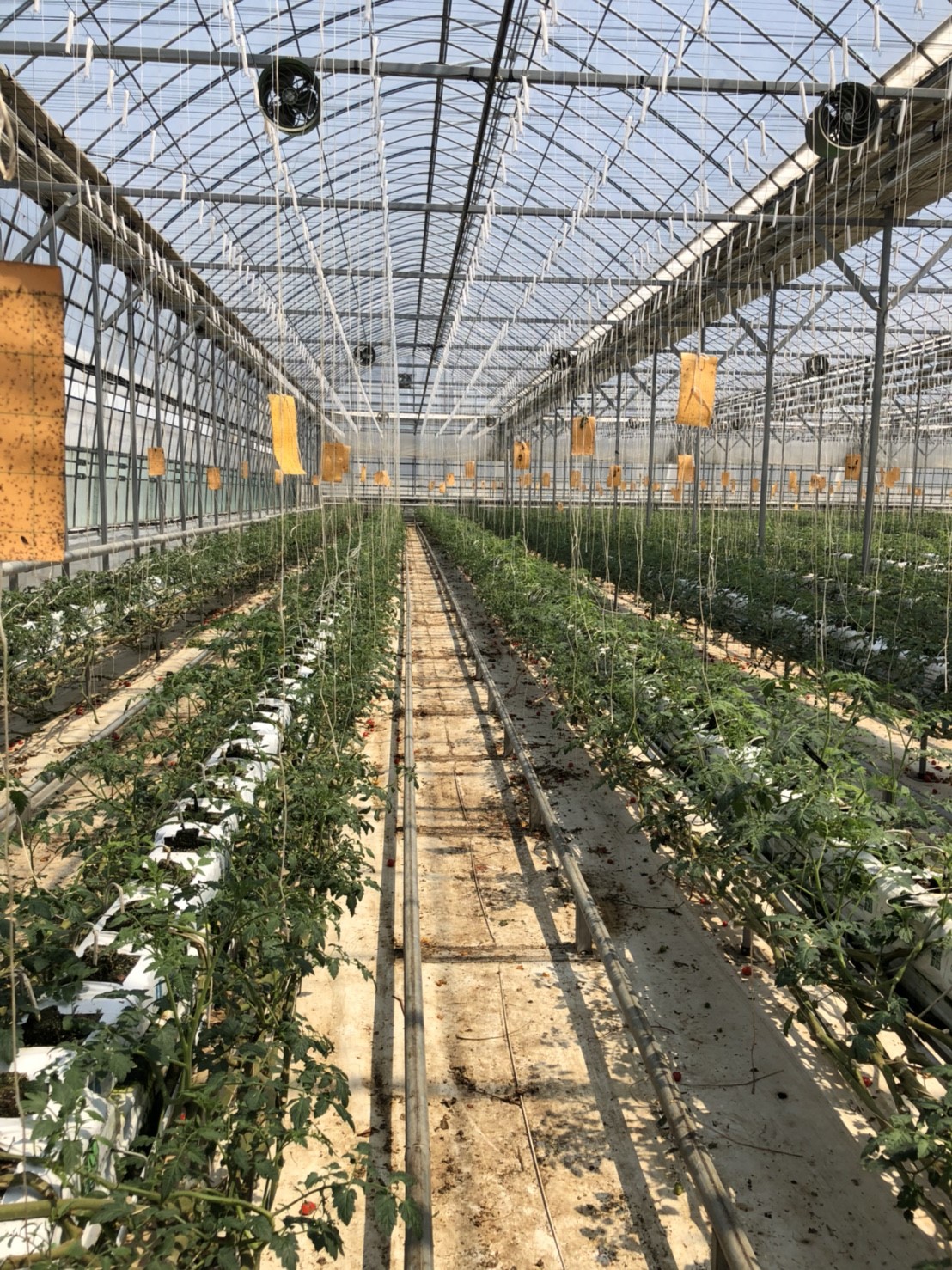
There are 20 participants fromalmost all ASEAN member states. The delegates learned about the concept of ASEAN+3 Rice Trade (Forecast) Model using EXCEL, Korea’s experience for agricultural and rural development, 4th industrial revolution and agricultural R&D in Korea, Korean Smart Farm Policy and Technology, Korean experience for transforming society via ICT, and the application of ICT for agricultural data collection. They also shared and discussed how each country collects and manages agricultural information, especially rice-related data through the rice value chain using information systems. Moreover, the participants had filed trip to visit the Rural Development Administration (RDA) in Wansan-gu district, North Jeolla province and see Korea’s best practices farm (a tomato and paprika smart farm) in Buyeo county, South Chungcheong province.

On 19 August 2026, the AFSIS Secretariat participated in the Special Senior Officials Meeting of the 25th Meeting of the ASEAN Ministers on Agriculture and Forestry Plus Three (Special SOM-25th AMAF Plus Three), hosted by the Philippines via video conference. The Meeting was attended by Senior Officials from ASEAN Member States, the Plus Three countries, and the ASEAN Secretariat. The AFSIS Secretariat was represented by Dr. Sumanya Ngandee, AFSIS Manager.

On 29 July 2026, the APEC Policy Partnership on Food Security (PPFS) successfully convened the APEC PPFS Webinar on Strategic Cooperation for Strengthening Food System Resilience via a virtual platform. The webinar was organized by the Ministry of Agriculture, Food and Rural Affairs (MAFRA) of the Republic of Korea as a self-funded PPFS project to promote strategic cooperation and knowledge exchange on strengthening food system resilience across APEC member economies.

The AFSIS Secretariat participated in the 10th International Conference on Agricultural Statistics (ICAS X), held from 8 to 10 July 2026 at the ICE Krakow Congress Centre in Krakow, Poland. Jointly organized by Statistics Poland, Eurostat, the United States Department of Agriculture (USDA), the World Bank Group, and the Food and Agriculture Organization of the United Nations (FAO).
.JPG)
On 24–25 June 2026, AFSIS Secretariat participated in the 46th Meeting of the ASEAN Food Security Reserve Board (AFSRB) via a virtual conference. The Meeting was jointly organized by the AFSRB Secretariat and the Department of Agriculture (DOA), Ministry of Agriculture, Livestock and Irrigation (MOALI) of the Republic of the Union of Myanmar, and was hosted in Nay Pyi Taw, Myanmar.

