
The PPFS Webinar on Digitalization and Innovation of APEC Food System: Exploring Exemplary Cases of Promoting Digitalization and Technological Innovation in the Public and Private Sectors and Public-Private Partnerships was held in Republic of Korea, on December 5,2023.
This event engaged all relevant stakeholders in the policy dialogue on digitalization and innovation. They shared policy cases that have successfully responded to the challenges surrounding the APEC agri-food systems such as climate change and food insecurity through digitalization and innovation.

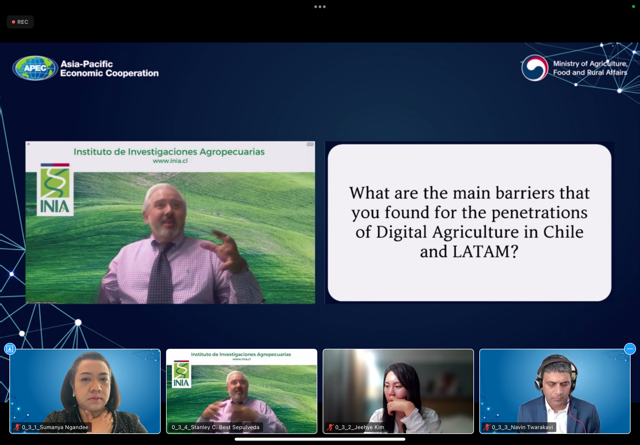

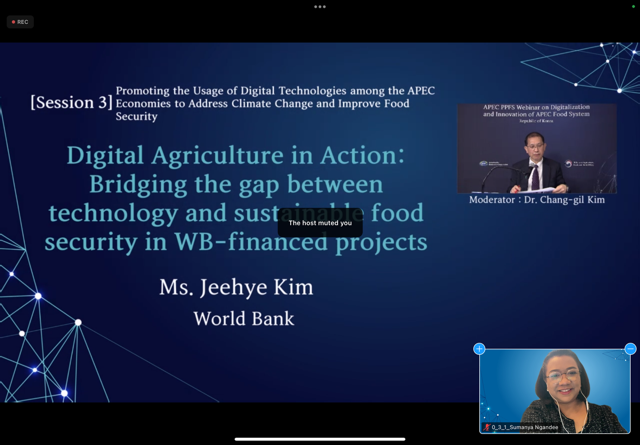
On the 3rd session of Promoting the Usage of Digital Technologies Among the APEC Economies to Address Climate Change and Improve Food Security, Dr. Sumanya Ngandee, AFSIS Manager, was honored to share a presentation on the topic Utilization of satellite technology for crop monitoring activity and capacity building from partners related to food security in ASEAN.


All participants explored exemplary cases of the public and private sectors and public-private partnerships for improving the digital capacity of various stakeholders across the entire agri-food supply chain.
In addition, this event went well and received the attention of the participants. This is in line with AFSIS's ambition to share the importance of the project activities by using satellite technology for the crop monitoring information project and the importance of food security information in ASEAN.

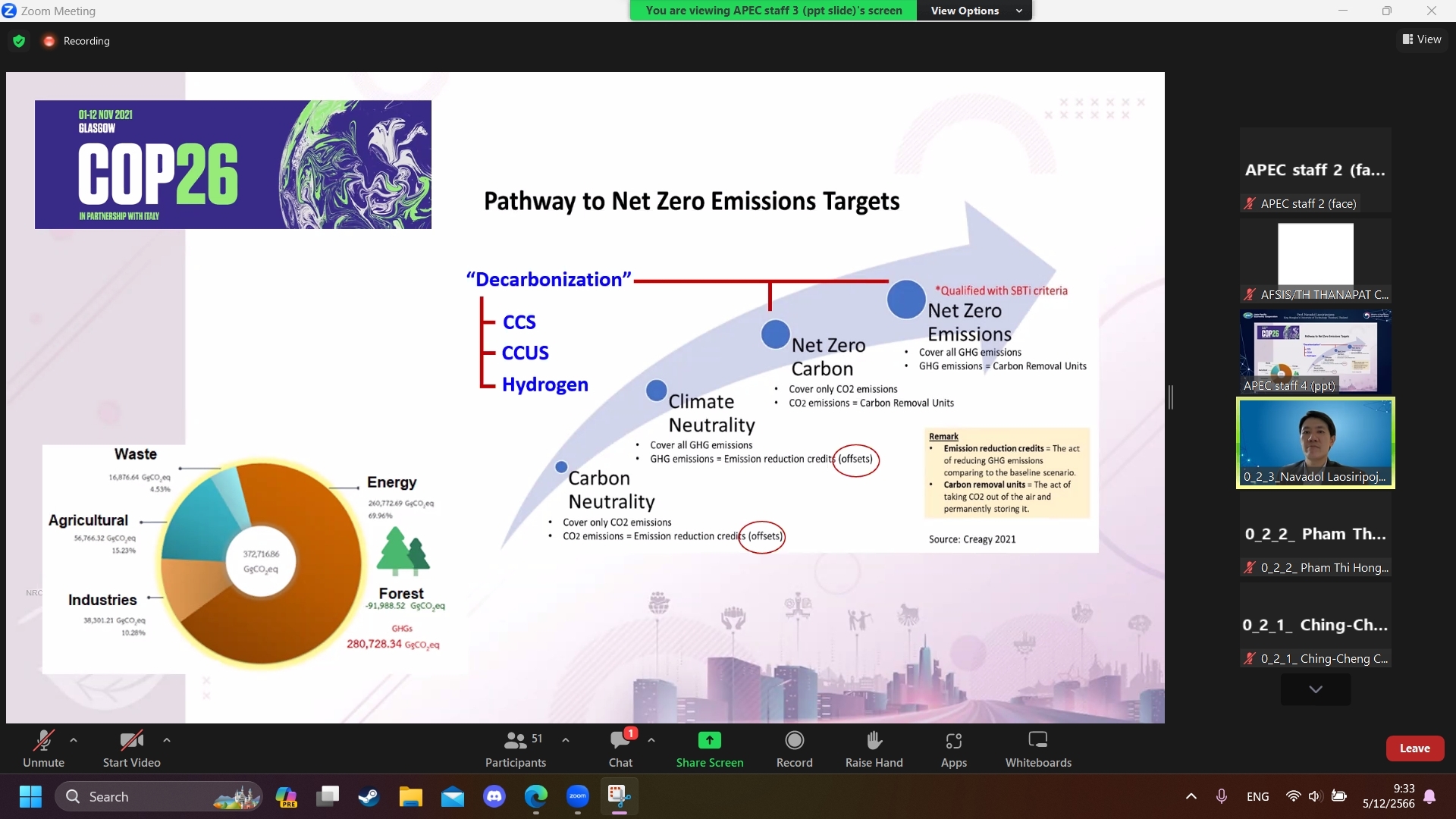


On 29 July 2026, the APEC Policy Partnership on Food Security (PPFS) successfully convened the APEC PPFS Webinar on Strategic Cooperation for Strengthening Food System Resilience via a virtual platform. The webinar was organized by the Ministry of Agriculture, Food and Rural Affairs (MAFRA) of the Republic of Korea as a self-funded PPFS project to promote strategic cooperation and knowledge exchange on strengthening food system resilience across APEC member economies.

The AFSIS Secretariat participated in the 10th International Conference on Agricultural Statistics (ICAS X), held from 8 to 10 July 2026 at the ICE Krakow Congress Centre in Krakow, Poland. Jointly organized by Statistics Poland, Eurostat, the United States Department of Agriculture (USDA), the World Bank Group, and the Food and Agriculture Organization of the United Nations (FAO).
.JPG)
On 24–25 June 2026, AFSIS Secretariat participated in the 46th Meeting of the ASEAN Food Security Reserve Board (AFSRB) via a virtual conference. The Meeting was jointly organized by the AFSRB Secretariat and the Department of Agriculture (DOA), Ministry of Agriculture, Livestock and Irrigation (MOALI) of the Republic of the Union of Myanmar, and was hosted in Nay Pyi Taw, Myanmar.

On 17–18 June 2026, the 24th AFSIS Focal Point Meeting was successfully convened via video conference, hosted by the Philippine Statistics Authority (PSA) in collaboration with the ASEAN Food Security Information System (AFSIS) Secretariat.

