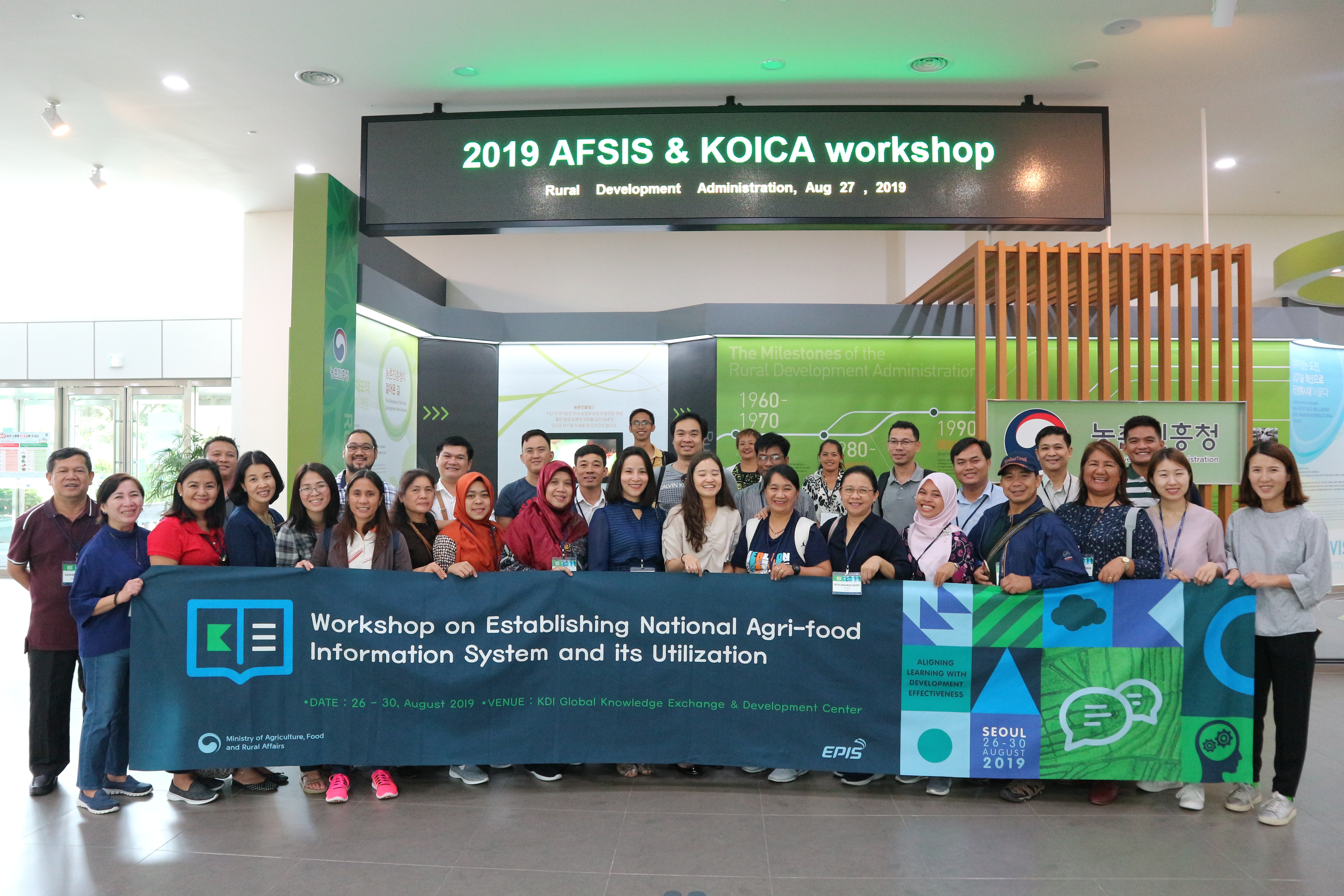
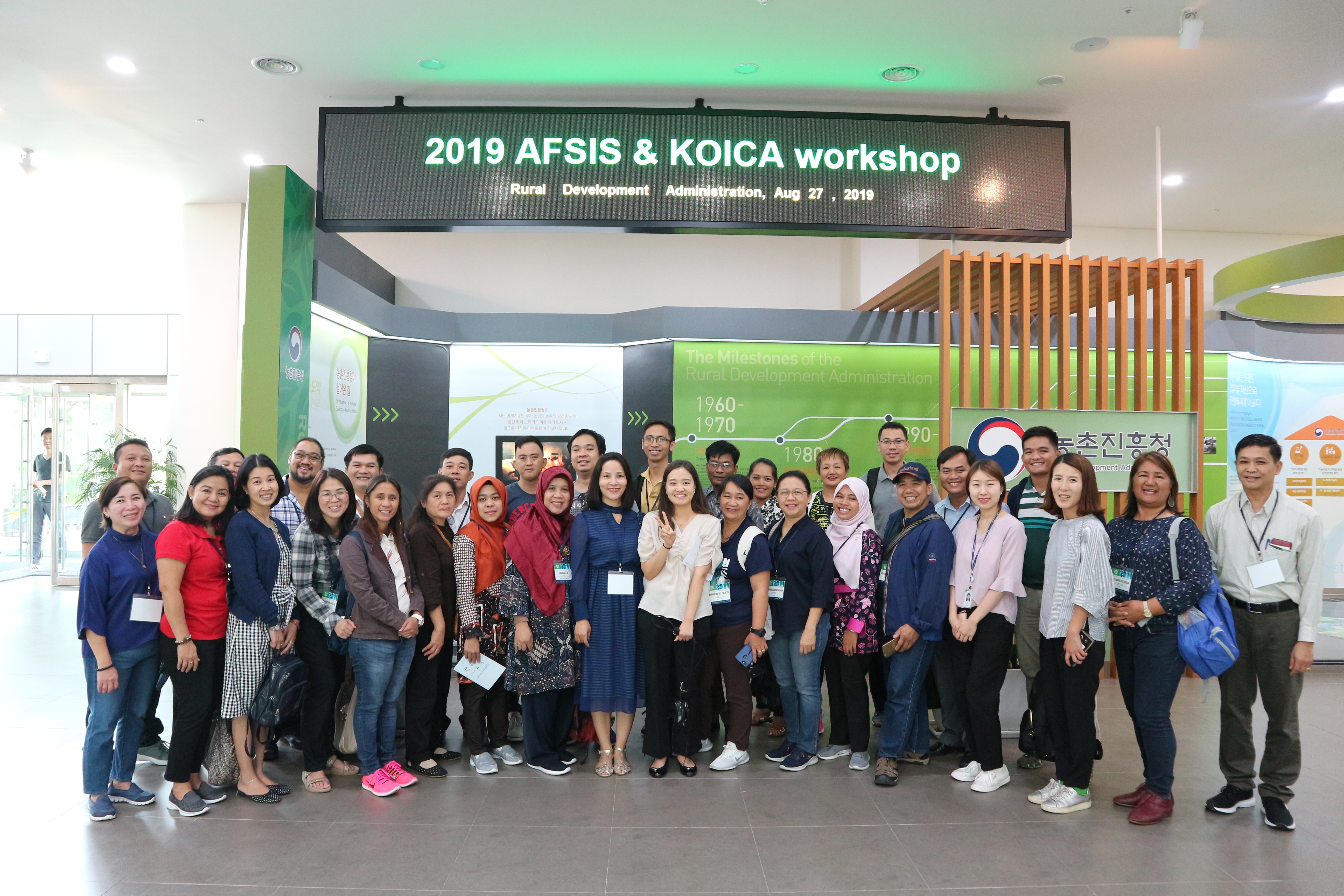
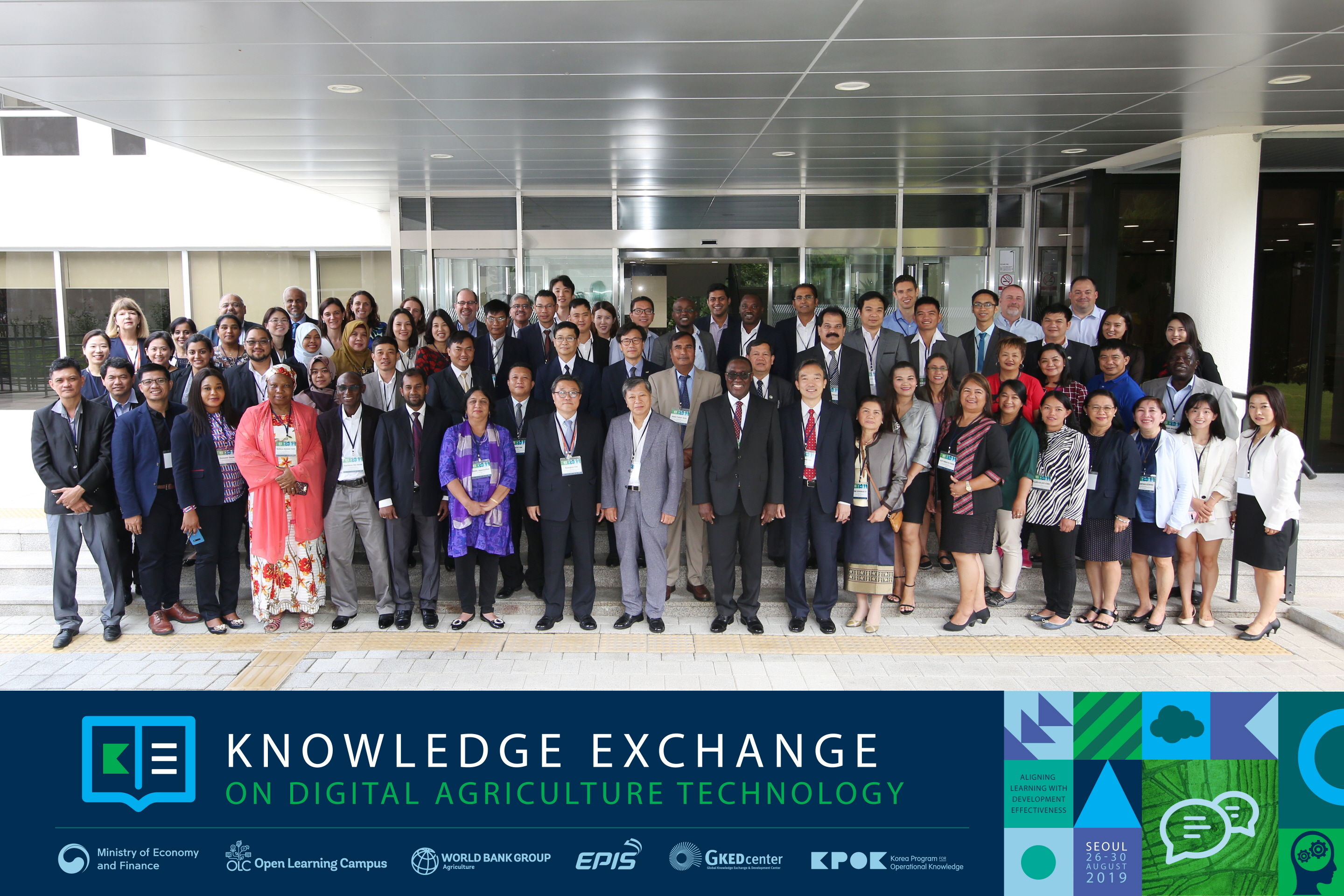
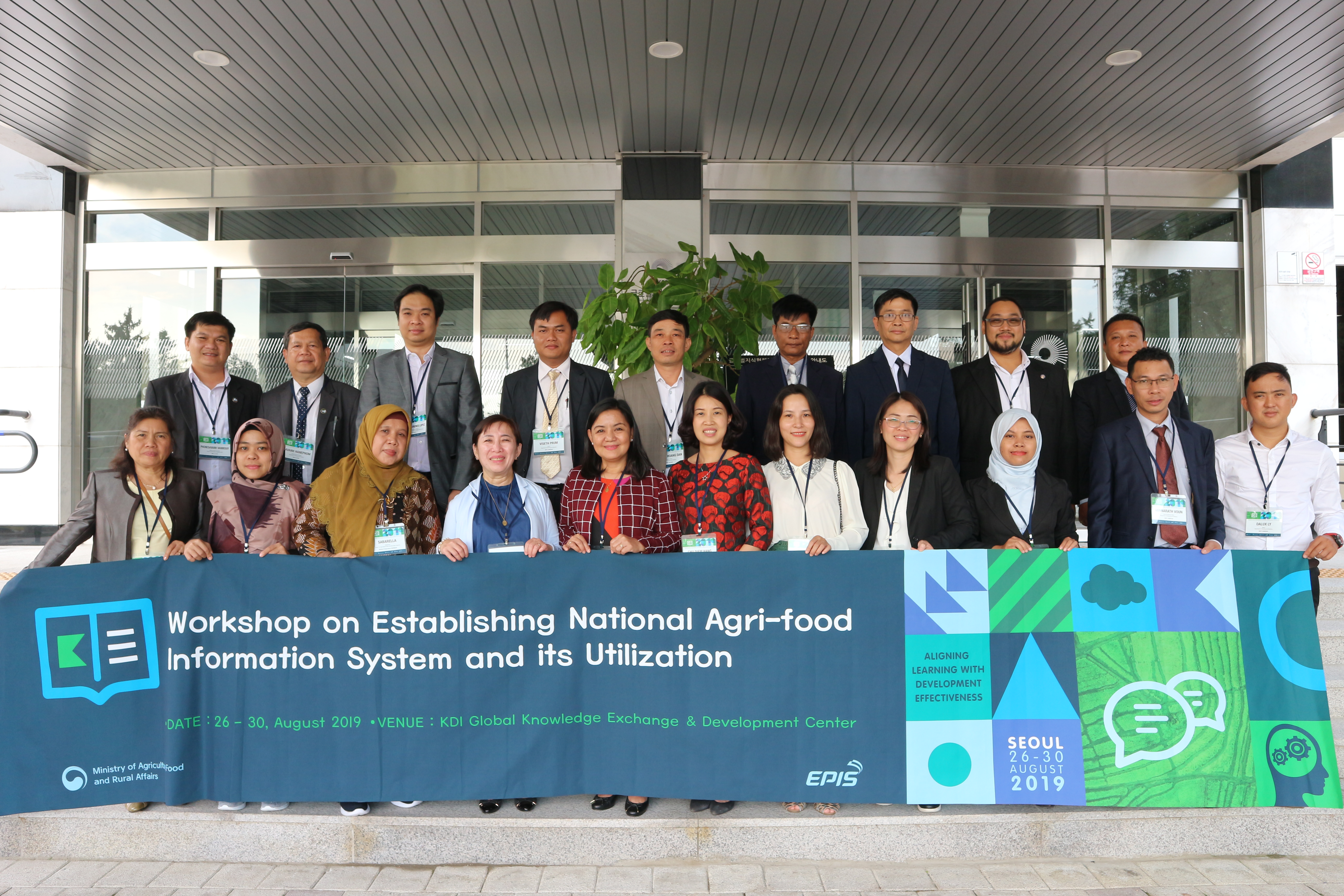
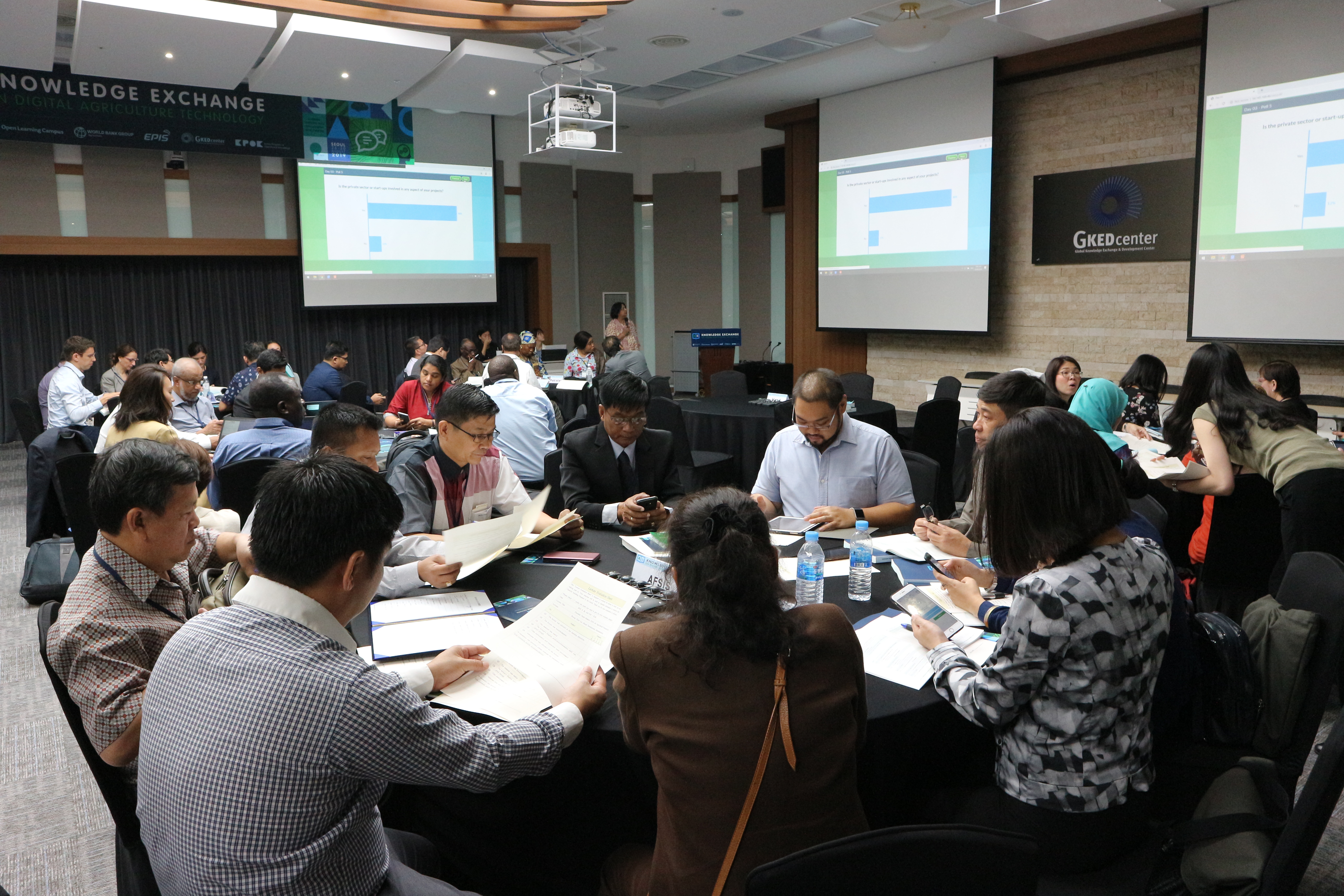
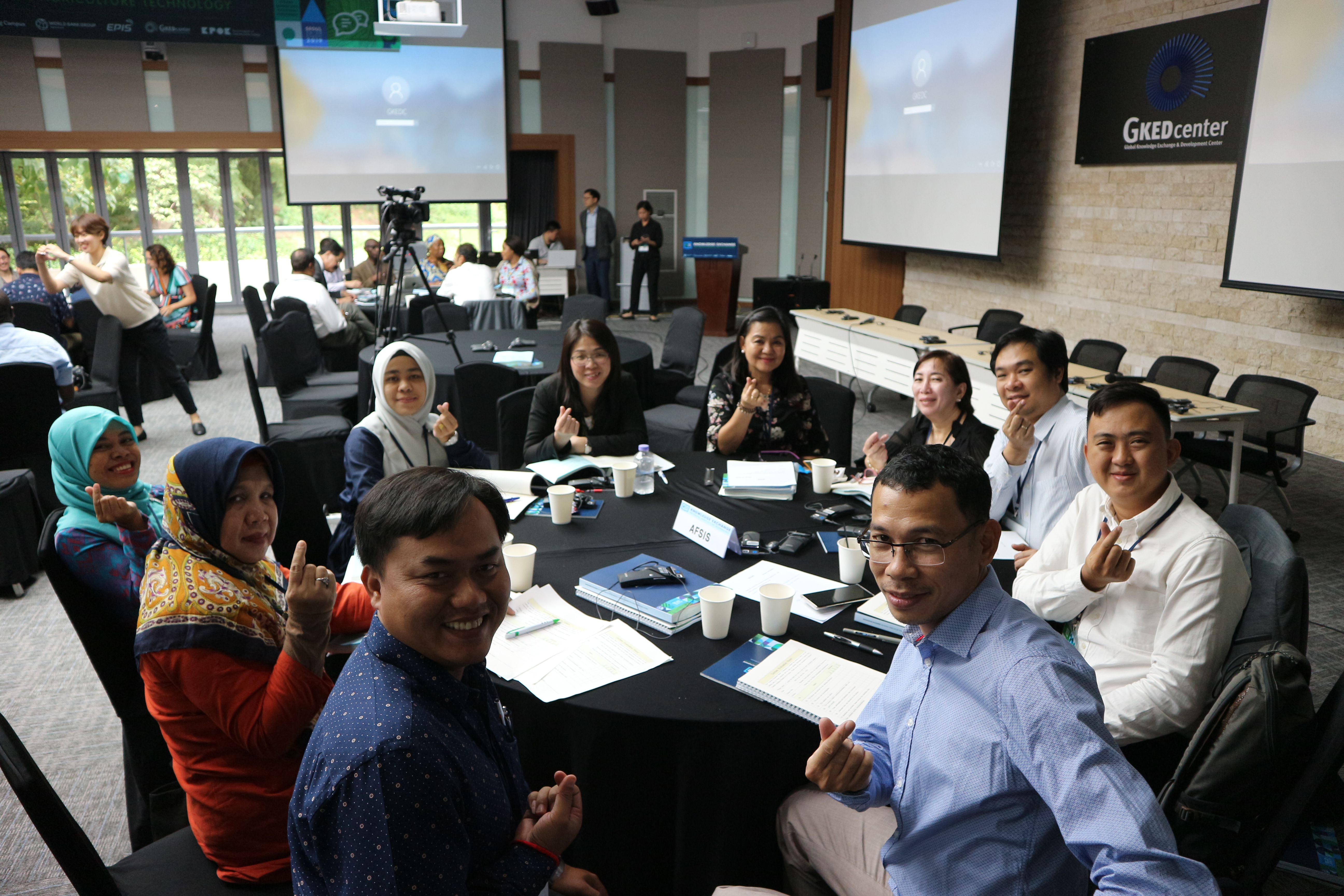
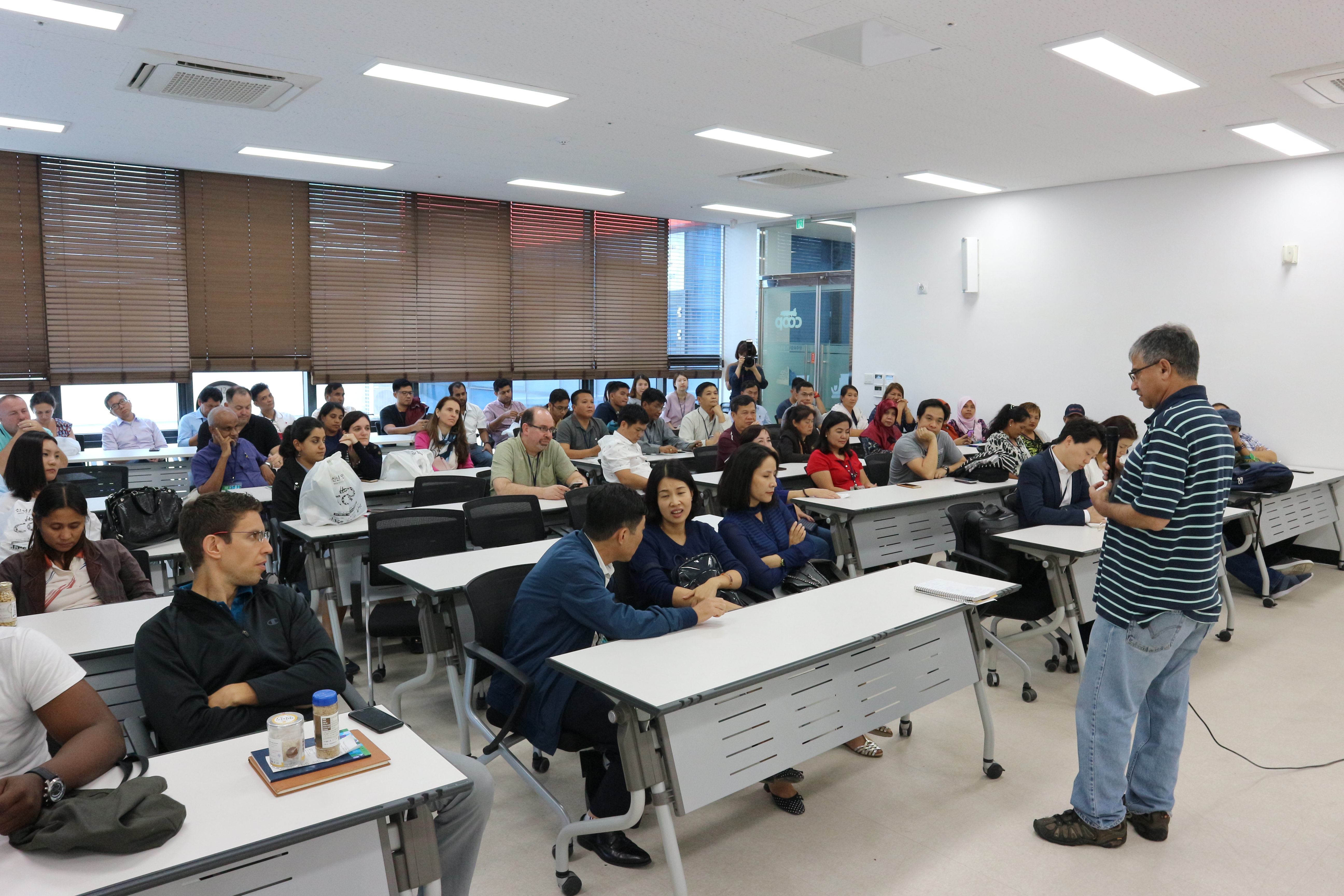
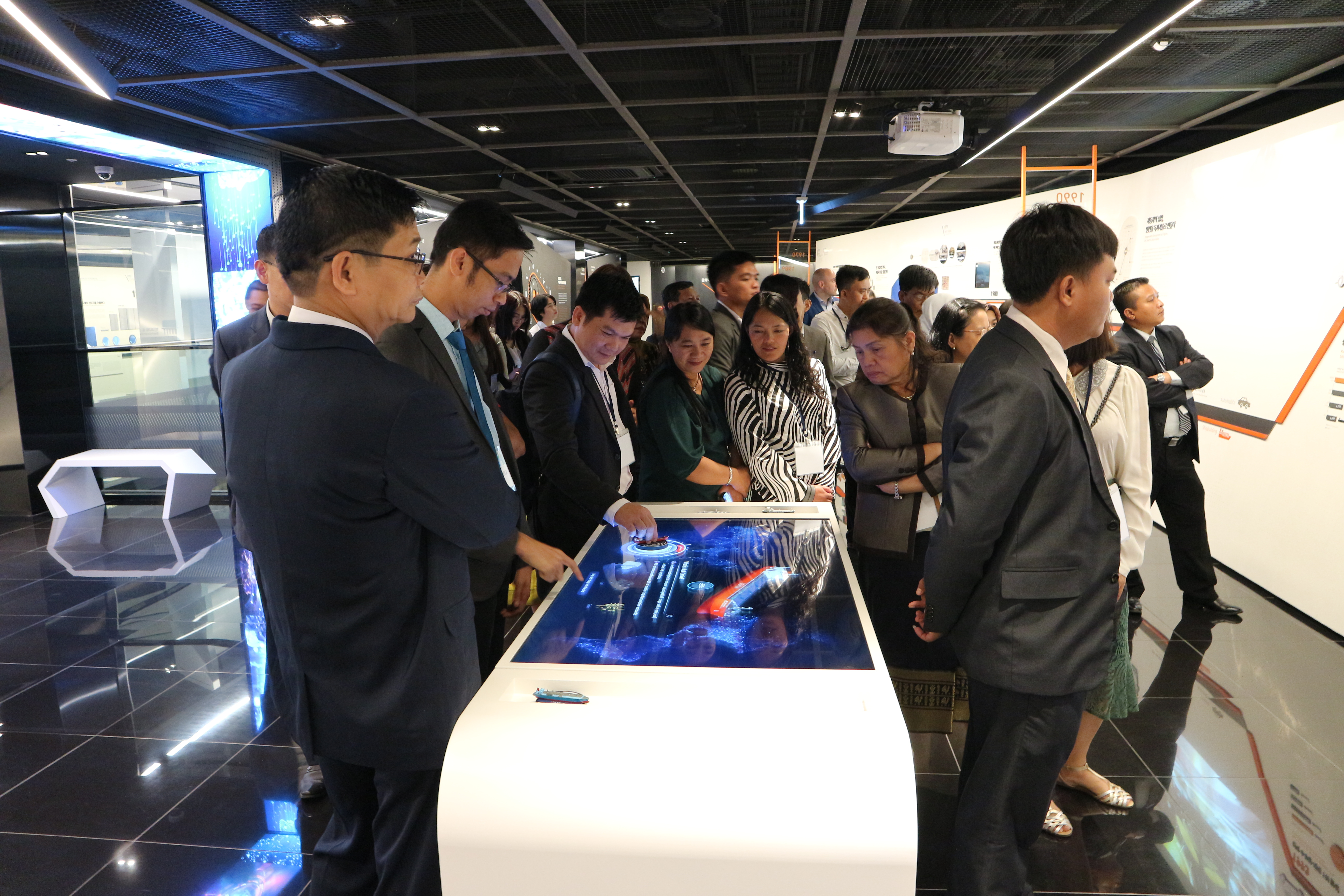
The ASEAN Food Security Information System (AFSIS) in cooperation with the Korea Agency of Education, Promotion and Information Service in Food, Agriculture, Forestry and Fisheries (EPIS) hosted the capacity building workshops on “Establishing National Agri-food Information System and its Utilization” and “Digital Agriculture Technology and Agriculture Statistics” between August 25 - 31, 2019 in Seoul, Republic of Korea. The objective is toseek opportunity and direction of the National Agri-food Information System (NAIS) project as this project faced to its 2nd phase, as well as introduction of Korean successful case in ICT convergence in agricultural sector.
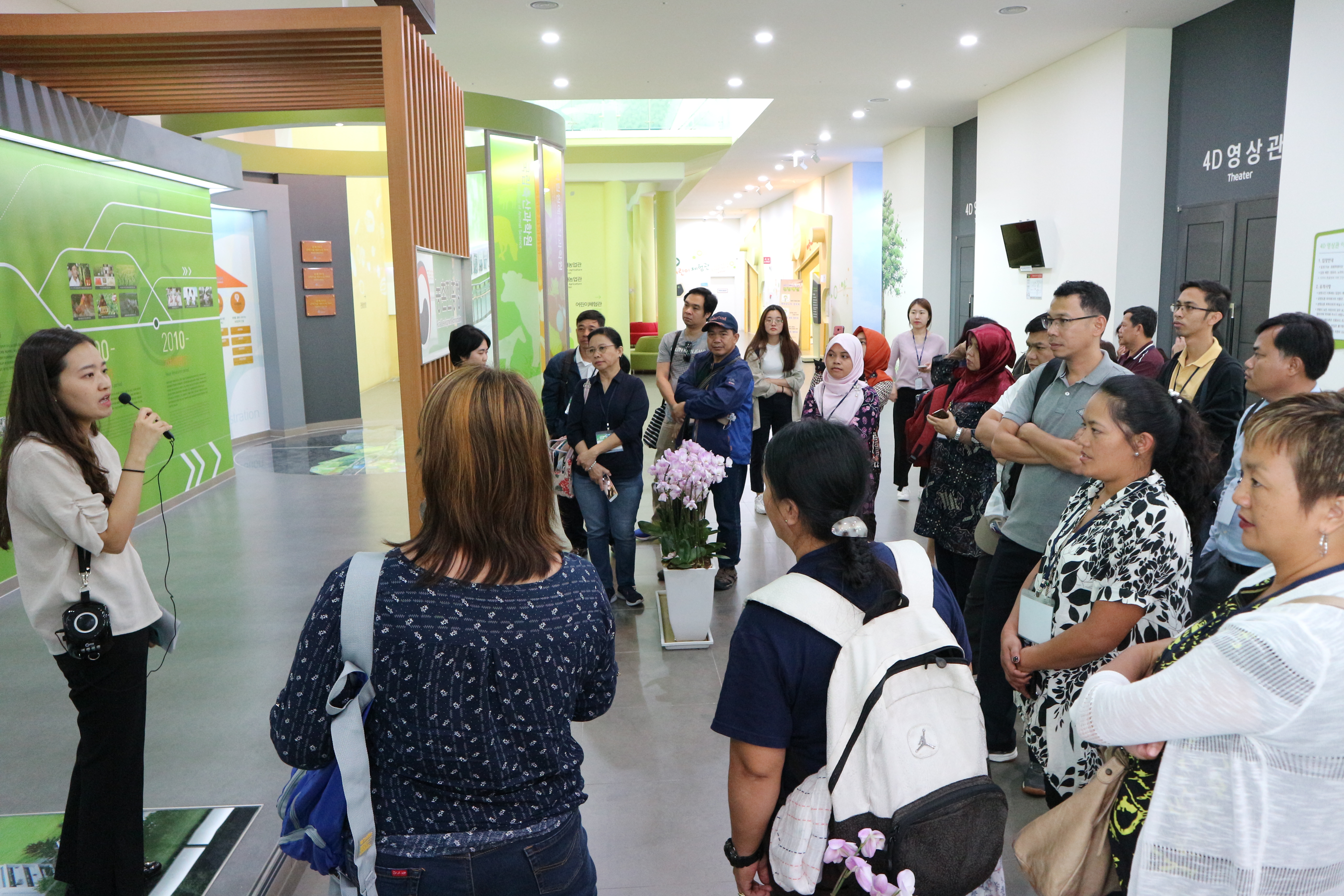
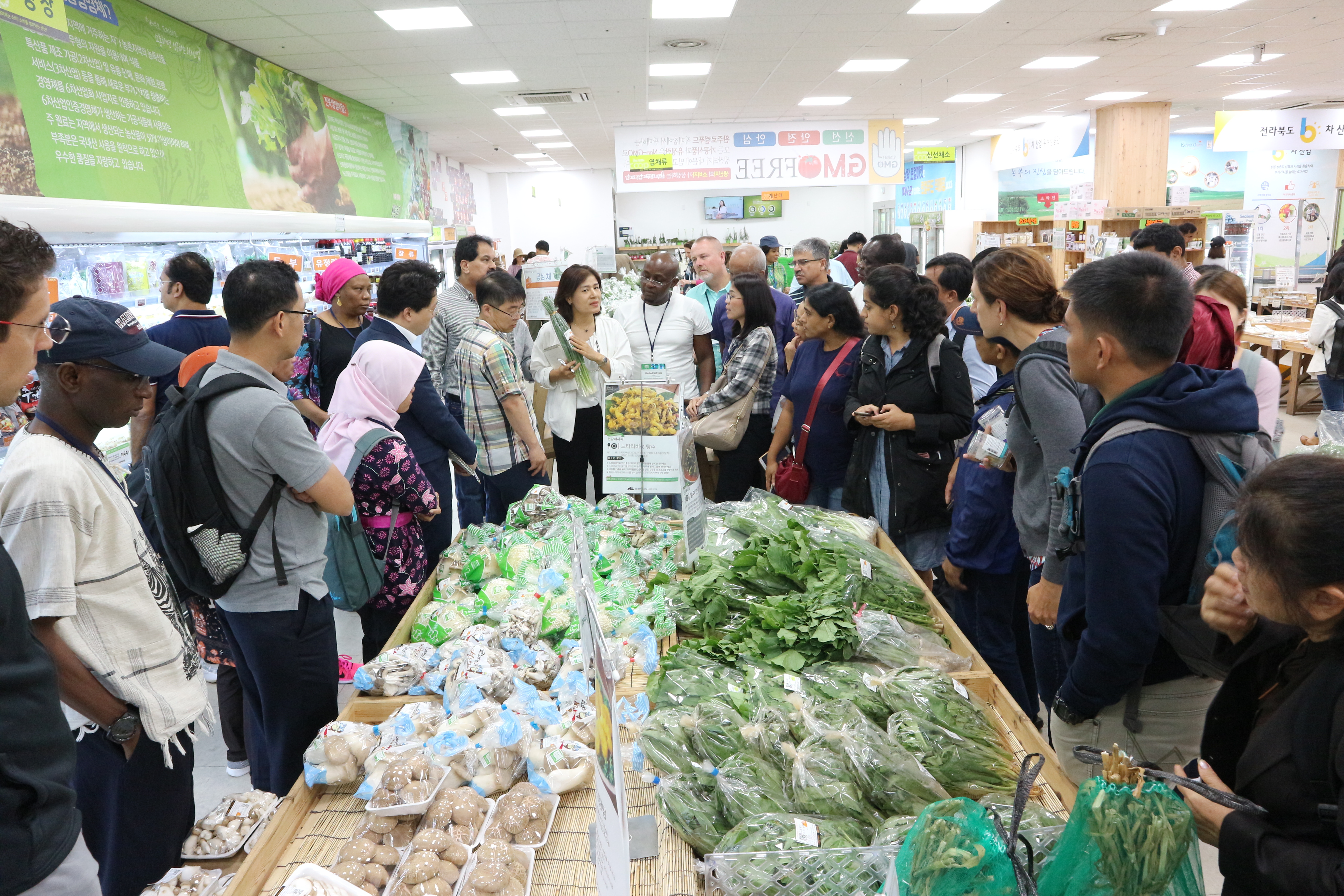
There are 20 participants from Cambodia, Indonesia, Lao PDR, Myanmar, the Philippines, Vietnam, and AFSIS Secretariat. The delegates learned about the concept of a global picture of digital agriculture technologies (DATs), a Korean picture of DATs, the innovation of Korean smart farming, building a strong innovation ecosystem to support DATs, DATs for agricultural productivity and market linkages, farmer financial inclusion, data analytic and intelligence, and alternative energy for agriculture. They also shared and discussed on the current status of agriculture information and statistics data, the current status of NAIS project, and the improvement plan for NAIS project regarding the future direction for 3rd phase. Moreover, the participants had filed trip to visit Wanju Local Food Market and the Rural Development Administration (RDA) in Wansan-gu district, North Jeolla province.
For more material regarding this EPIS Workshop and others, please visit the link : http://www.aptfsis.org/knowledgebase/4

The AFSIS Secretariat participated in the 10th International Conference on Agricultural Statistics (ICAS X), held from 8 to 10 July 2026 at the ICE Krakow Congress Centre in Krakow, Poland. Jointly organized by Statistics Poland, Eurostat, the United States Department of Agriculture (USDA), the World Bank Group, and the Food and Agriculture Organization of the United Nations (FAO).
.JPG)
On 24–25 June 2026, AFSIS Secretariat participated in the 46th Meeting of the ASEAN Food Security Reserve Board (AFSRB) via a virtual conference. The Meeting was jointly organized by the AFSRB Secretariat and the Department of Agriculture (DOA), Ministry of Agriculture, Livestock and Irrigation (MOALI) of the Republic of the Union of Myanmar, and was hosted in Nay Pyi Taw, Myanmar.

On 17–18 June 2026, the 24th AFSIS Focal Point Meeting was successfully convened via video conference, hosted by the Philippine Statistics Authority (PSA) in collaboration with the ASEAN Food Security Information System (AFSIS) Secretariat.
.jpg)
The ASEAN Food Security Information System (AFSIS) Secretariat, in collaboration with the Ministry of Agriculture, Forestry and Fisheries (MAFF) Japan, Japan Aerospace Exploration Agency (JAXA), Remote Sensing Technology Center of Japan (RESTEC), and Geo-Informatics and Space Technology Development Agency (GISTDA), conducted the 2nd Hands-on Training Courses for Agricultural Statisticians, the Final Workshop, and the 2nd Seminar for Executive Officials under the JAIF Project entitled “Improvement of Rice Paddy Area Statistics and Damage Assessment using Earth Observation Satellites for ASEAN” in Sriracha, Chonburi Province, and Bangkok, Thailand.

