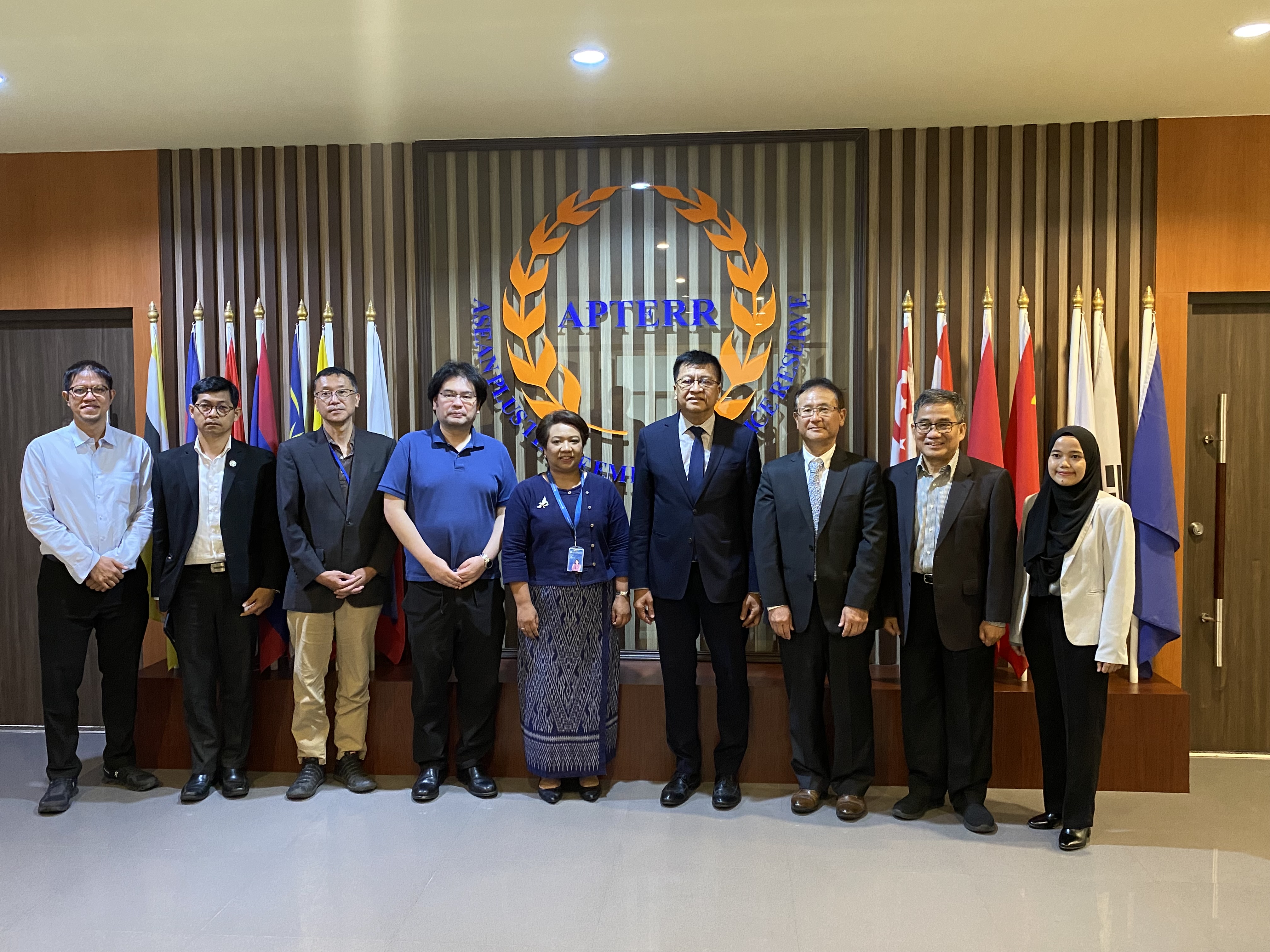
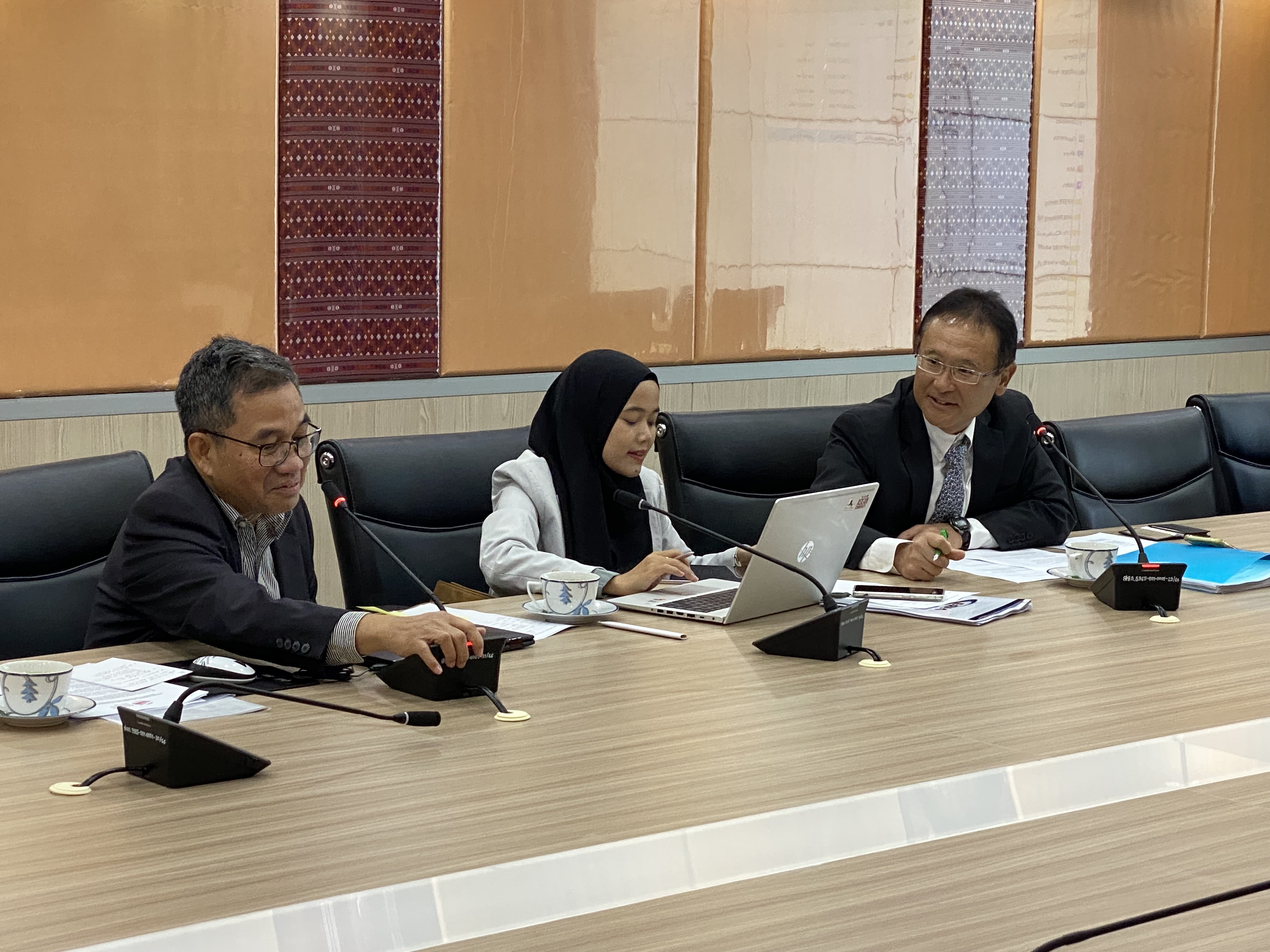
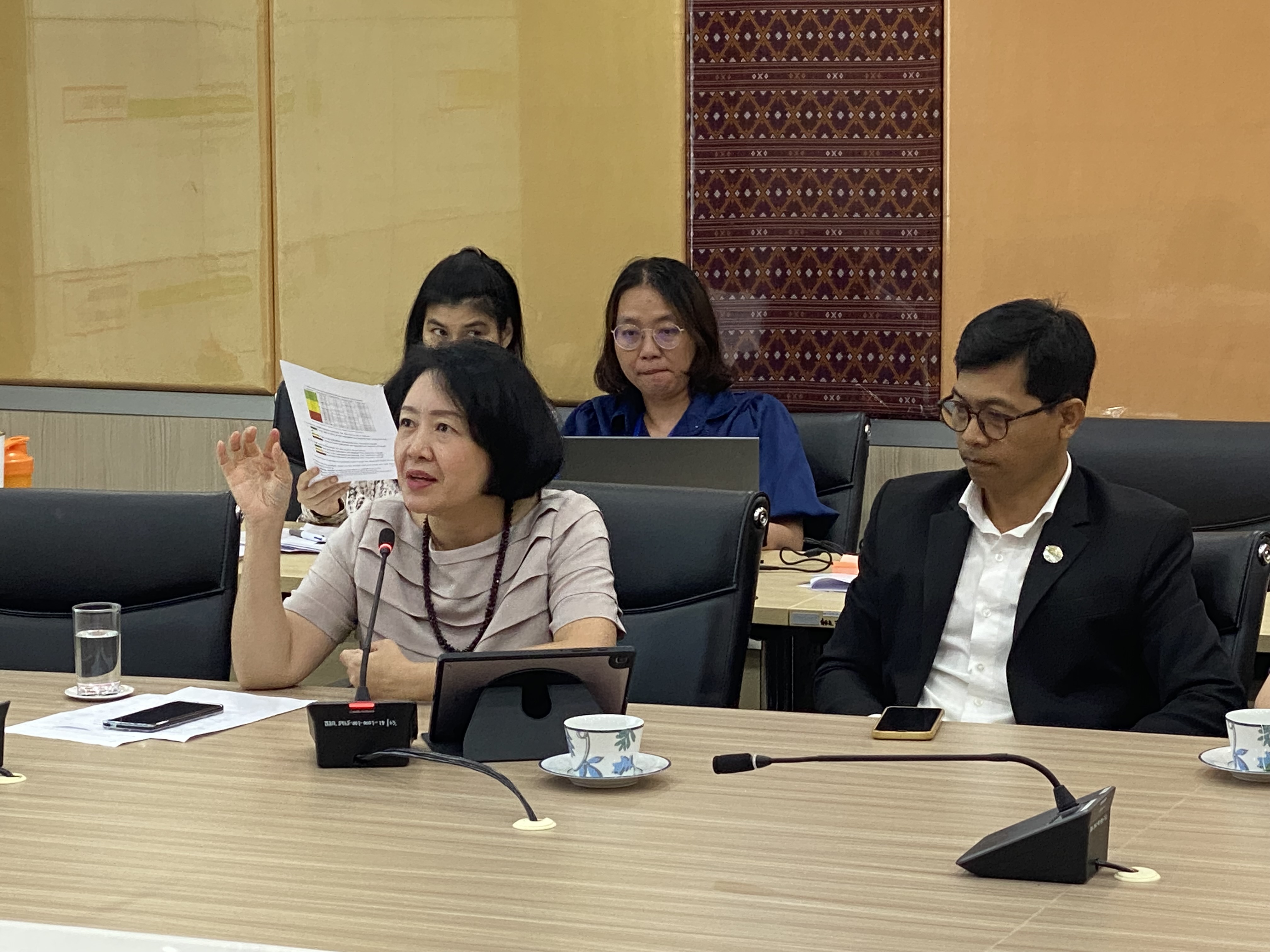
On 28 June 2024, the AFSIS Secretariat was invited to join a significant meeting with the Economic Research Institute for ASEAN and East Asia (ERIA) and the ASEAN Plus Three Emergency Rice Reserve (APTERR) Secretariat. The meetings aimed to discuss potential collaboration for exploring the LRBFR and to learn from their experiences over more than 10 years of operating the regional emergency rice reserve and the food security-related information-sharing system. which collaborative by Representatives from the Office of Agricultural Economics (OAE) of Thailand also participated in the discussion.
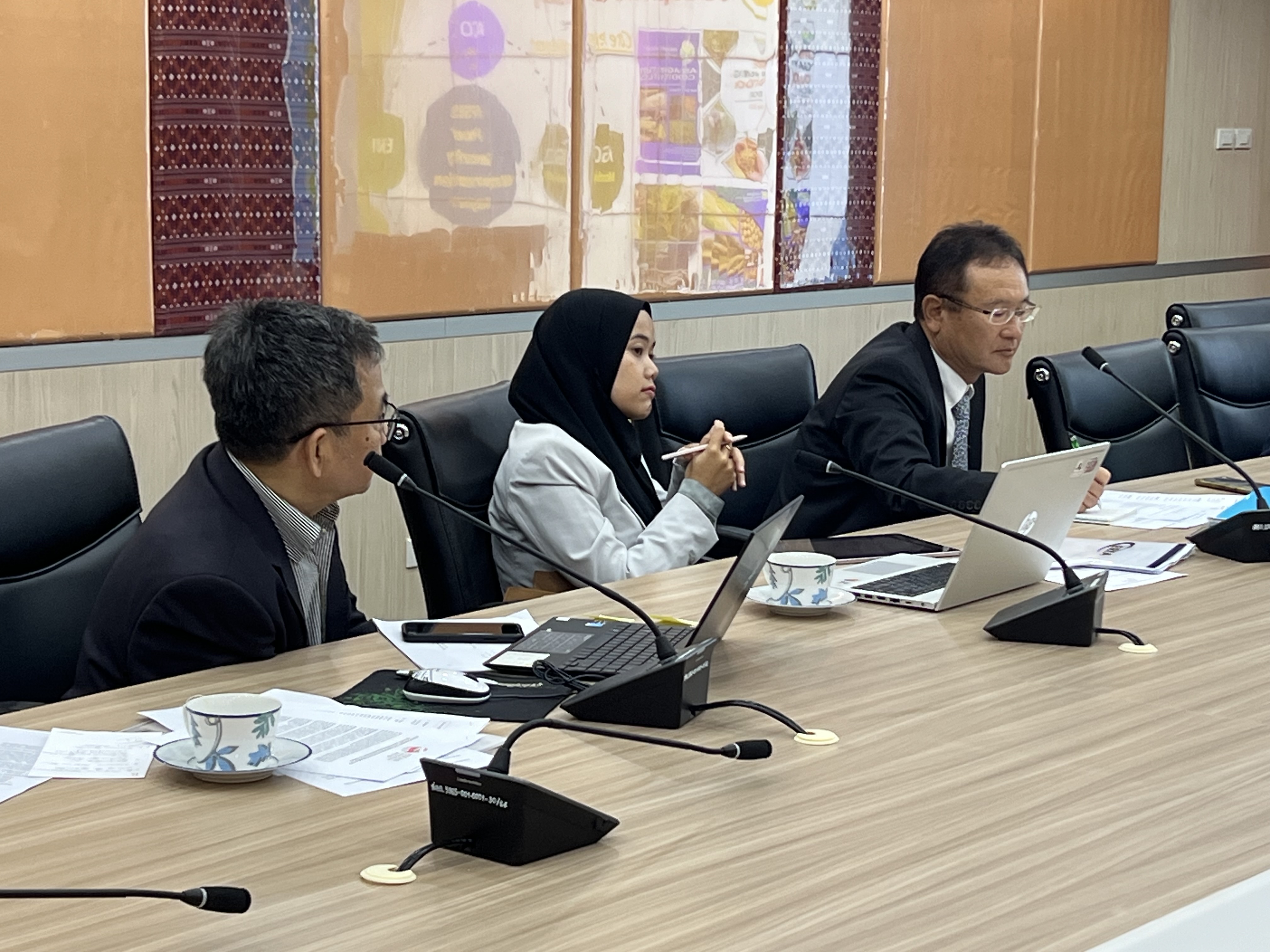
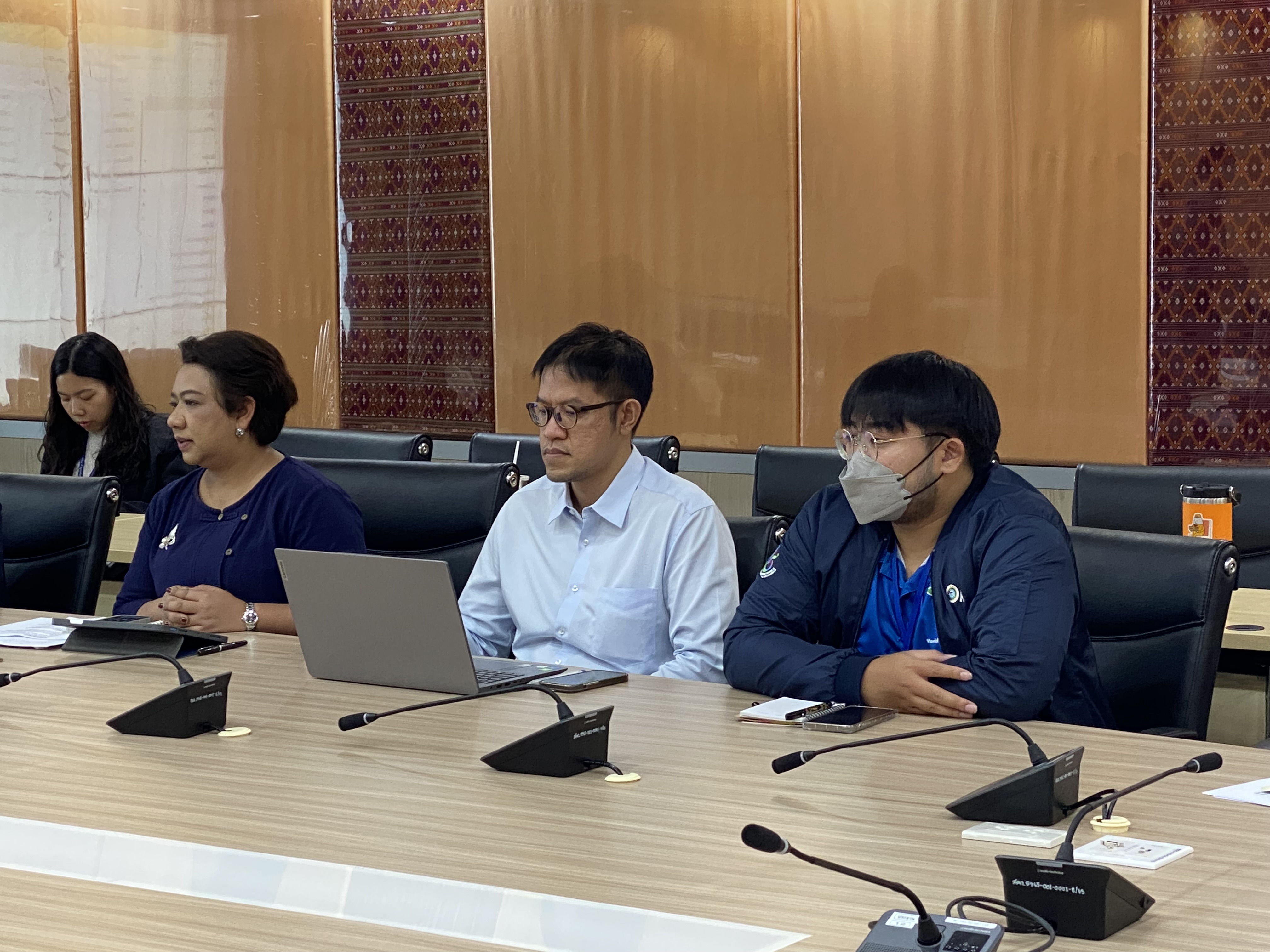
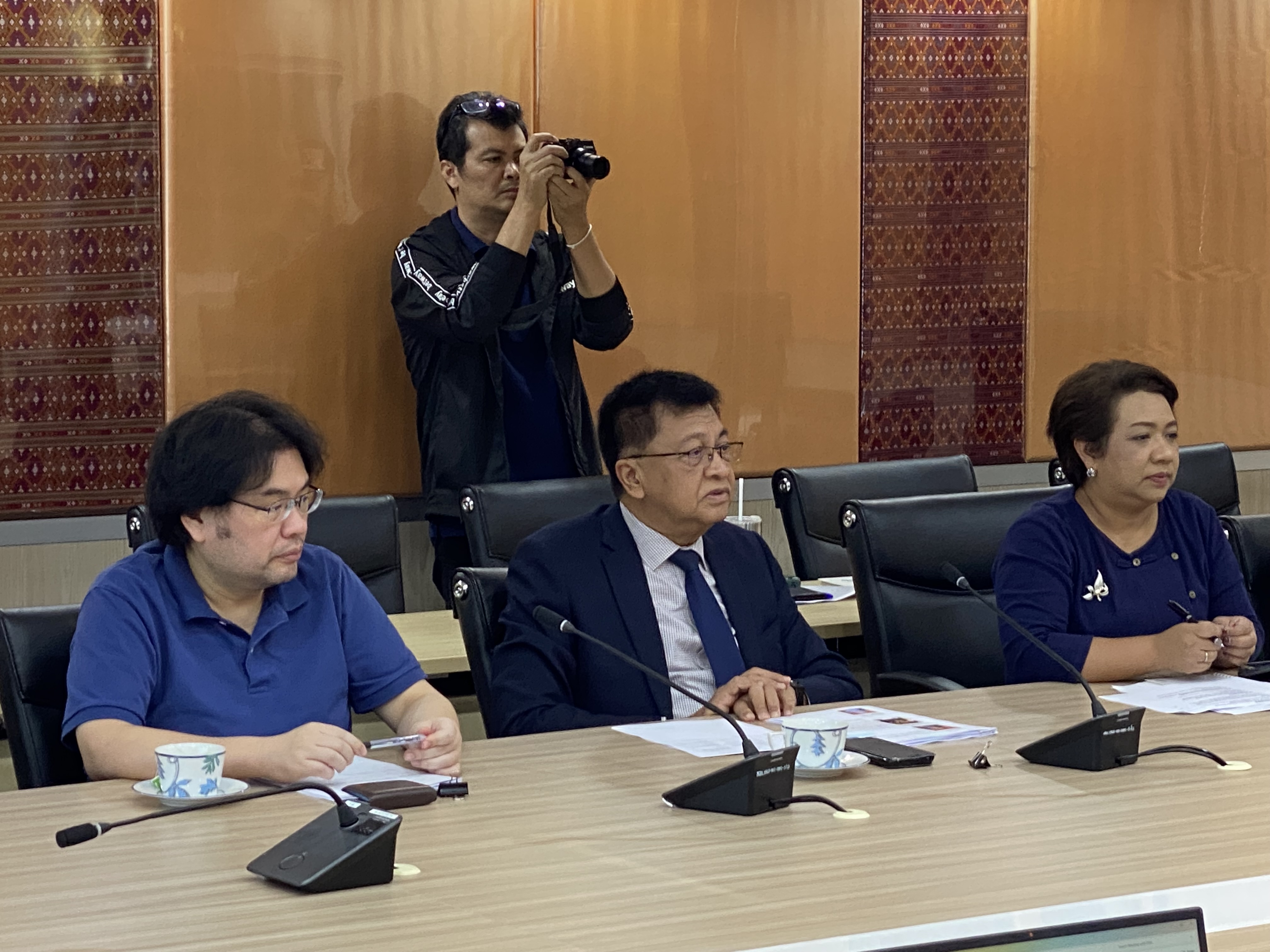
The meeting was structured into 4 main sessions:
ERIA Presentation: Mr.Masanori Kozono, Senior Policy Fellow of ERIA provided a concise overview of the study's background, objectives,the team involved, and the expected outcomes. During his presentation, he emphasized the need for guidance and support from ASEAN Member States, and the APTERR and AFSIS secretariat. Following this, Prof. Achmad Suryana presented the outline of the country study, underscoring the importance of learning from national experiences with the APTERR Mechanism and food reserve systems at the country level.
APTERR Presentation: Dr. Choomjet Karnjanakesorn APTERR manager discussed their activities, including the disbursement mechanisms for rice reserves (Tier 1, Tier 2, and Tier 3), financial needs for operations, strategies for the quick release of emergency food reserves and Food Emergency Monitoring and Information (FEMI) that cooperate utilize data from AFSIS
AFSIS Presentation: Dr. Sumanya Ngandee, AFSIS Manager, provided an overview of AFSIS operations, highlighting its role in enhancing food security information across ASEAN Plus Three countries. She discussed AFSIS mechanisms, its contributions to the ASEAN Integrated Food Security Framework (AIFS) and the Strategic Plan of Action on Food Security in the ASEAN Region (SPA-FS) 2021-2025, Moreover, she presented the progress of the establishment of a permanent mechanism for the sustainability of AFSIS.
Ms. Pasinee Napombejra, an expert on Public Sector Development from the Office of Agricultural Economics (OAE), presentation on the Provincial Crops Calendar for Food Security and Nutrition, during the session. The presentation highlighted the current situation in Thailand and introduced the OAE statistical database
Following the meeting, the ERIA team acknowledged the pivotal role of AFSIS and appreciated its comprehensive activities, recognizing their potential for further development and benefit to the ASEAN Member States. They expressed eagerness for continued collaboration with AFSIS and the other organizations involved.

The AFSIS Secretariat participated in the 10th International Conference on Agricultural Statistics (ICAS X), held from 8 to 10 July 2026 at the ICE Krakow Congress Centre in Krakow, Poland. Jointly organized by Statistics Poland, Eurostat, the United States Department of Agriculture (USDA), the World Bank Group, and the Food and Agriculture Organization of the United Nations (FAO).
.JPG)
On 24–25 June 2026, AFSIS Secretariat participated in the 46th Meeting of the ASEAN Food Security Reserve Board (AFSRB) via a virtual conference. The Meeting was jointly organized by the AFSRB Secretariat and the Department of Agriculture (DOA), Ministry of Agriculture, Livestock and Irrigation (MOALI) of the Republic of the Union of Myanmar, and was hosted in Nay Pyi Taw, Myanmar.

On 17–18 June 2026, the 24th AFSIS Focal Point Meeting was successfully convened via video conference, hosted by the Philippine Statistics Authority (PSA) in collaboration with the ASEAN Food Security Information System (AFSIS) Secretariat.
.jpg)
The ASEAN Food Security Information System (AFSIS) Secretariat, in collaboration with the Ministry of Agriculture, Forestry and Fisheries (MAFF) Japan, Japan Aerospace Exploration Agency (JAXA), Remote Sensing Technology Center of Japan (RESTEC), and Geo-Informatics and Space Technology Development Agency (GISTDA), conducted the 2nd Hands-on Training Courses for Agricultural Statisticians, the Final Workshop, and the 2nd Seminar for Executive Officials under the JAIF Project entitled “Improvement of Rice Paddy Area Statistics and Damage Assessment using Earth Observation Satellites for ASEAN” in Sriracha, Chonburi Province, and Bangkok, Thailand.

