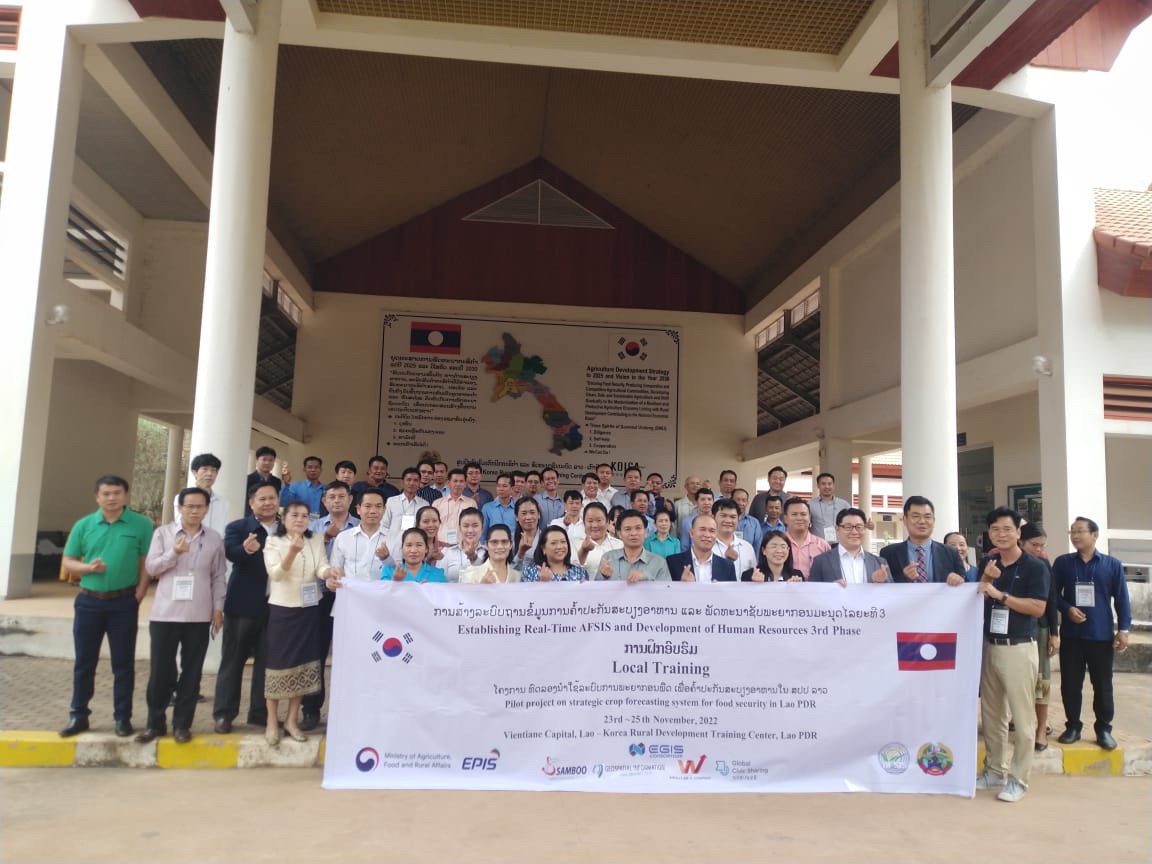
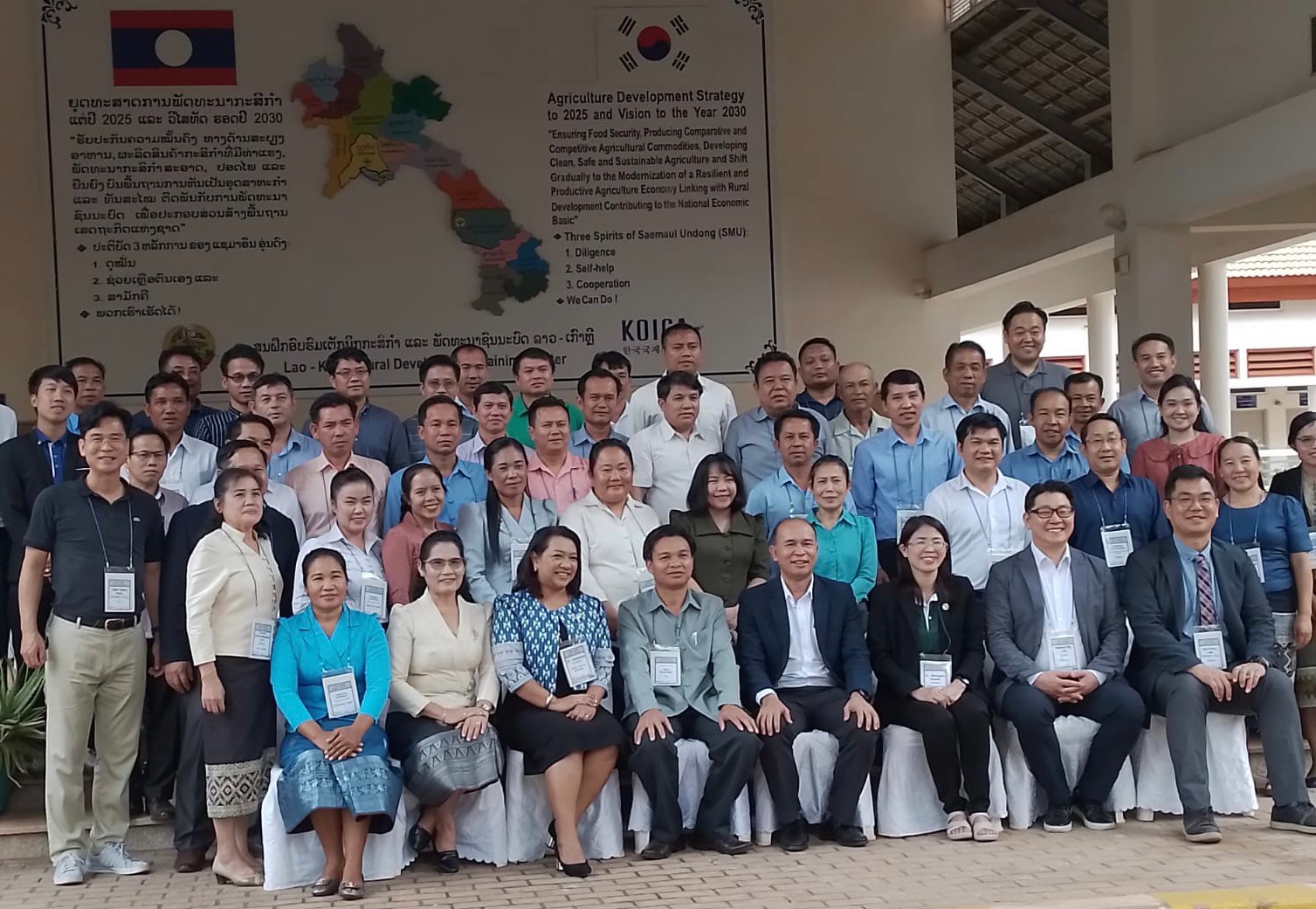
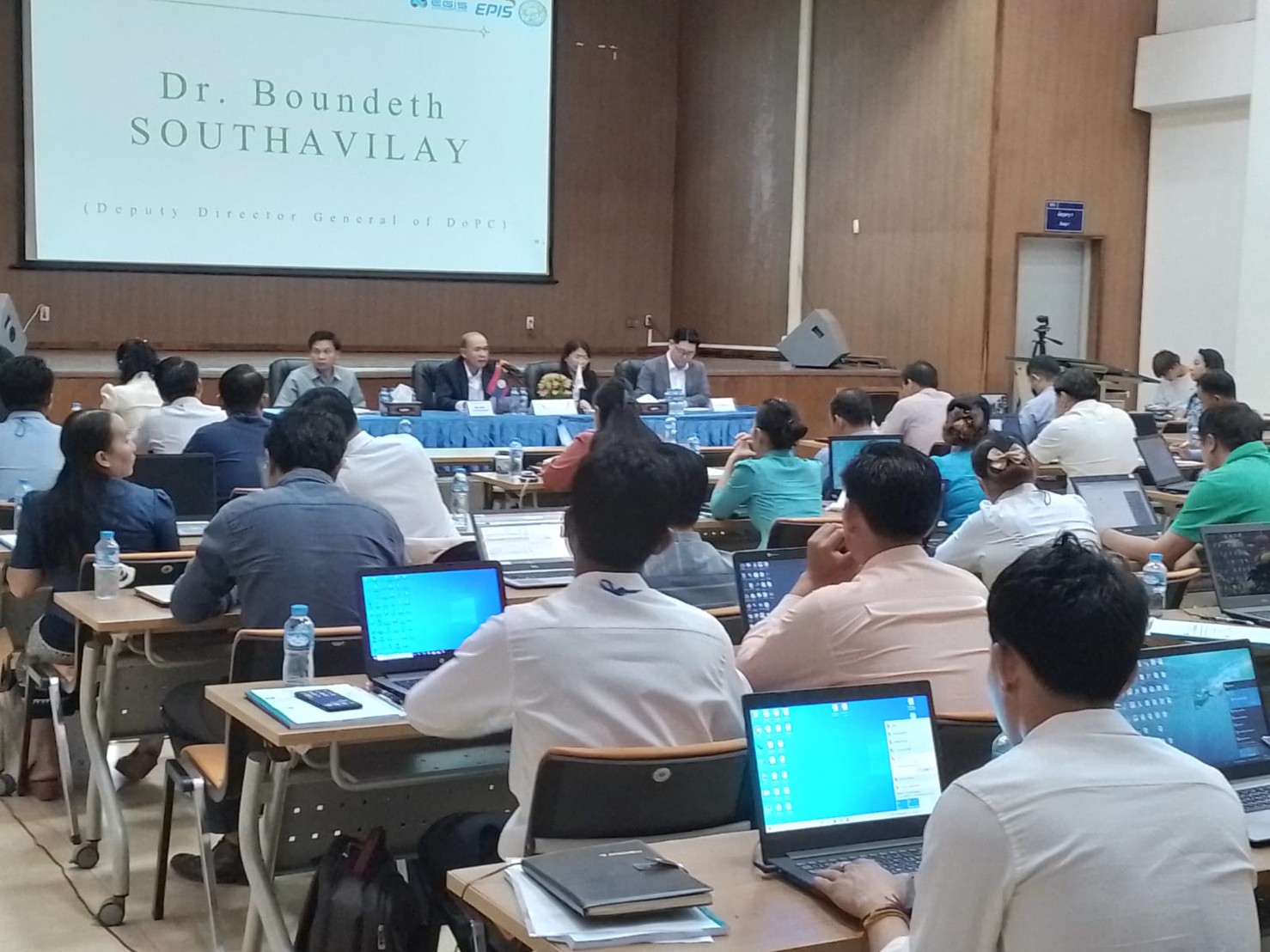
The Korea Agency of Education, Promotion and Information Service in Food, Agriculture, Forestry and Fisheries (EPIS), funded and organized the Local Training on Establishing Real-Time AFSIS and Development of Human Resources 3rd Phase Project during 23-25 November 2022, in Vientiane, Lao PDR. Additionally, the training was provided by the EGIS consortium as the instructors.
There was a total of 50 candidates from Lao PDR as governance officers in charge of food security and agricultural food data. The representatives of the AFSIS Secretariat were Dr. Waraporn Saelee, AFSIS Manager, and Dr. Sumanya Ngandee, Deputy AFSIS Manager participated in this training.
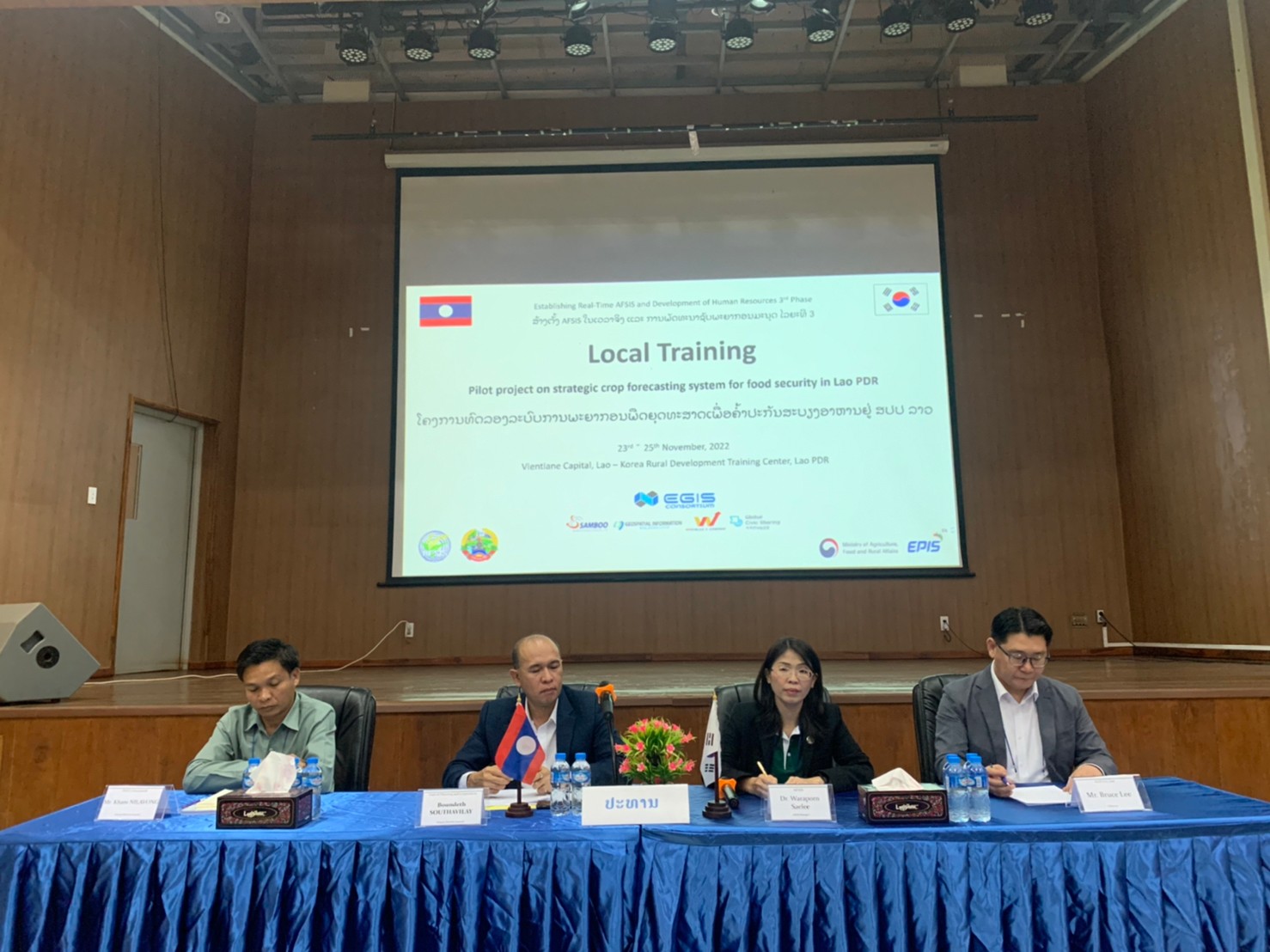
During the opening session of the training program, Dr. Boundeth SOUTHAVILAY, Deputy Director General of Department of Planning and Cooperation, Ministry of Agriculture and Forestry was honored with opening remarks. In addition, Dr. Waraporn Saelee, AFSIS Manager, Mr. Kham NILAVONG, Deputy Director General of Champasak Provincial of Agriculture and Forestry Office, as well as Mr. KWANG SE (Bruce), Lee, Global Chief Marketing Officer, EGIS company delivered welcoming remarks to all the participants.
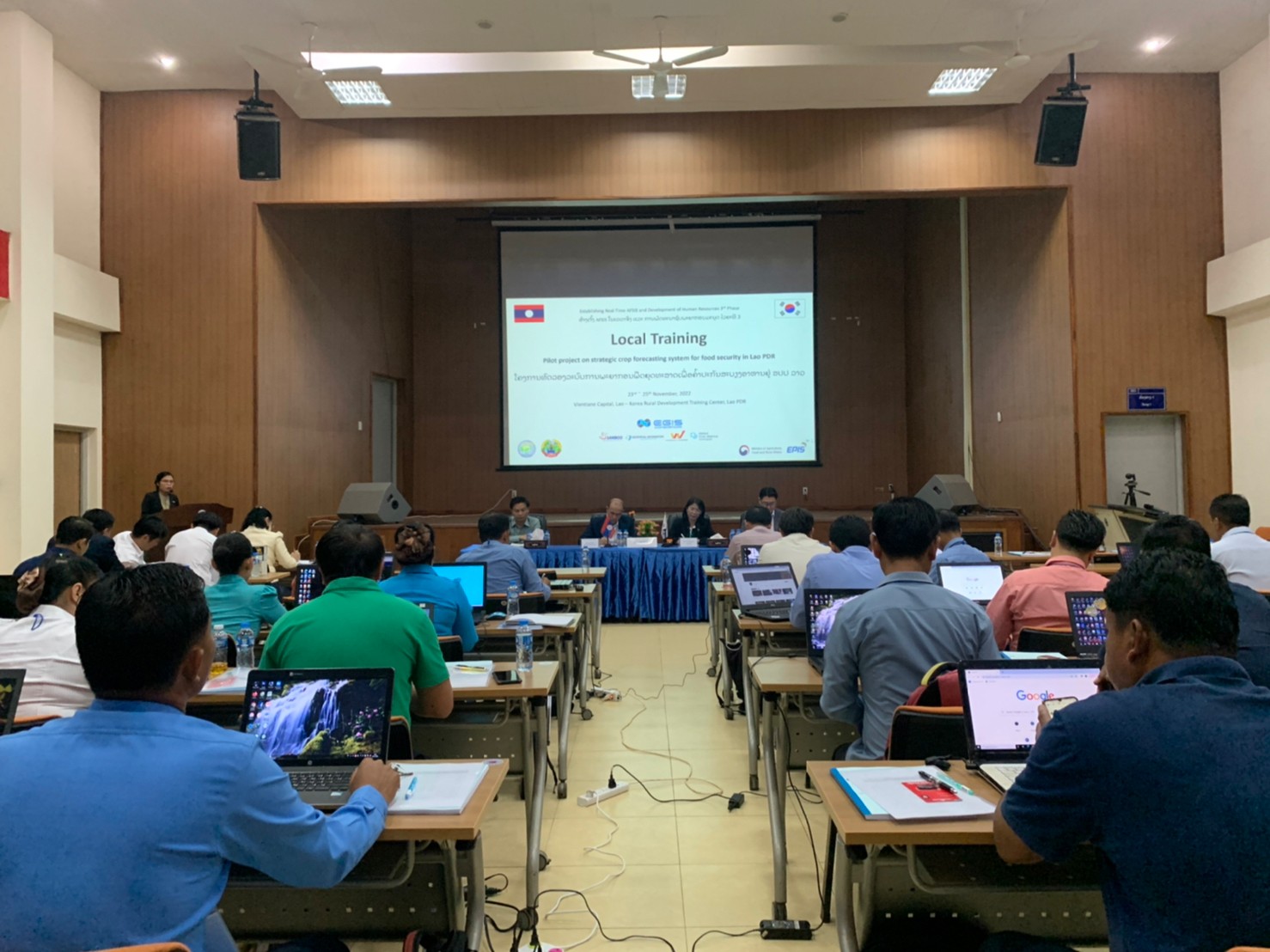
The main goal of this training program was to strengthen ICT human capabilities and data preparation on food security information under the Establishing Real-Time ASEAN Food Security Information System and Development Human Resources (Real-Time AFSIS Project) 3rd Phase. Furthermore, another goal aimed to report the performance of the implementation of the Real-Time AFSIS Project 3rd Phase in Lao PDR.
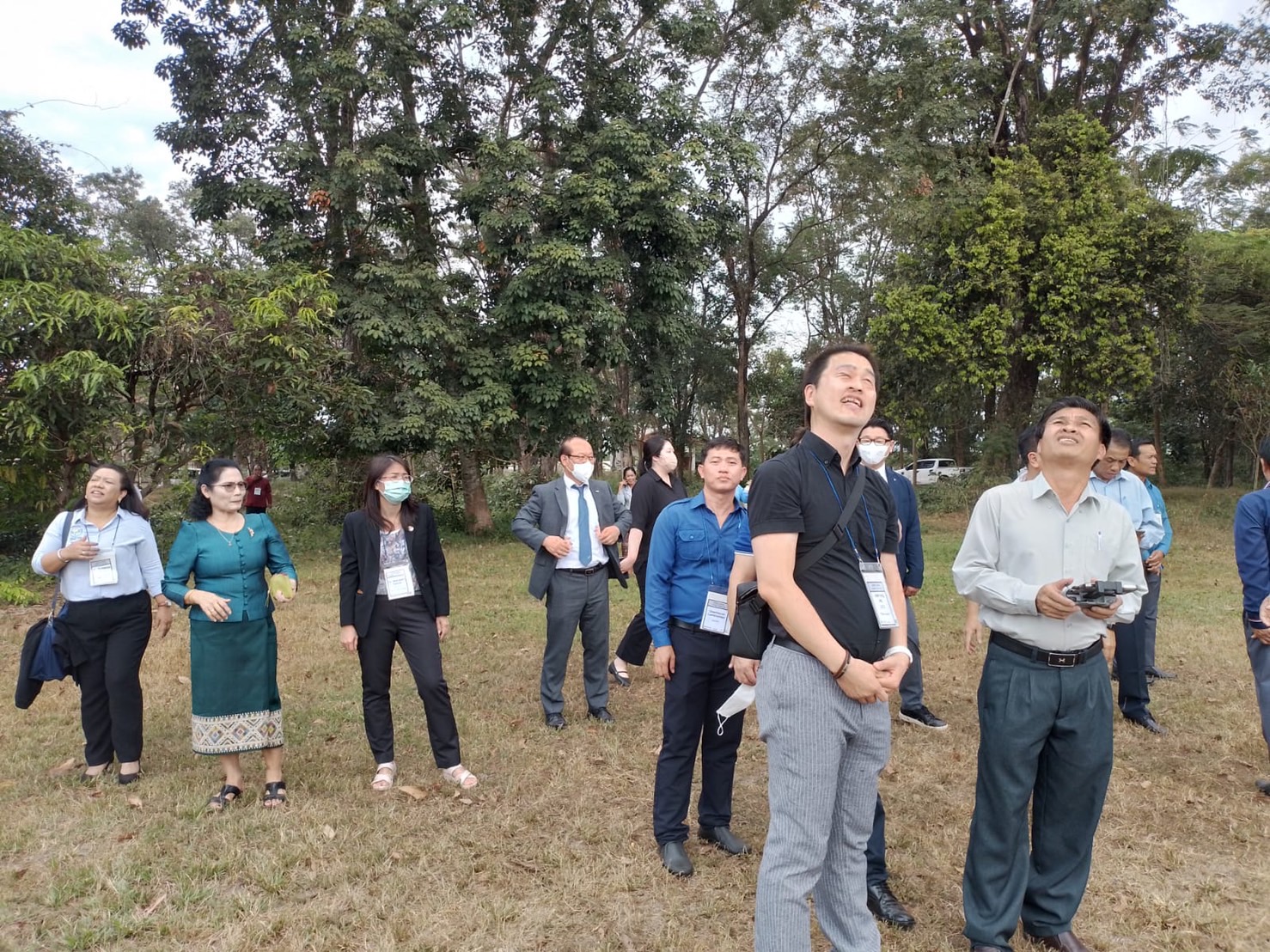
The training provided lessons on spatial information and also related technologies with Forecasting Model in the agriculture sector. Furthermore, the attendees gained not only knowledge on the utilization of related technologies but also did practical training with drone surveys, analyzing the drone images, and utilization of analyzed data.
The training was successfully completed with great collaboration from all participants. In this regard, AFSIS will keep supporting and collaborating with key organizations to enhance both the ASEAN Food Security Information System and the region's human resource development.

The AFSIS Secretariat participated in the 10th International Conference on Agricultural Statistics (ICAS X), held from 8 to 10 July 2026 at the ICE Krakow Congress Centre in Krakow, Poland. Jointly organized by Statistics Poland, Eurostat, the United States Department of Agriculture (USDA), the World Bank Group, and the Food and Agriculture Organization of the United Nations (FAO).
.JPG)
On 24–25 June 2026, AFSIS Secretariat participated in the 46th Meeting of the ASEAN Food Security Reserve Board (AFSRB) via a virtual conference. The Meeting was jointly organized by the AFSRB Secretariat and the Department of Agriculture (DOA), Ministry of Agriculture, Livestock and Irrigation (MOALI) of the Republic of the Union of Myanmar, and was hosted in Nay Pyi Taw, Myanmar.

On 17–18 June 2026, the 24th AFSIS Focal Point Meeting was successfully convened via video conference, hosted by the Philippine Statistics Authority (PSA) in collaboration with the ASEAN Food Security Information System (AFSIS) Secretariat.
.jpg)
The ASEAN Food Security Information System (AFSIS) Secretariat, in collaboration with the Ministry of Agriculture, Forestry and Fisheries (MAFF) Japan, Japan Aerospace Exploration Agency (JAXA), Remote Sensing Technology Center of Japan (RESTEC), and Geo-Informatics and Space Technology Development Agency (GISTDA), conducted the 2nd Hands-on Training Courses for Agricultural Statisticians, the Final Workshop, and the 2nd Seminar for Executive Officials under the JAIF Project entitled “Improvement of Rice Paddy Area Statistics and Damage Assessment using Earth Observation Satellites for ASEAN” in Sriracha, Chonburi Province, and Bangkok, Thailand.

