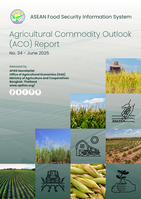
ACO Report 34
ACO Report 34
AFSIS provides statistical data on the agricultural commodity situation
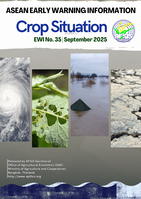
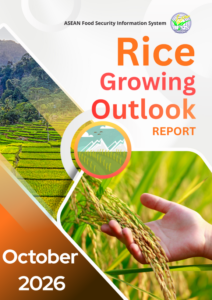
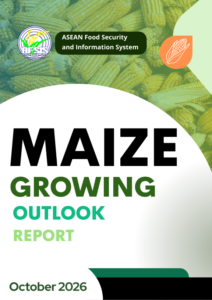
View more →AFSIS regularly issues publications on the agricultural commodity situation
View more →AFSIS offers Learning Programs and National Seminars related to Food Security Information System
View more →AFSIS focuses on six major agricultural commodities that are essential for food supply, agro-industry, and livestock feed in the region. Ours database helps governments, researchers, and policymakers monitor food supply and demand and make informed decisions on agriculture and food security. These commodities are:






Overview of Regional Agricultural Statistics
N/A = Not Available
A simple view of crop timelines across the year.

Empowering Decisions with Knowledge and Data Tools
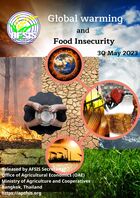
ACO Report 34
Tracking Regional Dynamics and Global Engagement
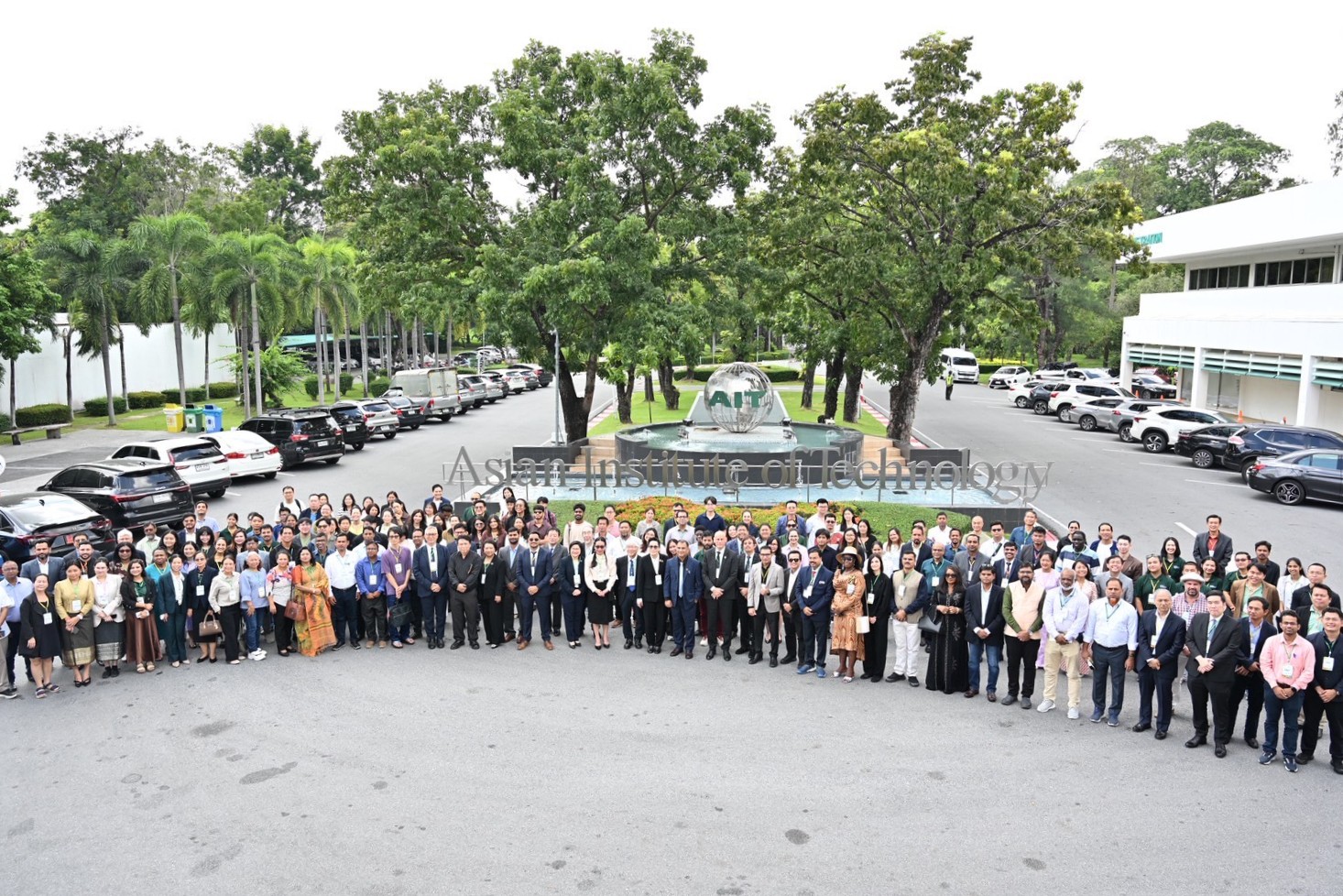
On 16 October 2026, the ASEAN Food Security Information System (AFSIS) Secretariat participated in the World Food Day 2026 Expert...
Read more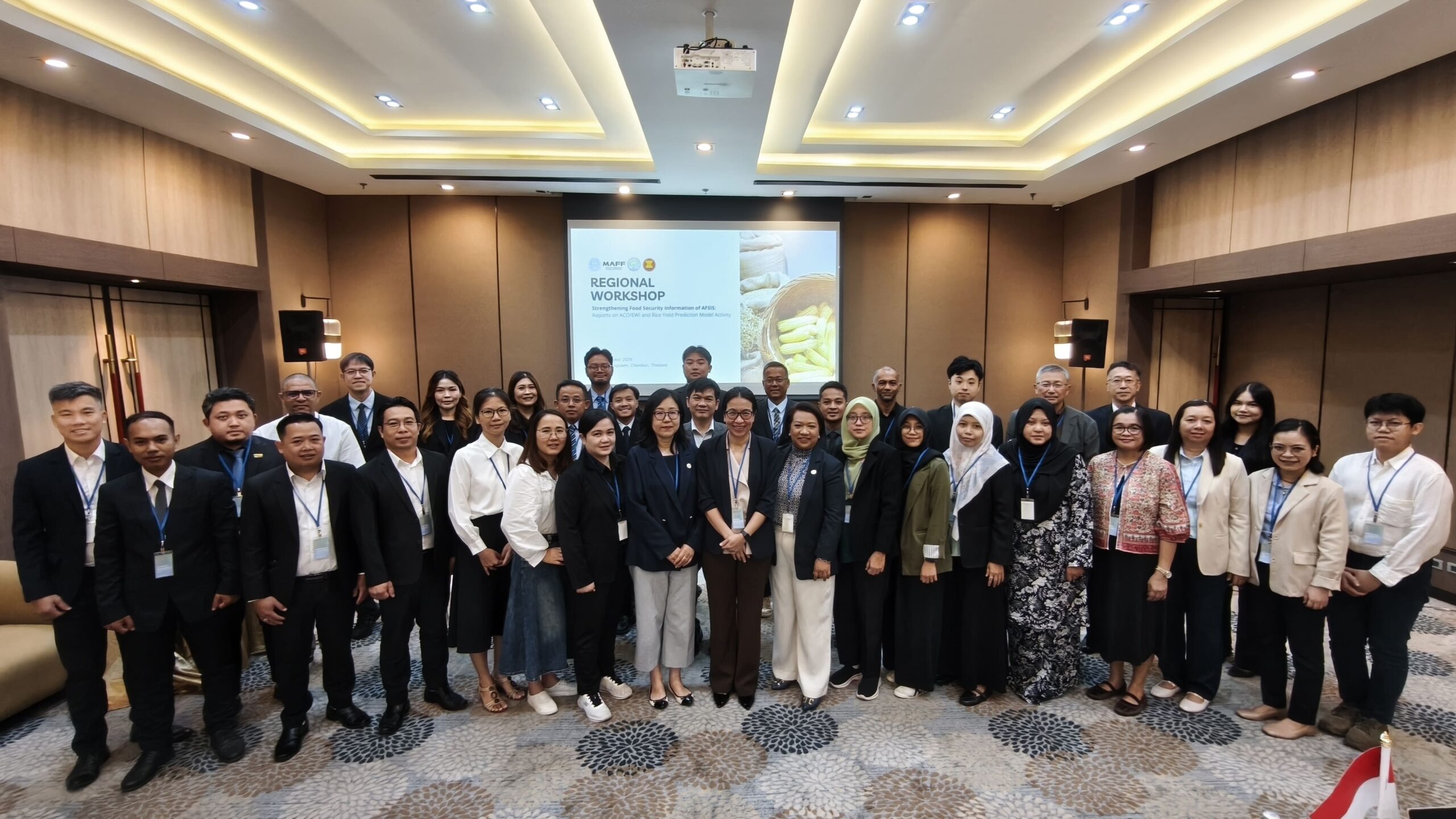
On 7–8 October 2026, at the Amari Bangsaen Hotel, Chonburi Province, Mr. Peerapun Khothong, Secretary-General of the Office of Agricultural...
Read more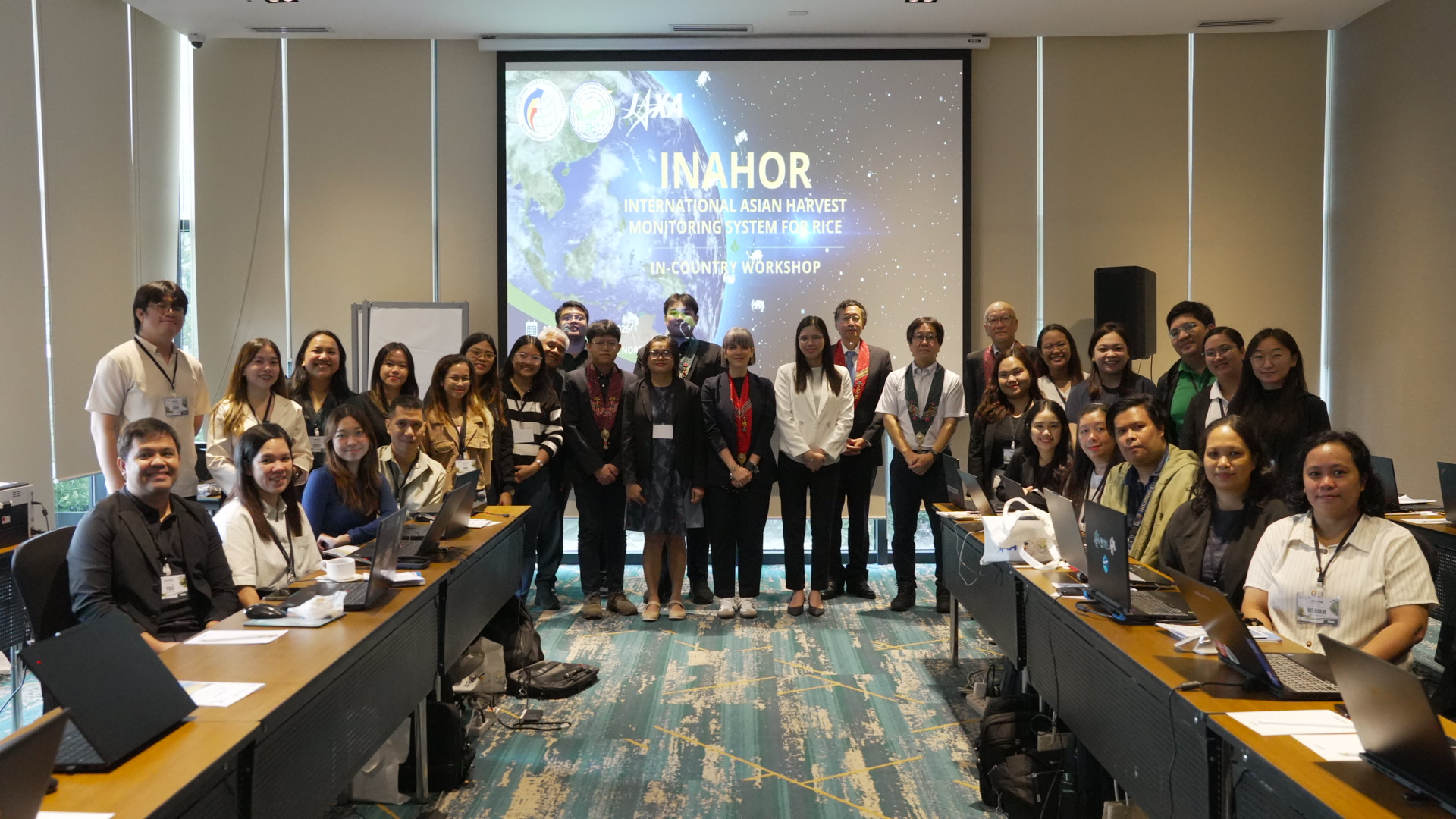
From 15–16 September 2026, the AFSIS Secretariat, in collaboration with the Japan Aerospace Exploration Agency (JAXA), Remote Sensing Technology Center...
Read moreBuilding Expertise and Tools to Drive Sustainable Agriculture