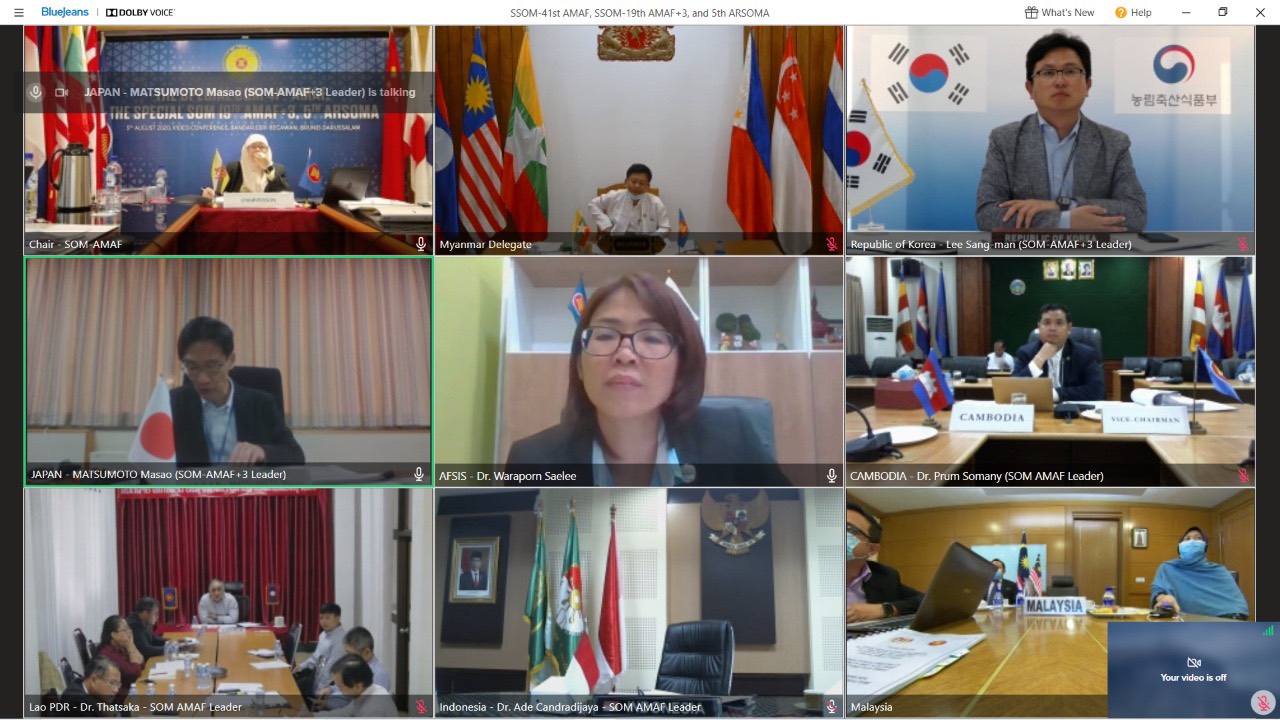
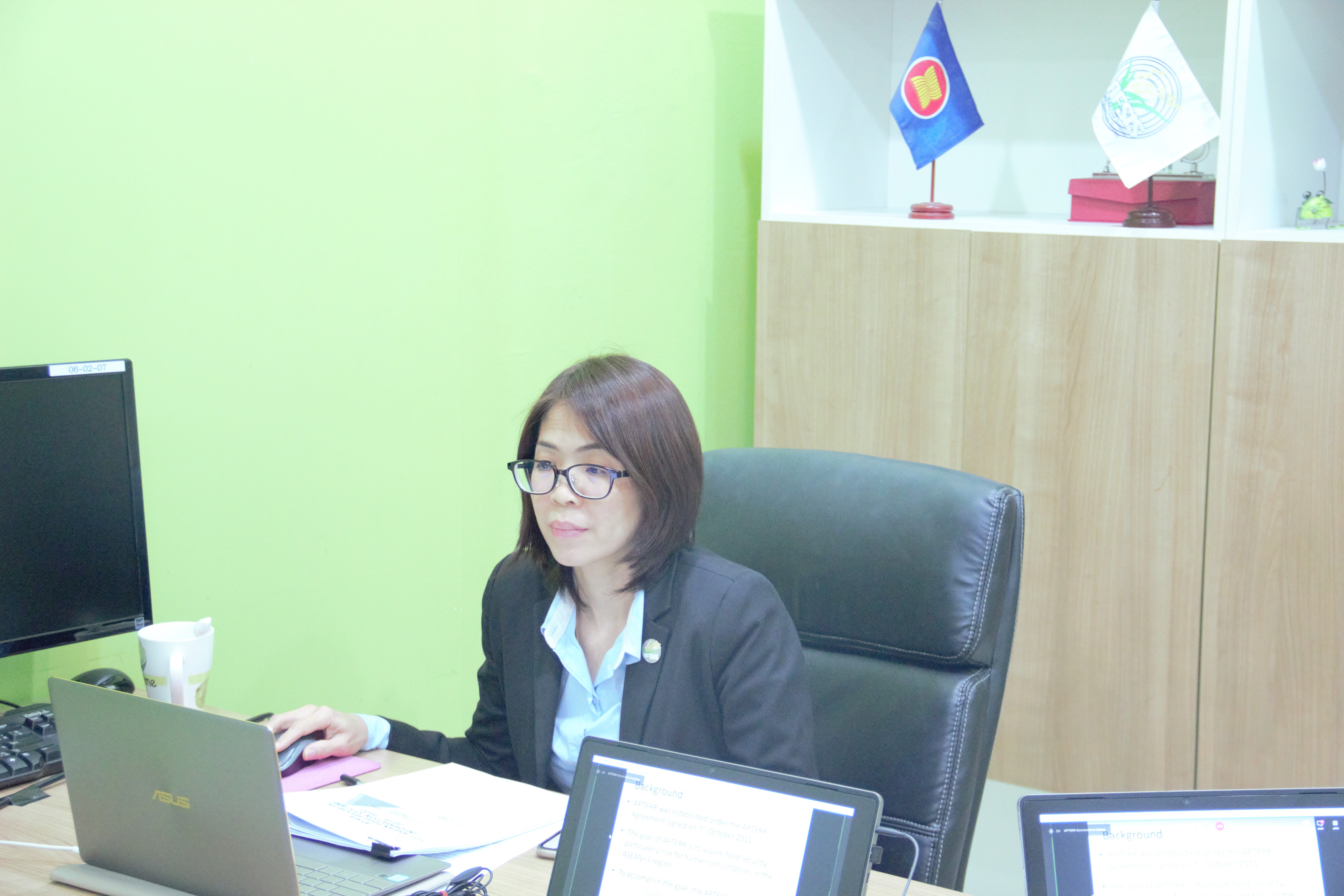
The Special Senior Officials Meeting of the 19th Meeting of the ASEAN Ministers on Agriculture and Forestry Plus Three (SSOM-19thAMAF+3) was held on 5 August 20202 via Video Conference. The host of the meeting was Brunei Darussalam, and it was organized by ASEAN Secretariat.
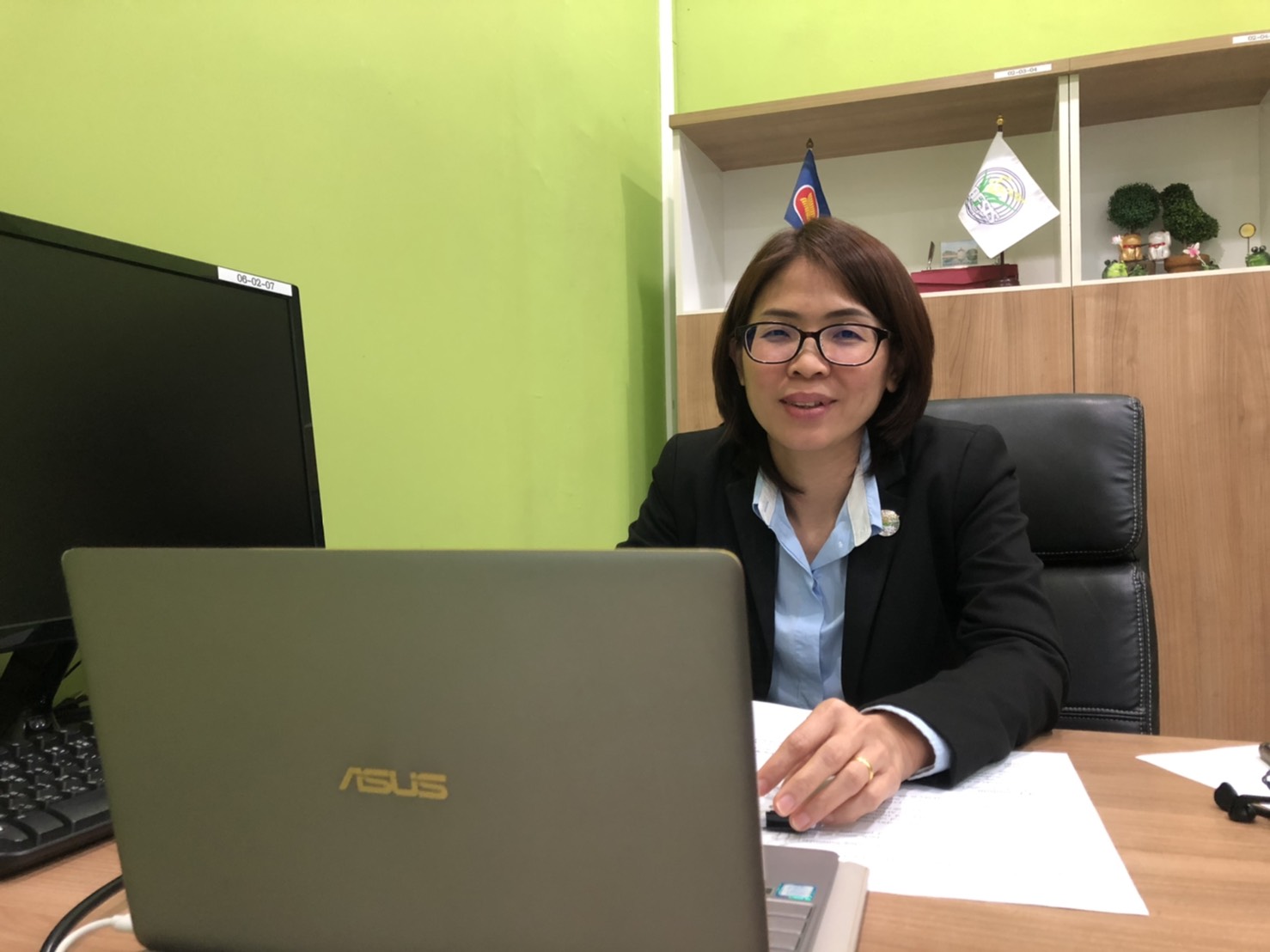
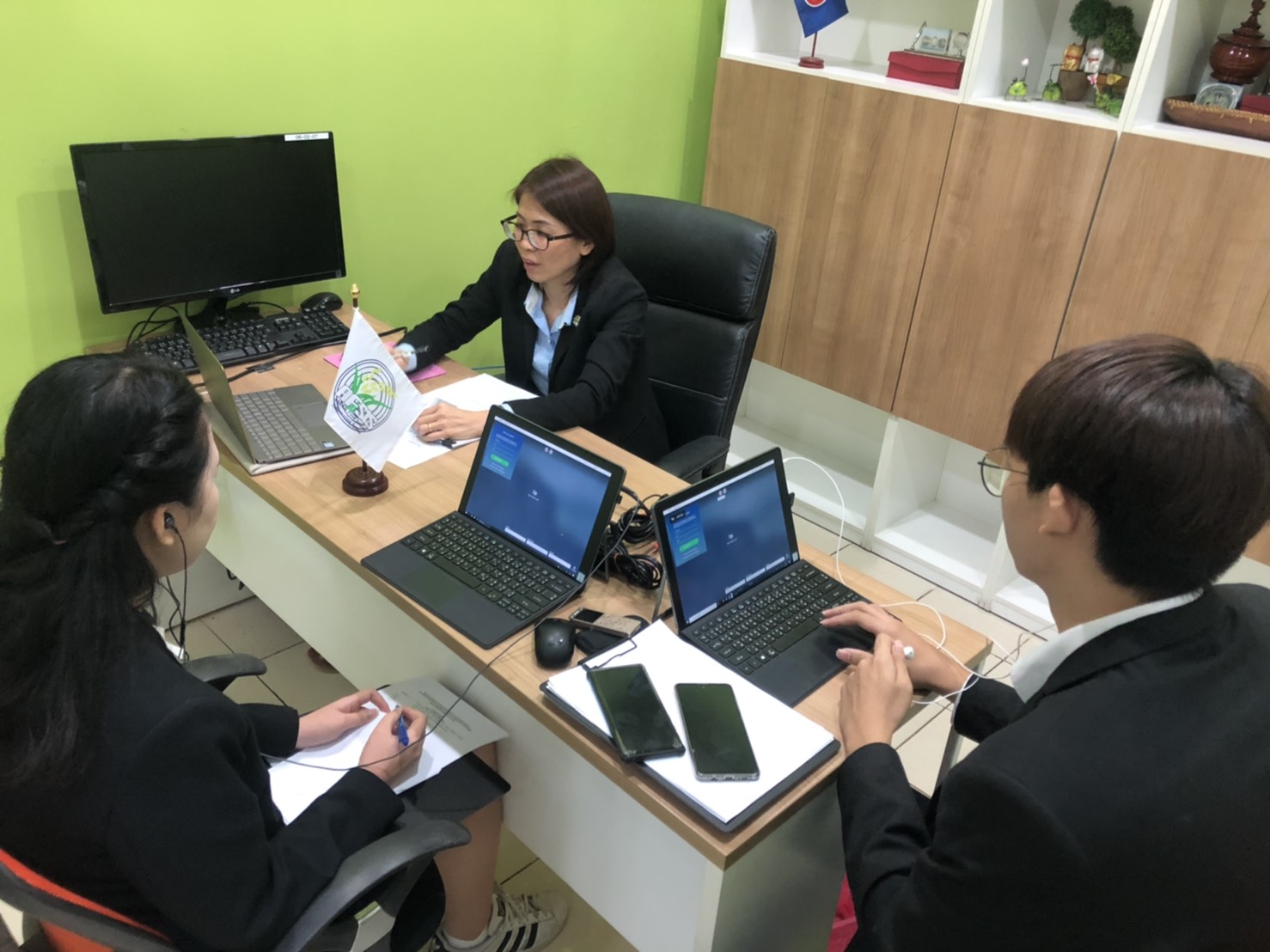
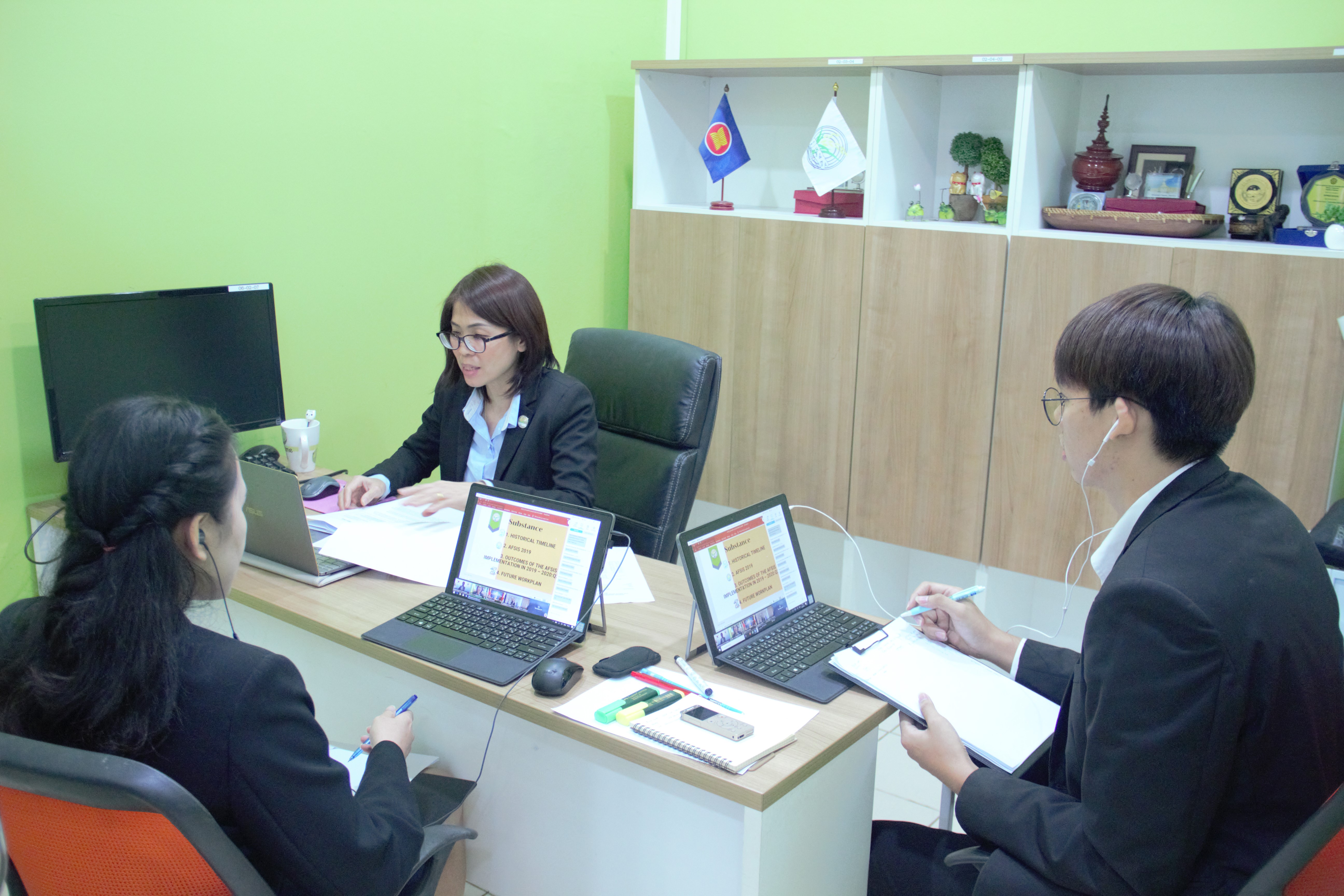
The attendant were SOM AMAF Leaders, SOM Leaders Plus Three Countries, ASEAN Secretariat, APTERR Secretariat and AFSIS Secretariat Representatives, Dr.Waraporn Saelee, AFSIS Manager, Ms.Thanchanok Pongputhinan, Statistician, Practitioner Level and Mr.Danudet Phuiponthan, Project coordinator.
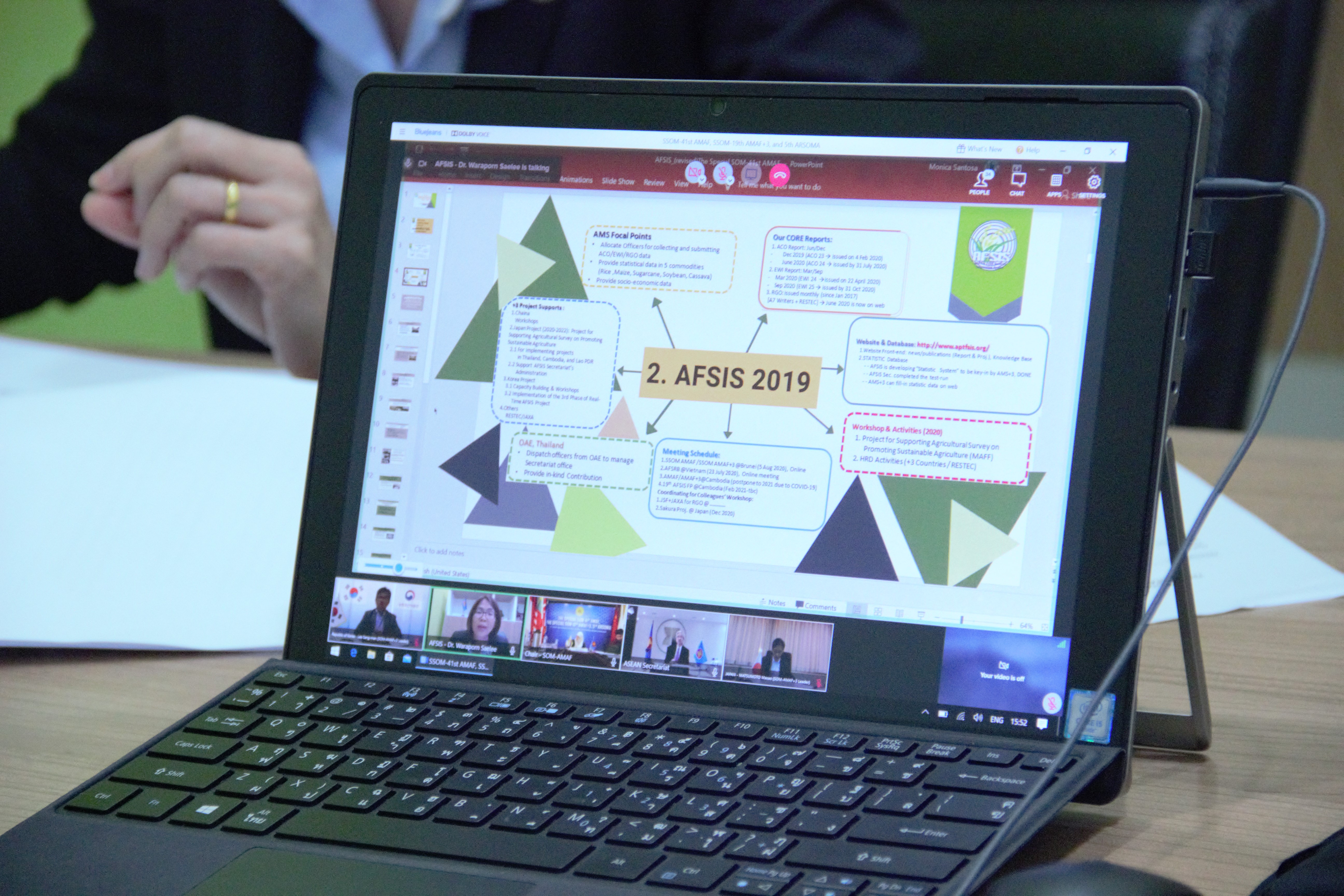
Dr.Waraporn Saelee presented the outcomes of AFSIS implementation on 2019-2020, focusing on the food security information development, human resources development and statistical data development on 5 main agricultural commodities in ASEAN, as well as the future work plan for 2021 and implementation plan of Project for Supporting Agricultural Survey on Promoting Sustainable Agriculture or SAS-PSA. She also highlighted the new AFSIS project namely Report and Disseminate the Information Regarding the Serious Disaster, in which Japan expected AFSIS to strengthen this project on rapid information dissemination when serious disaster occurs.
The Meeting noted that Japan’s commitment to continue support the activities of AFSIS.

The AFSIS Secretariat participated in the 10th International Conference on Agricultural Statistics (ICAS X), held from 8 to 10 July 2026 at the ICE Krakow Congress Centre in Krakow, Poland. Jointly organized by Statistics Poland, Eurostat, the United States Department of Agriculture (USDA), the World Bank Group, and the Food and Agriculture Organization of the United Nations (FAO).
.JPG)
On 24–25 June 2026, AFSIS Secretariat participated in the 46th Meeting of the ASEAN Food Security Reserve Board (AFSRB) via a virtual conference. The Meeting was jointly organized by the AFSRB Secretariat and the Department of Agriculture (DOA), Ministry of Agriculture, Livestock and Irrigation (MOALI) of the Republic of the Union of Myanmar, and was hosted in Nay Pyi Taw, Myanmar.

On 17–18 June 2026, the 24th AFSIS Focal Point Meeting was successfully convened via video conference, hosted by the Philippine Statistics Authority (PSA) in collaboration with the ASEAN Food Security Information System (AFSIS) Secretariat.
.jpg)
The ASEAN Food Security Information System (AFSIS) Secretariat, in collaboration with the Ministry of Agriculture, Forestry and Fisheries (MAFF) Japan, Japan Aerospace Exploration Agency (JAXA), Remote Sensing Technology Center of Japan (RESTEC), and Geo-Informatics and Space Technology Development Agency (GISTDA), conducted the 2nd Hands-on Training Courses for Agricultural Statisticians, the Final Workshop, and the 2nd Seminar for Executive Officials under the JAIF Project entitled “Improvement of Rice Paddy Area Statistics and Damage Assessment using Earth Observation Satellites for ASEAN” in Sriracha, Chonburi Province, and Bangkok, Thailand.

