
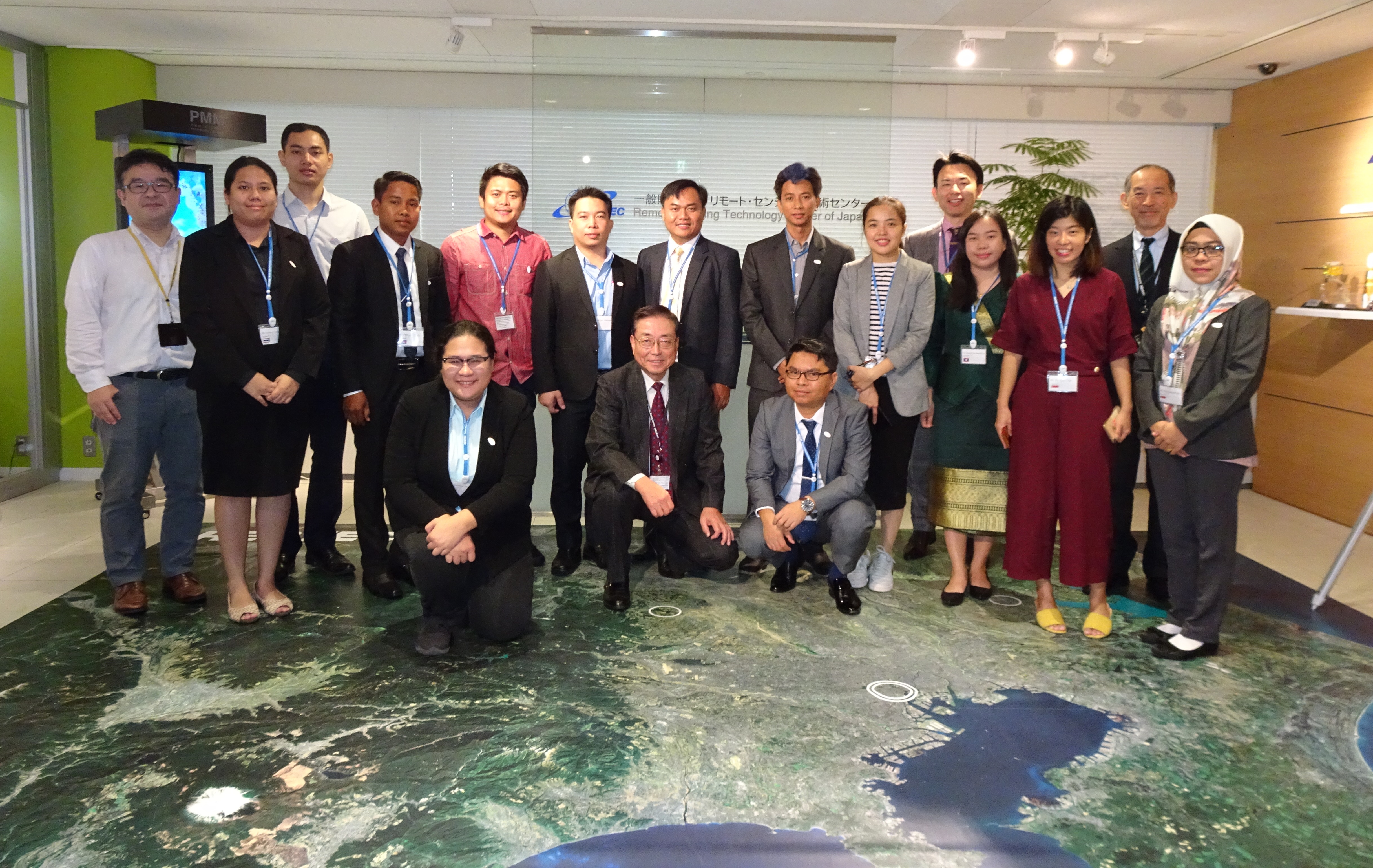
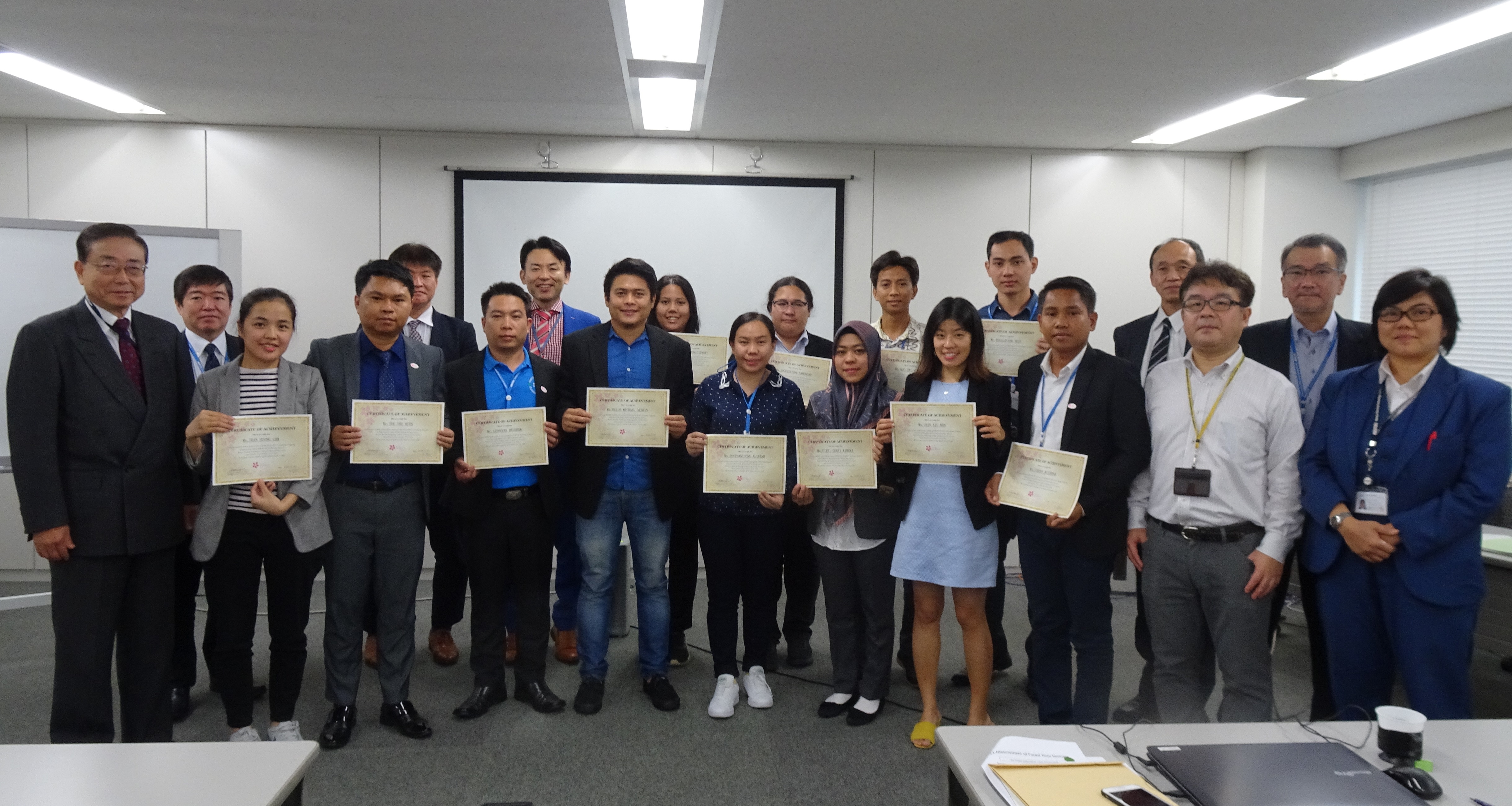
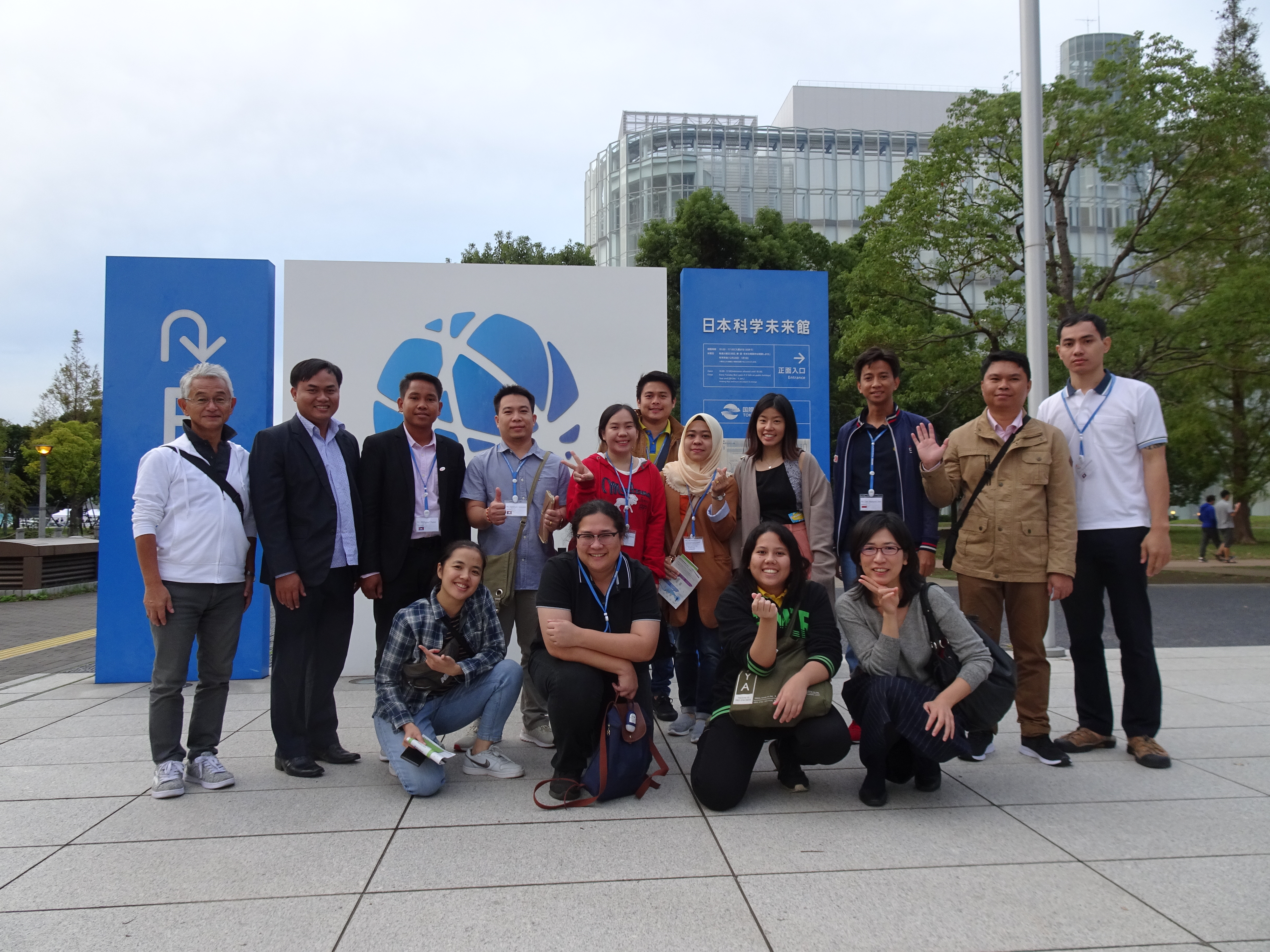
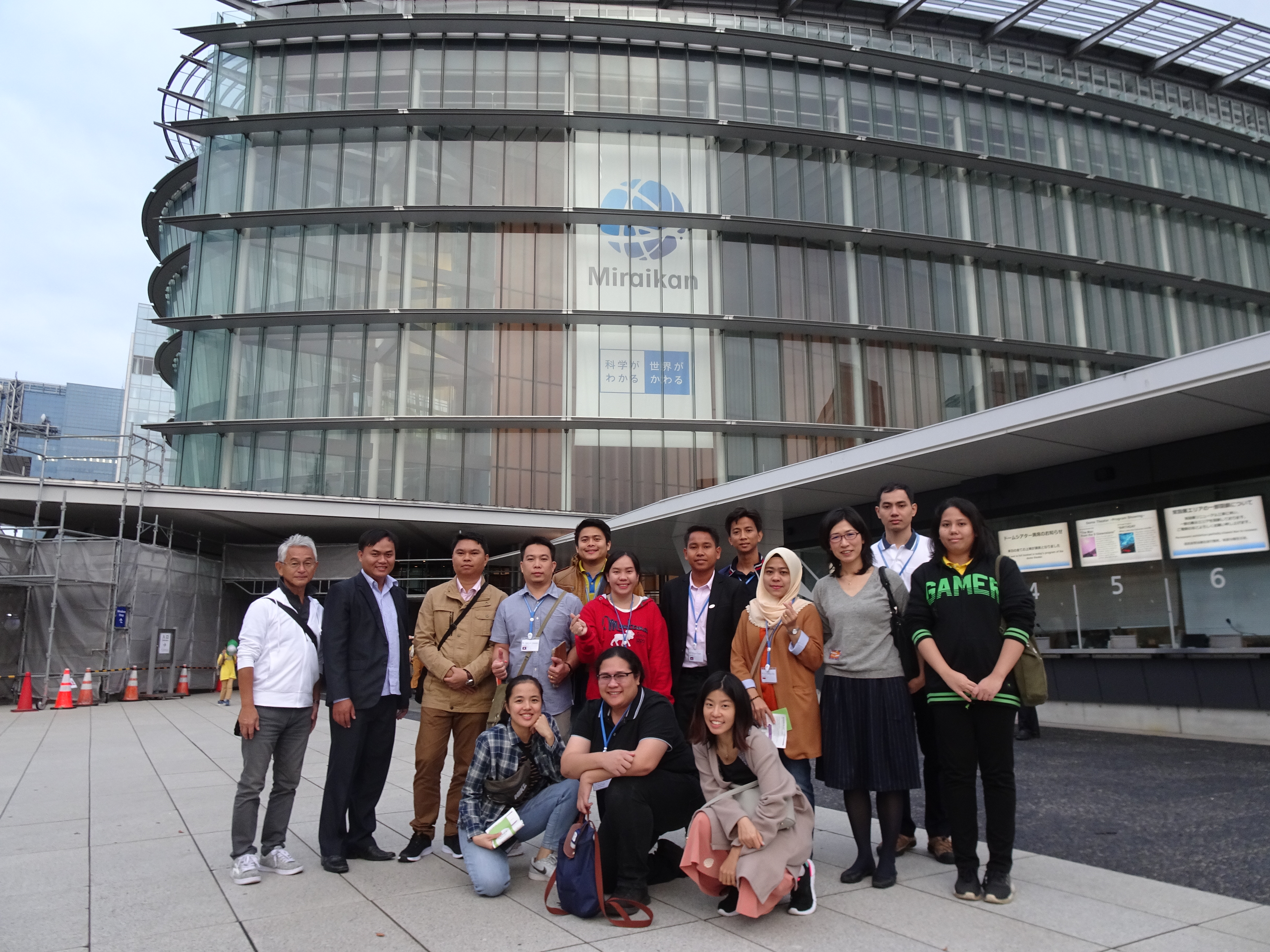
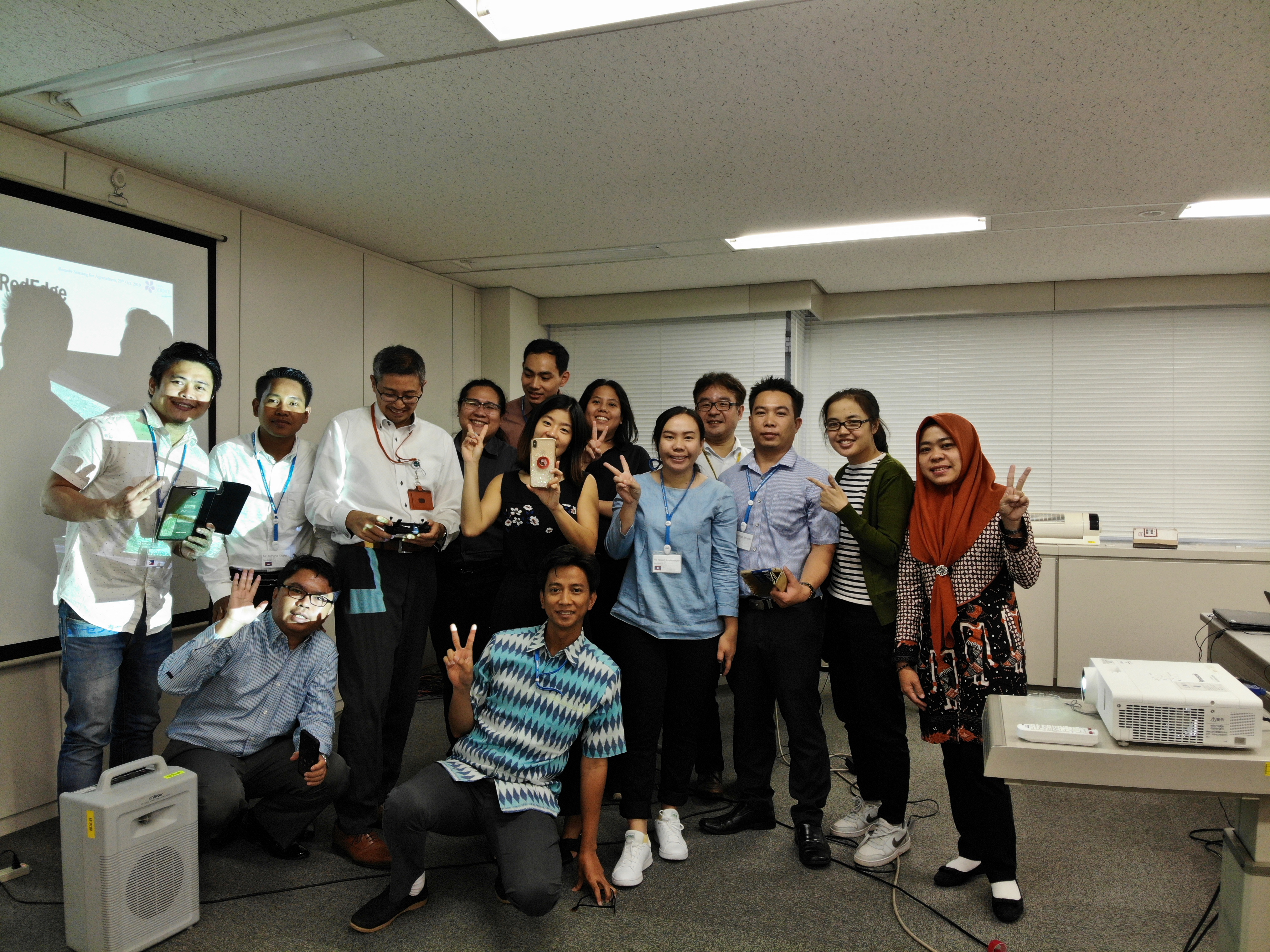
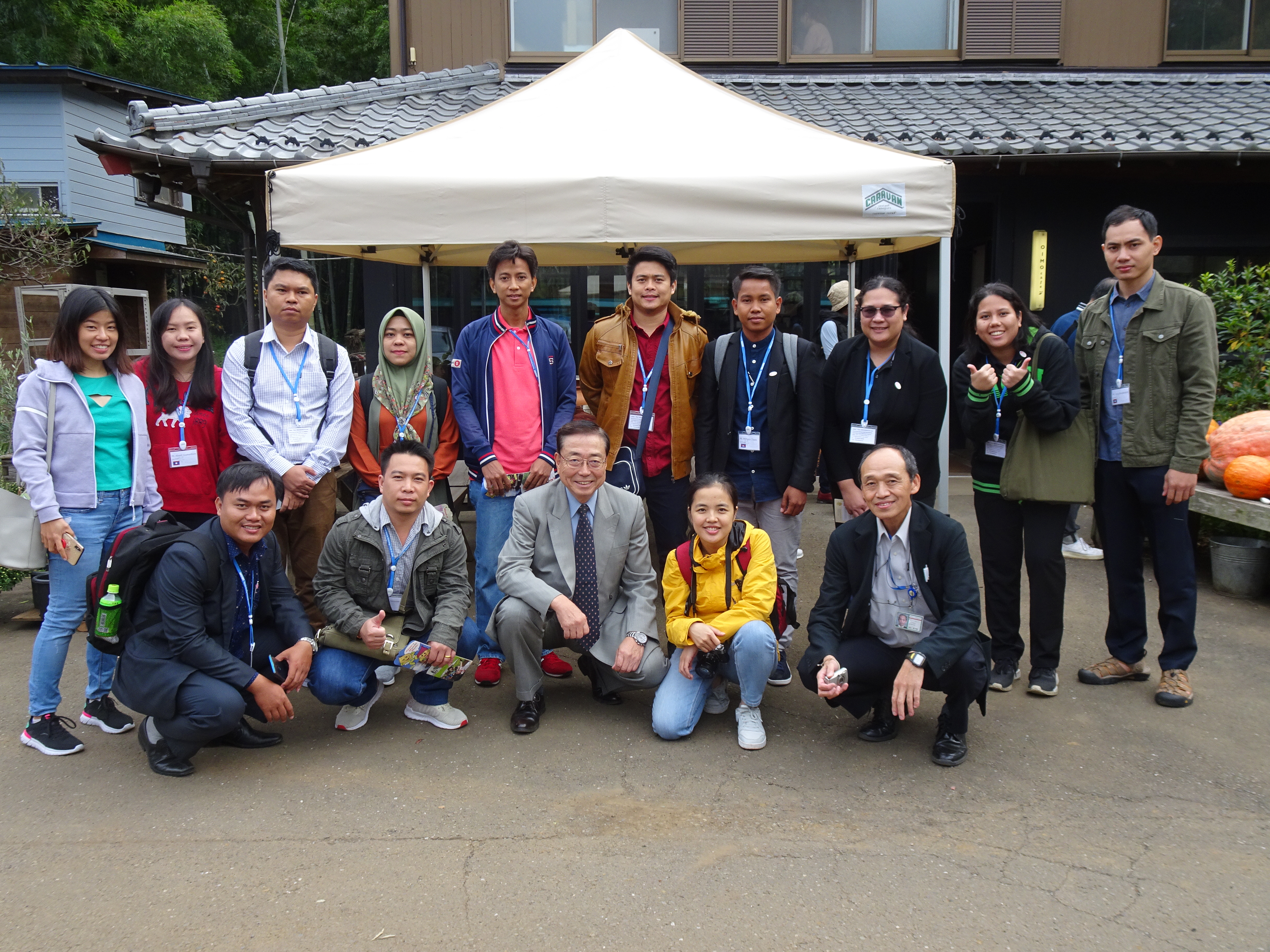
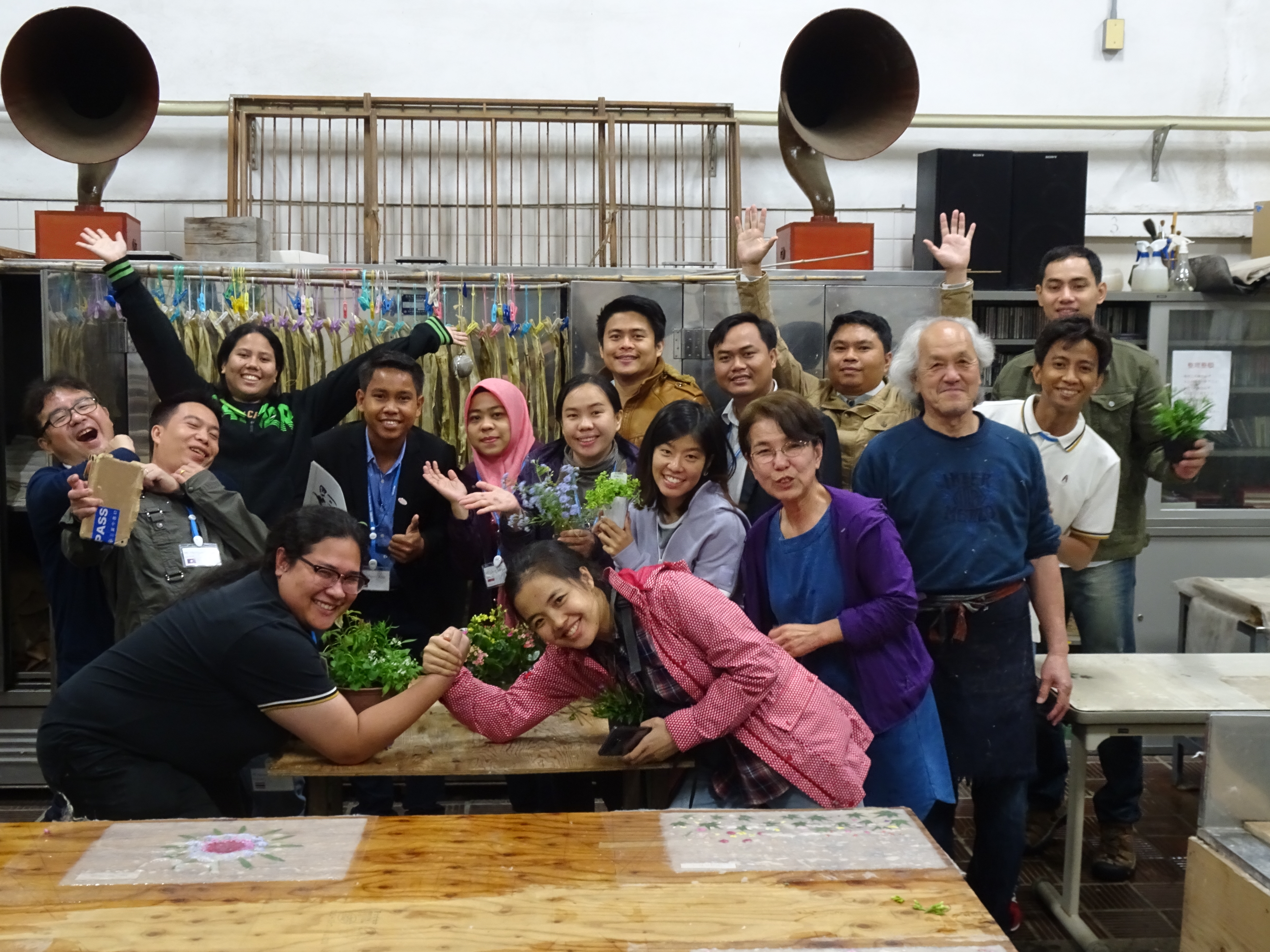
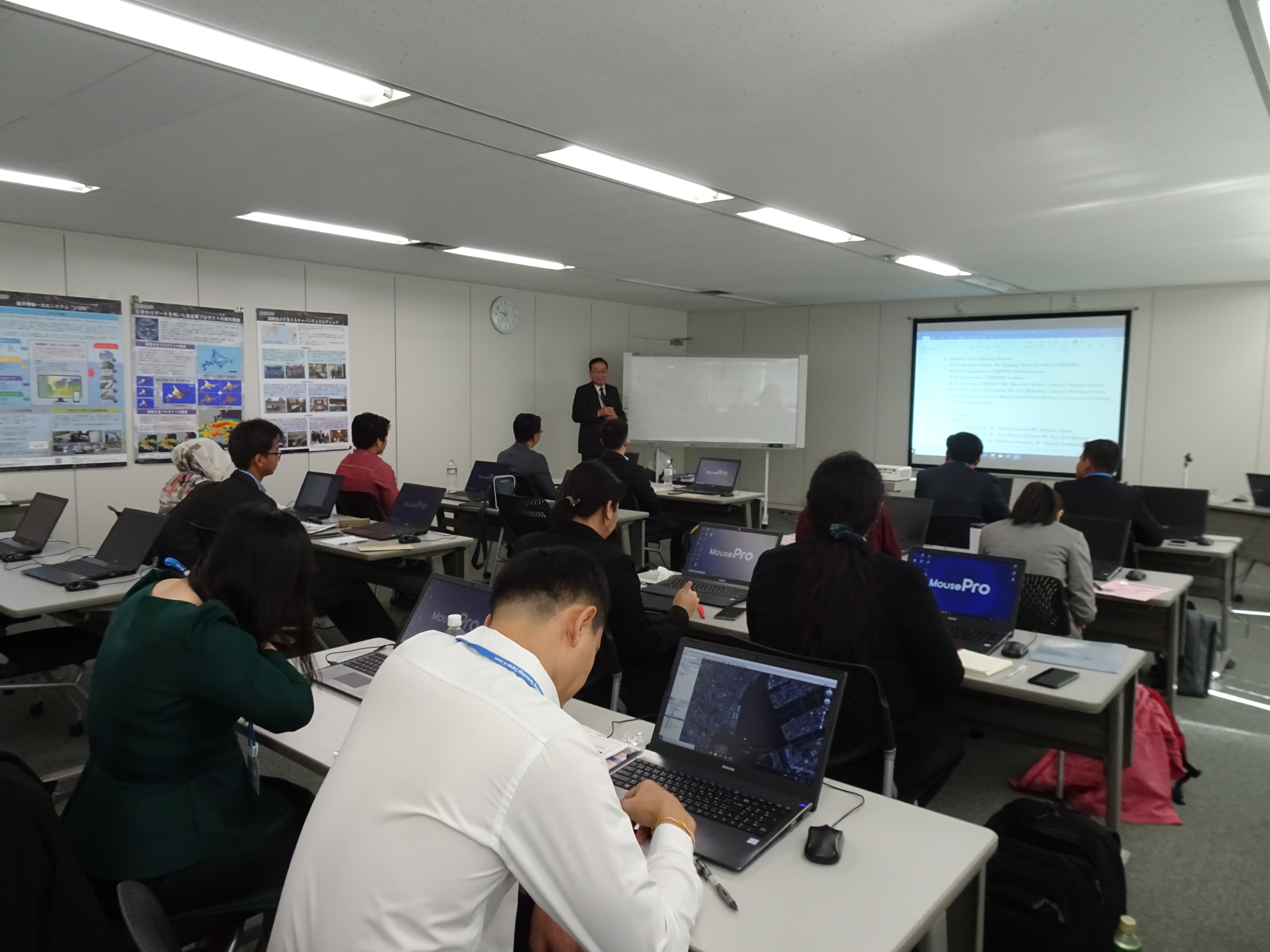
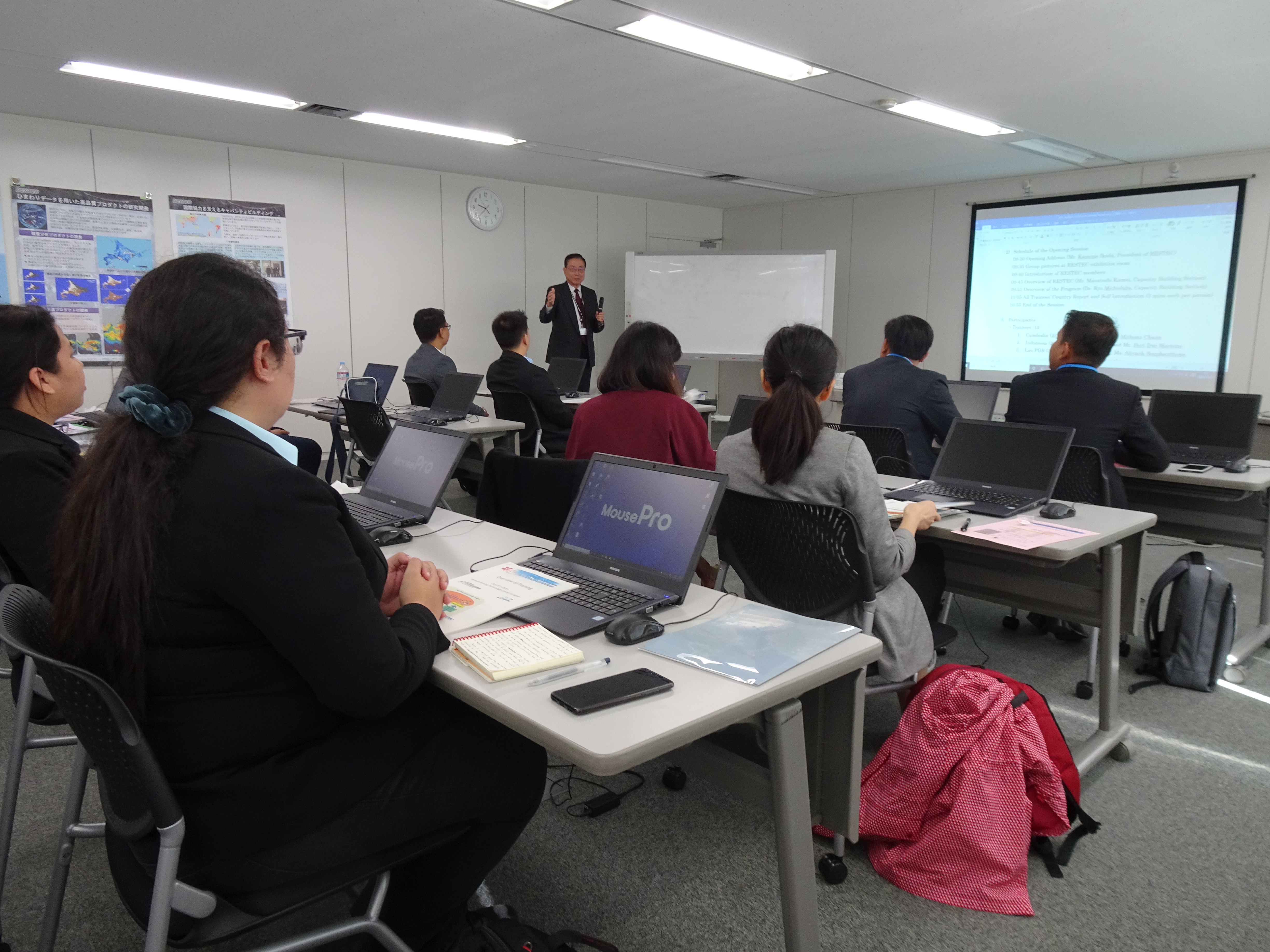
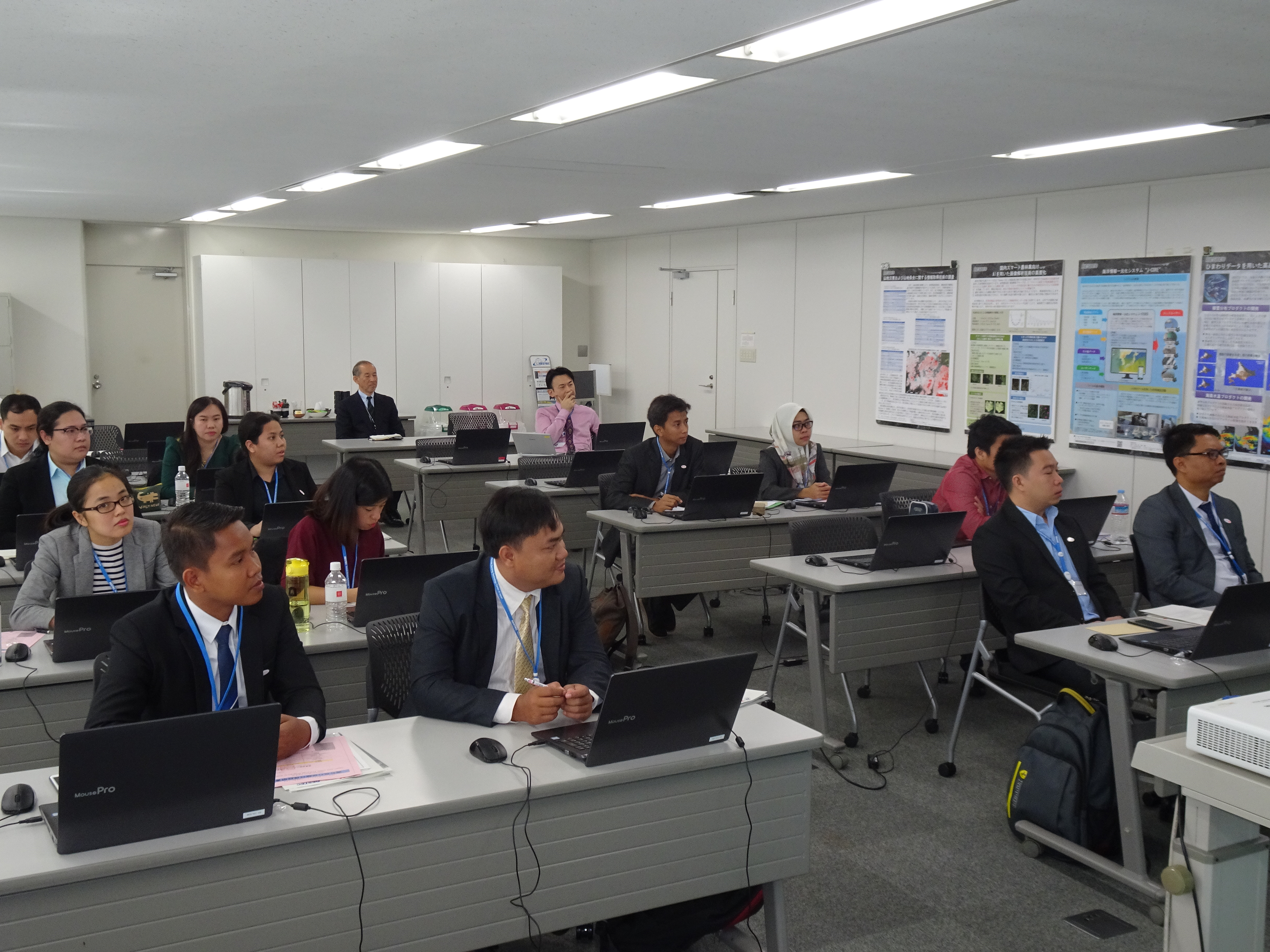
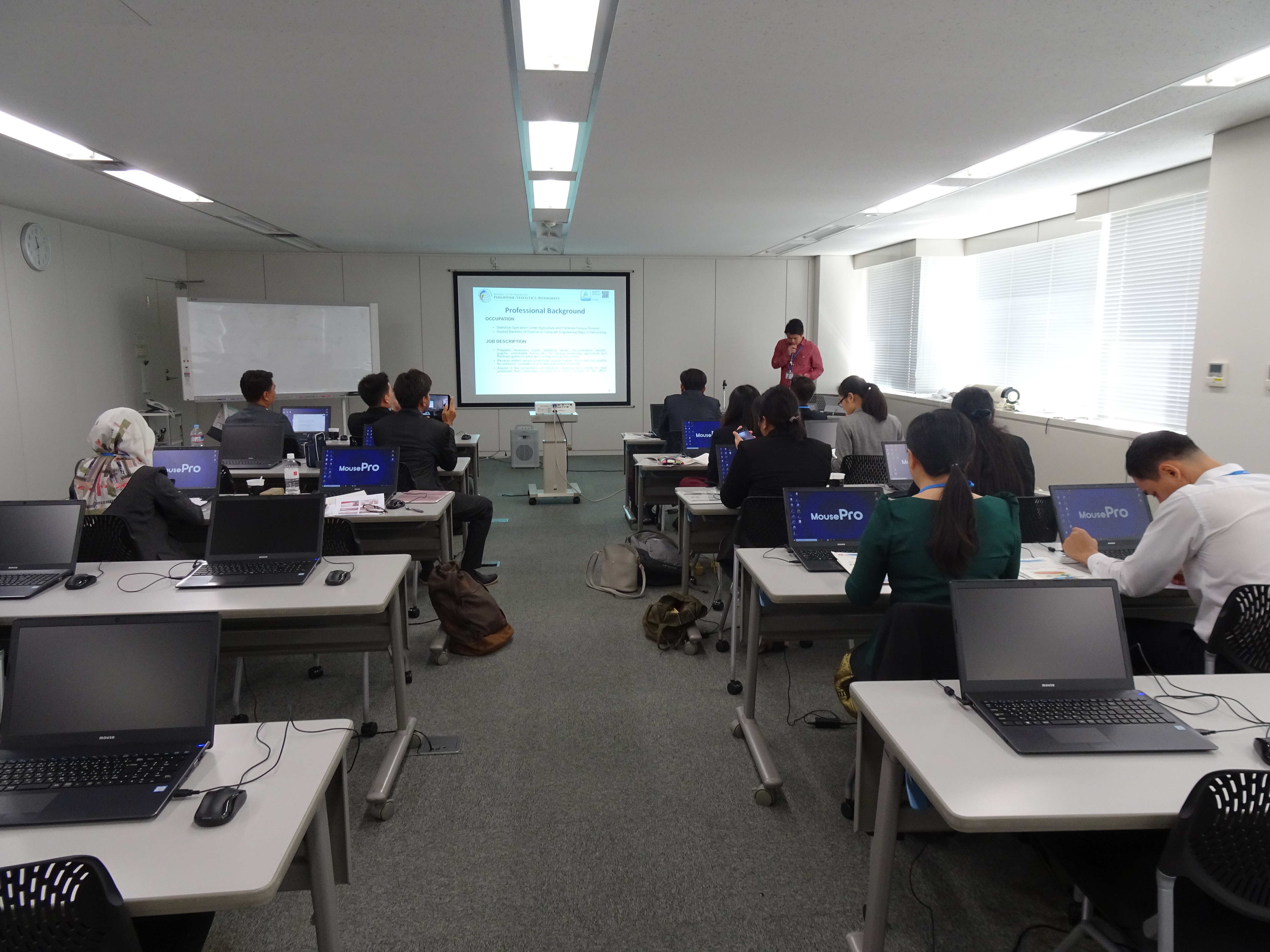
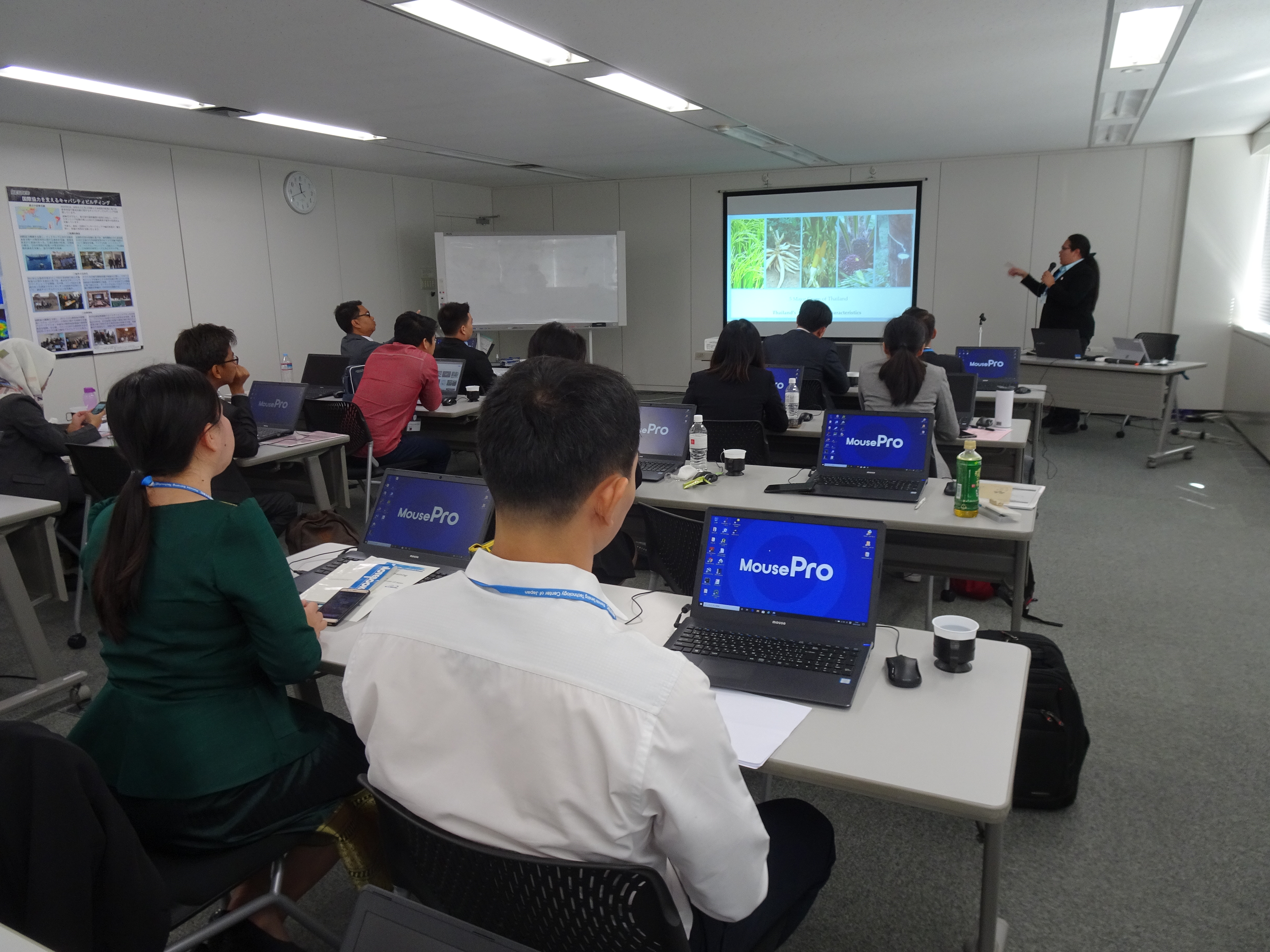
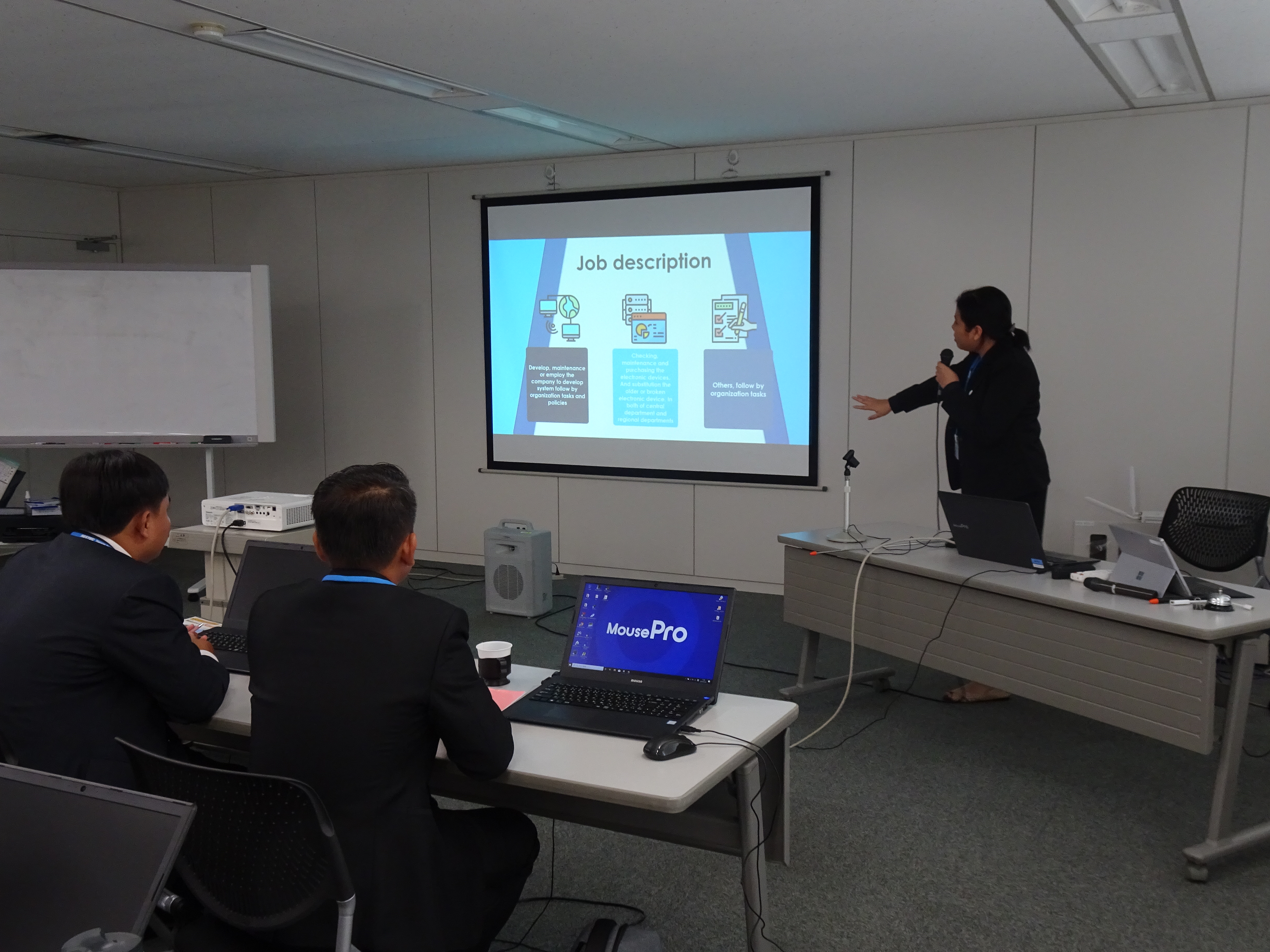
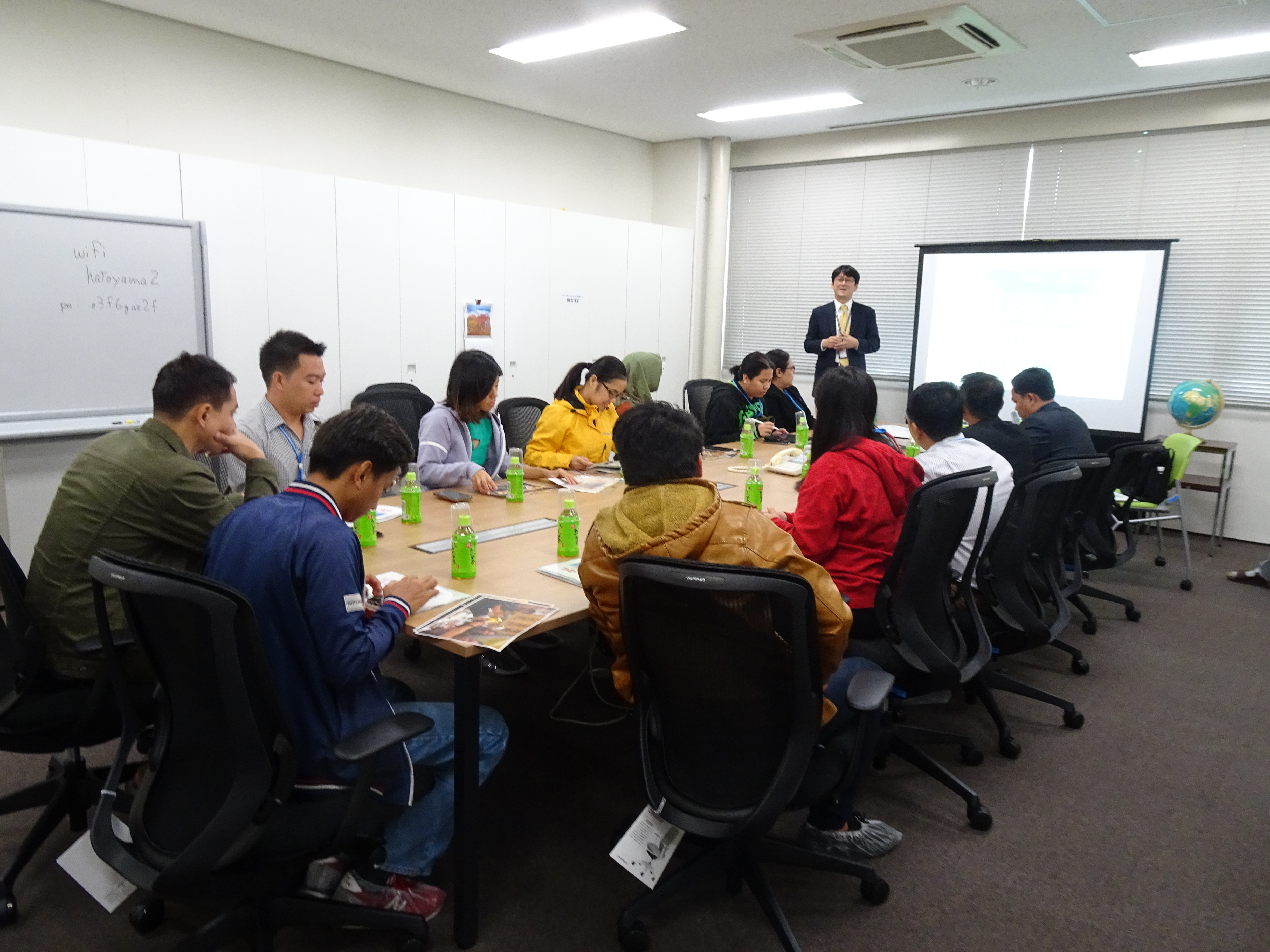
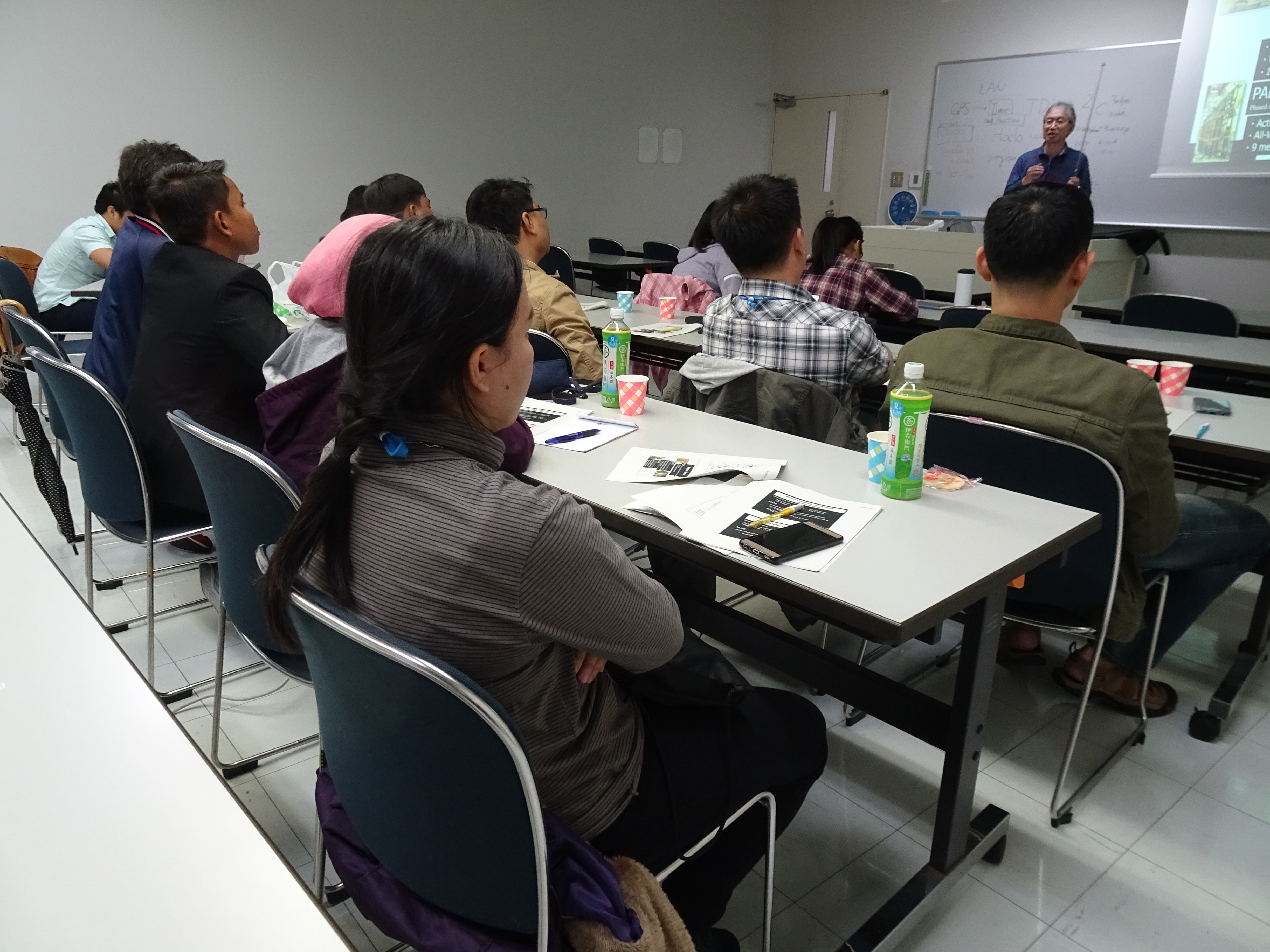
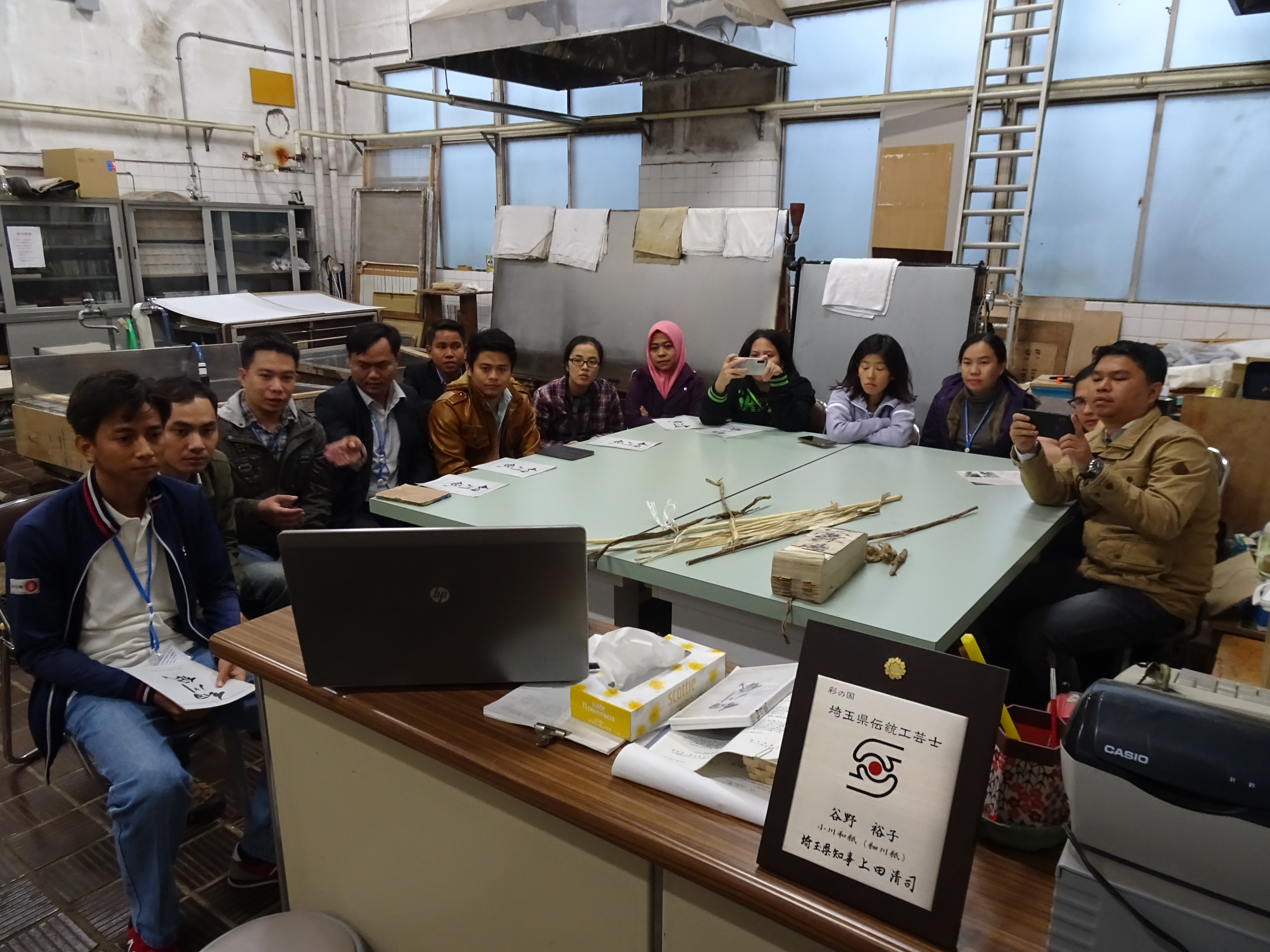
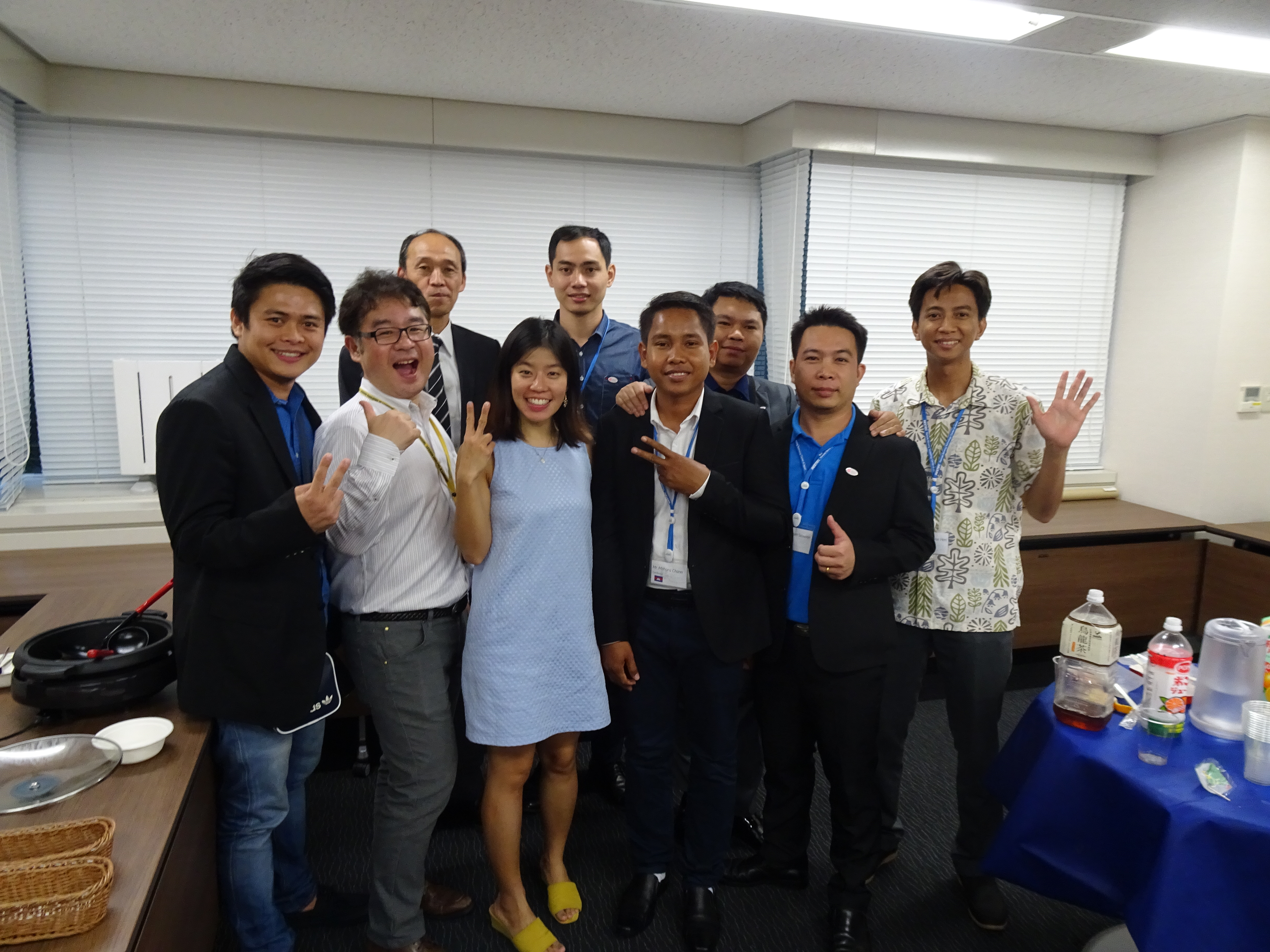
The ASEAN Food Security Information System (AFSIS) in cooperation with the Remote Sensing Technology Center of Japan (RESTEC), the Japan Science and Technology Agency (JST), hosted the training course in SAKURA Exchange Program in Science (Sakura Science Plan) during 22-31 October 2019 in Tokyo and Saitama. The objective is to obtain the knowledge and skills in the Remote Sensing (RS) application of agriculture including crop production and distribution, statistic, irrigation, policy planning and smart agriculture.
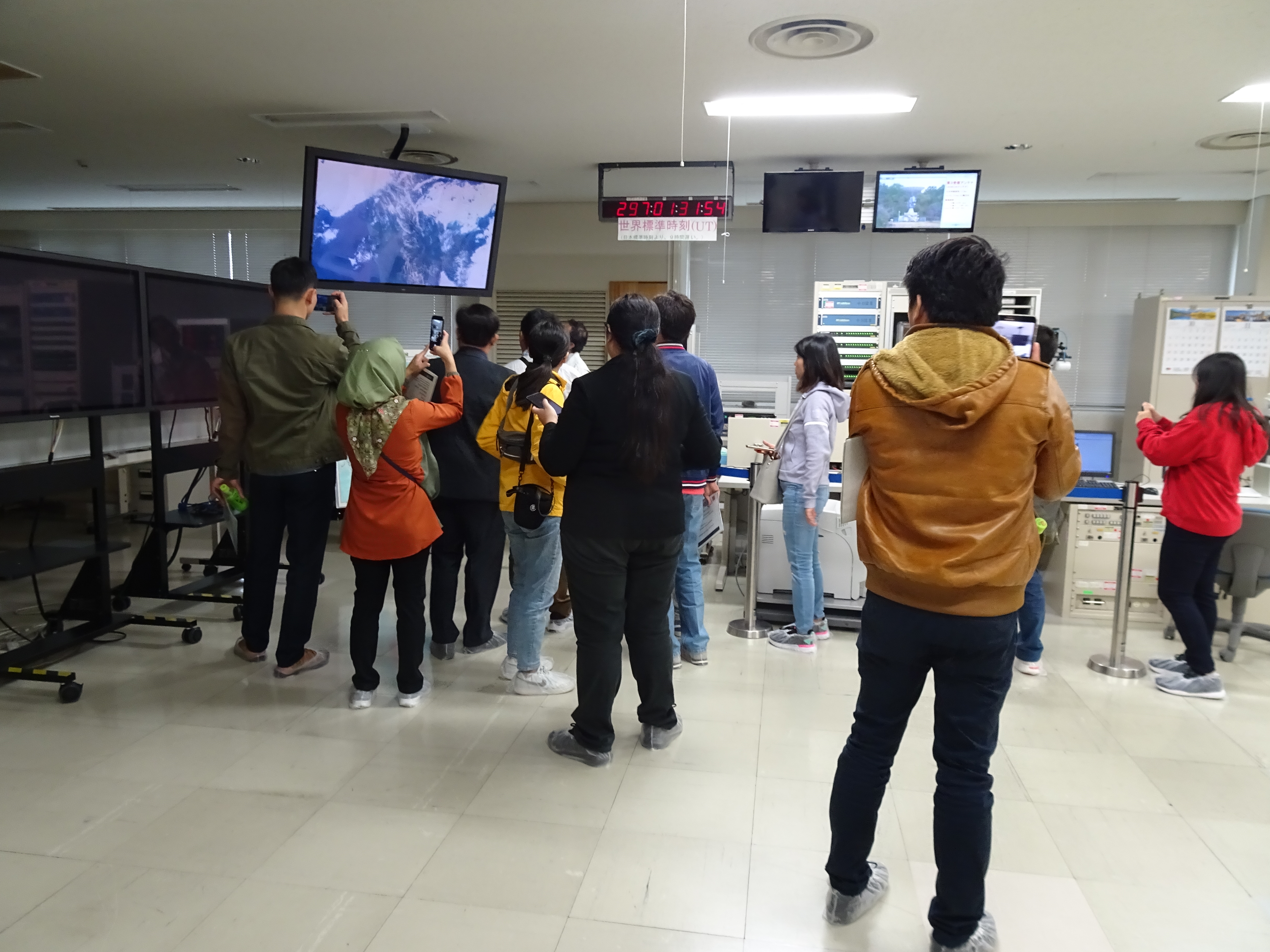
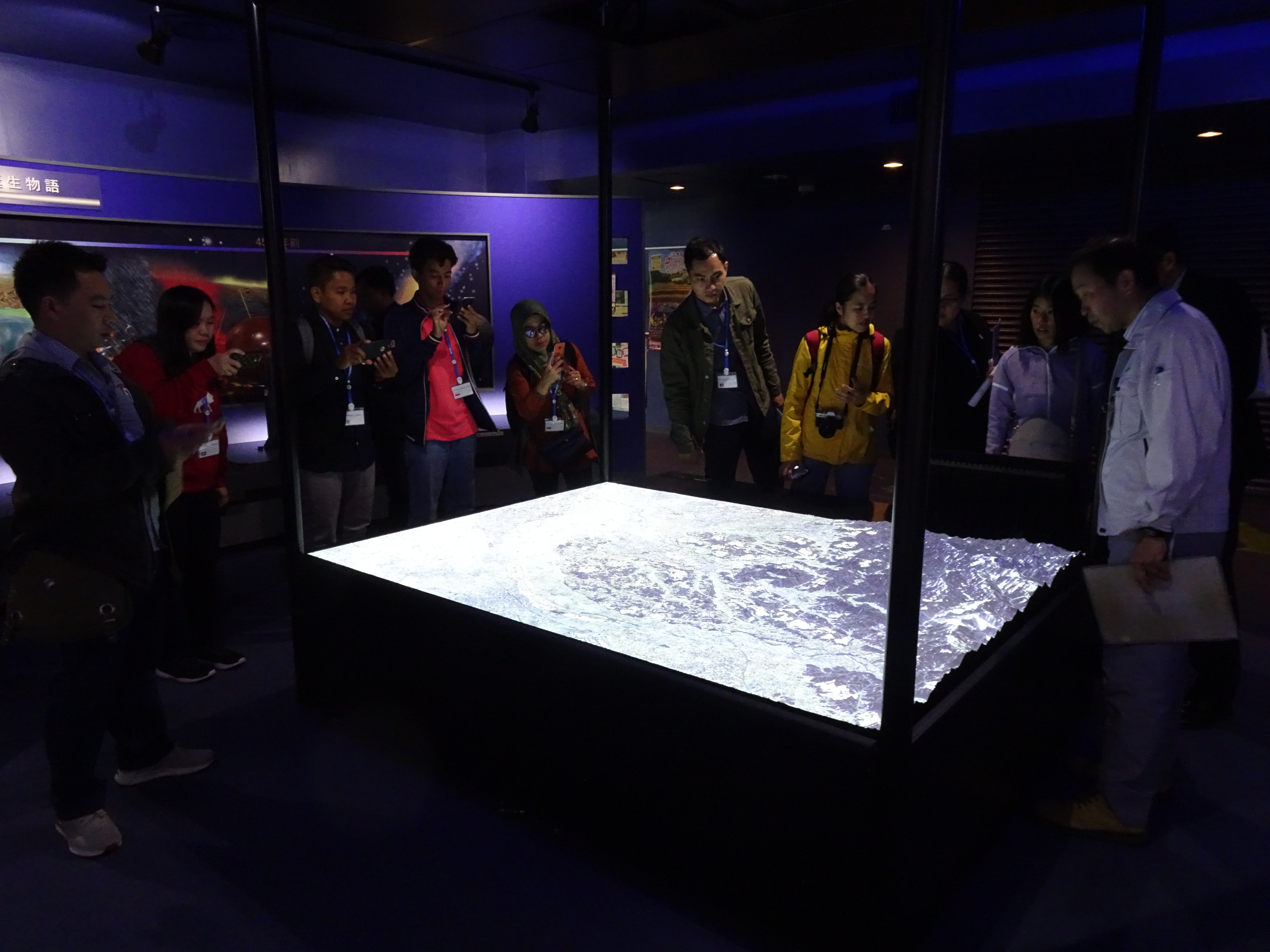
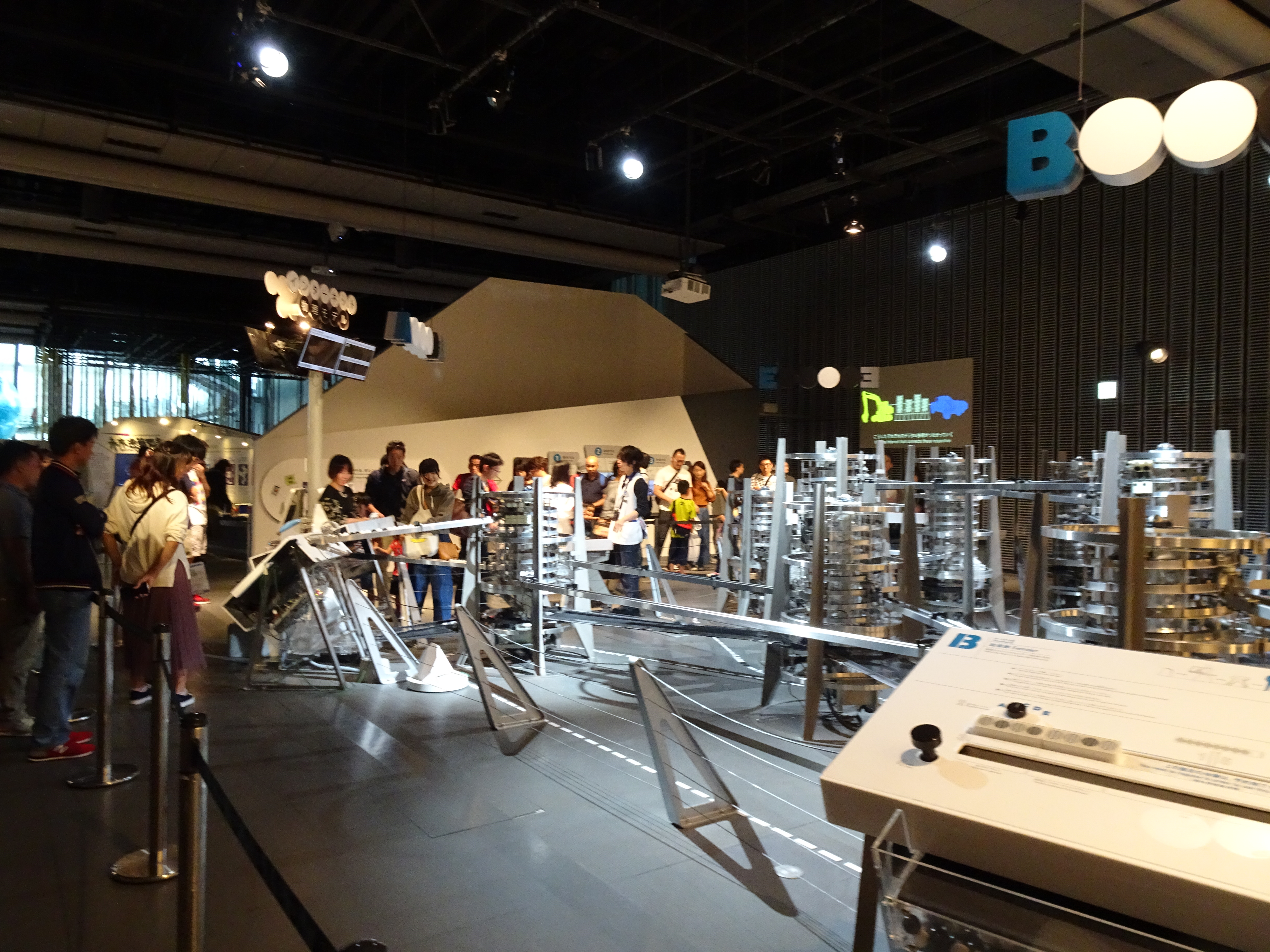
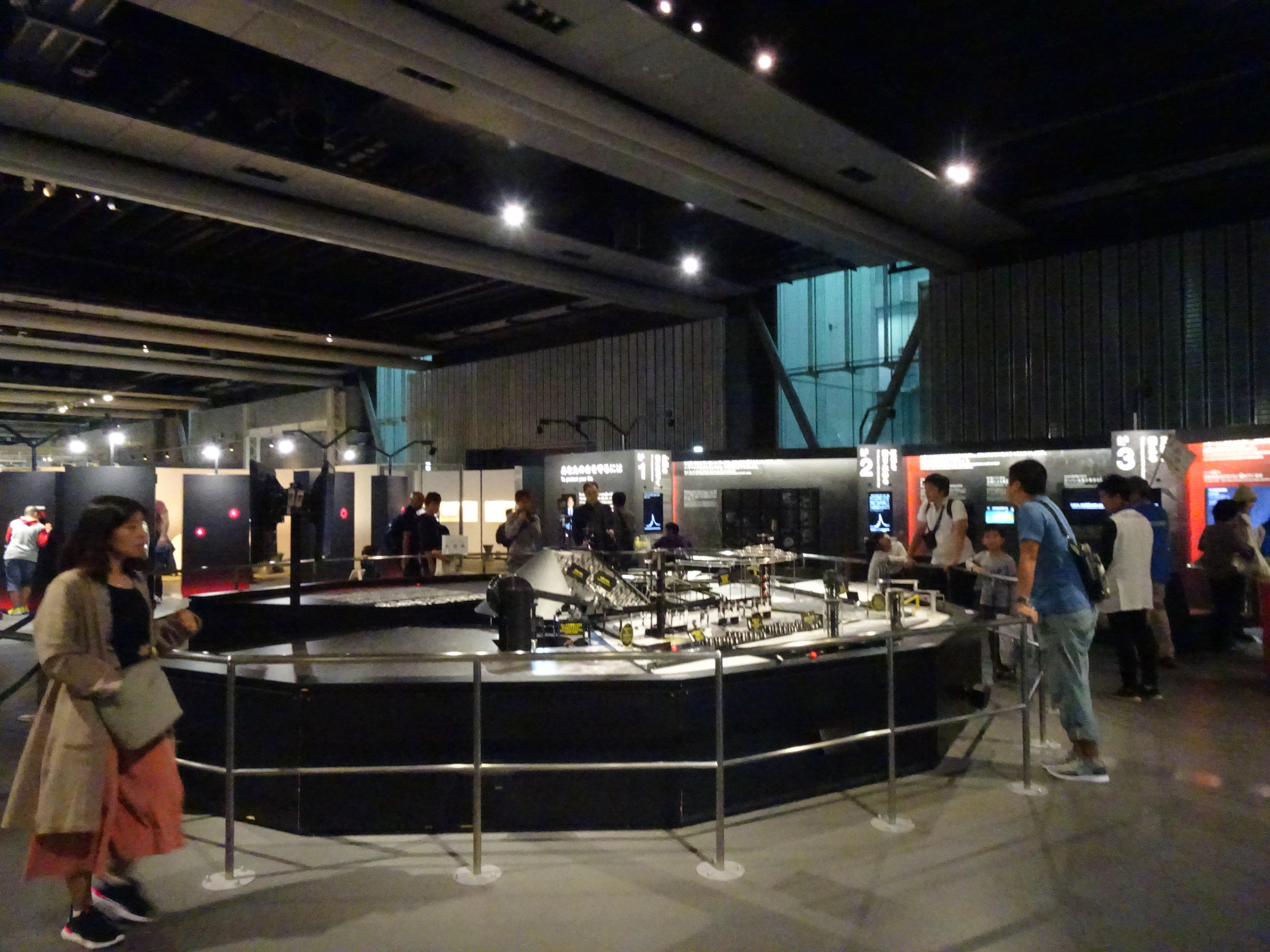
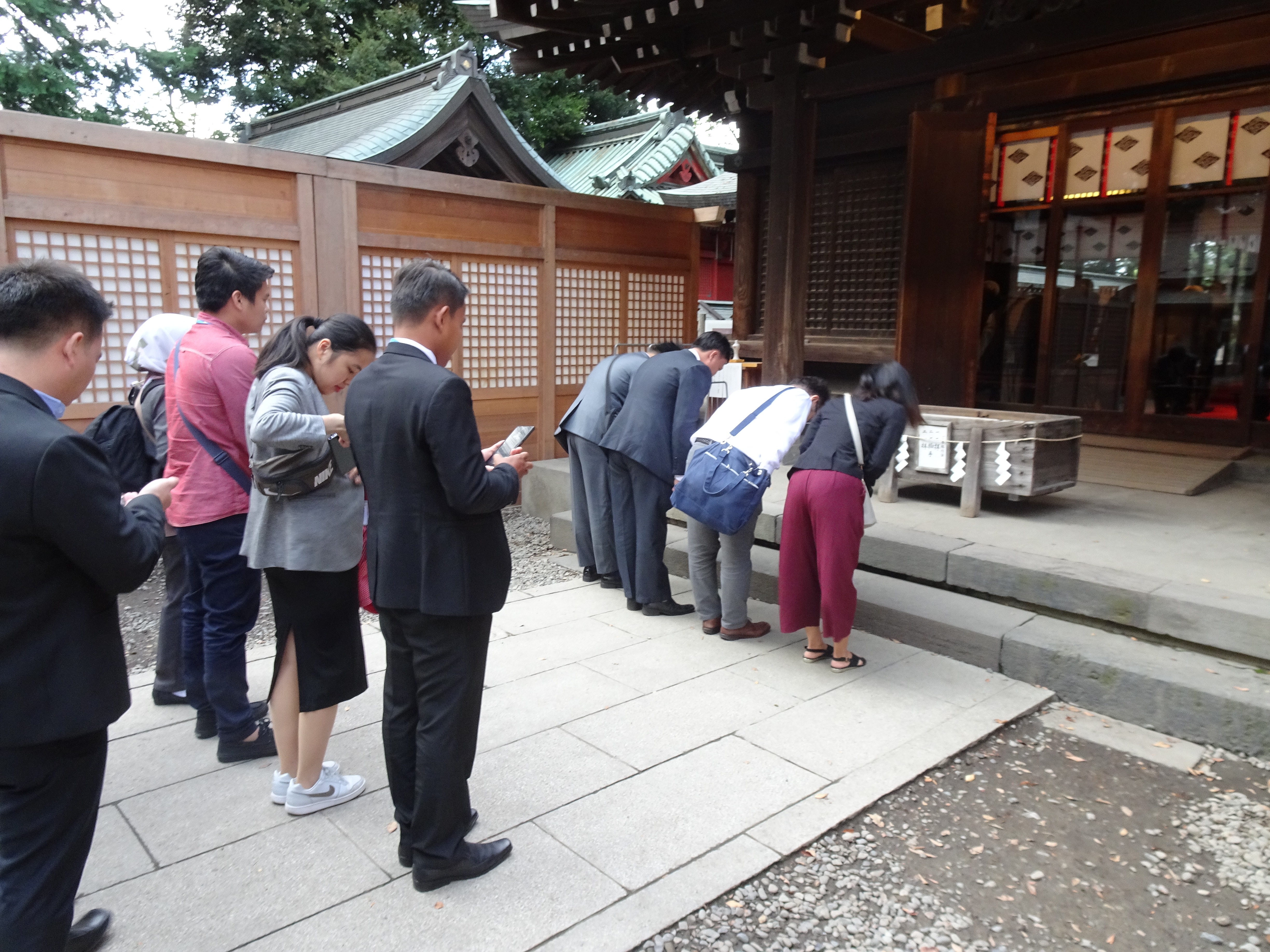
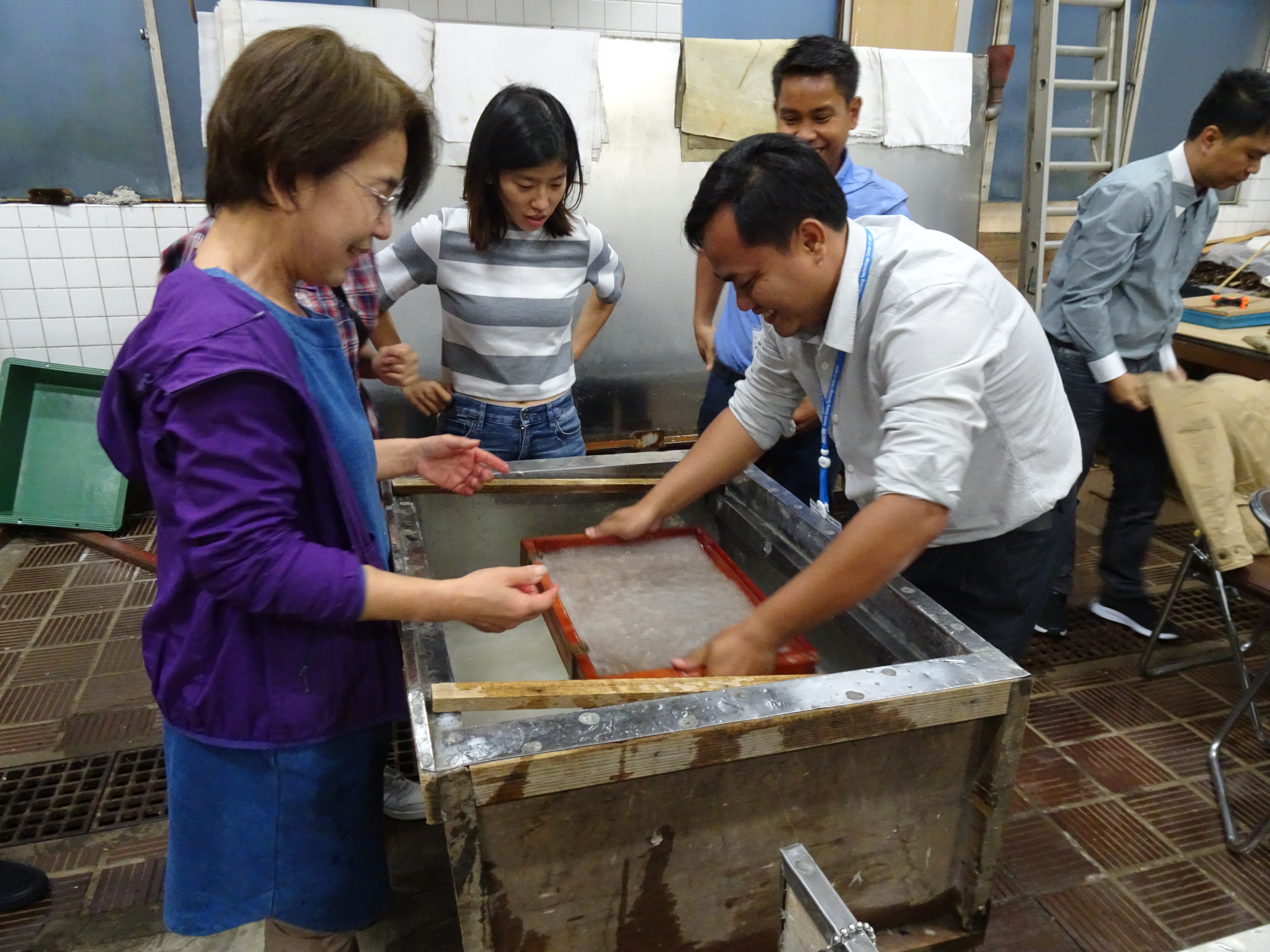
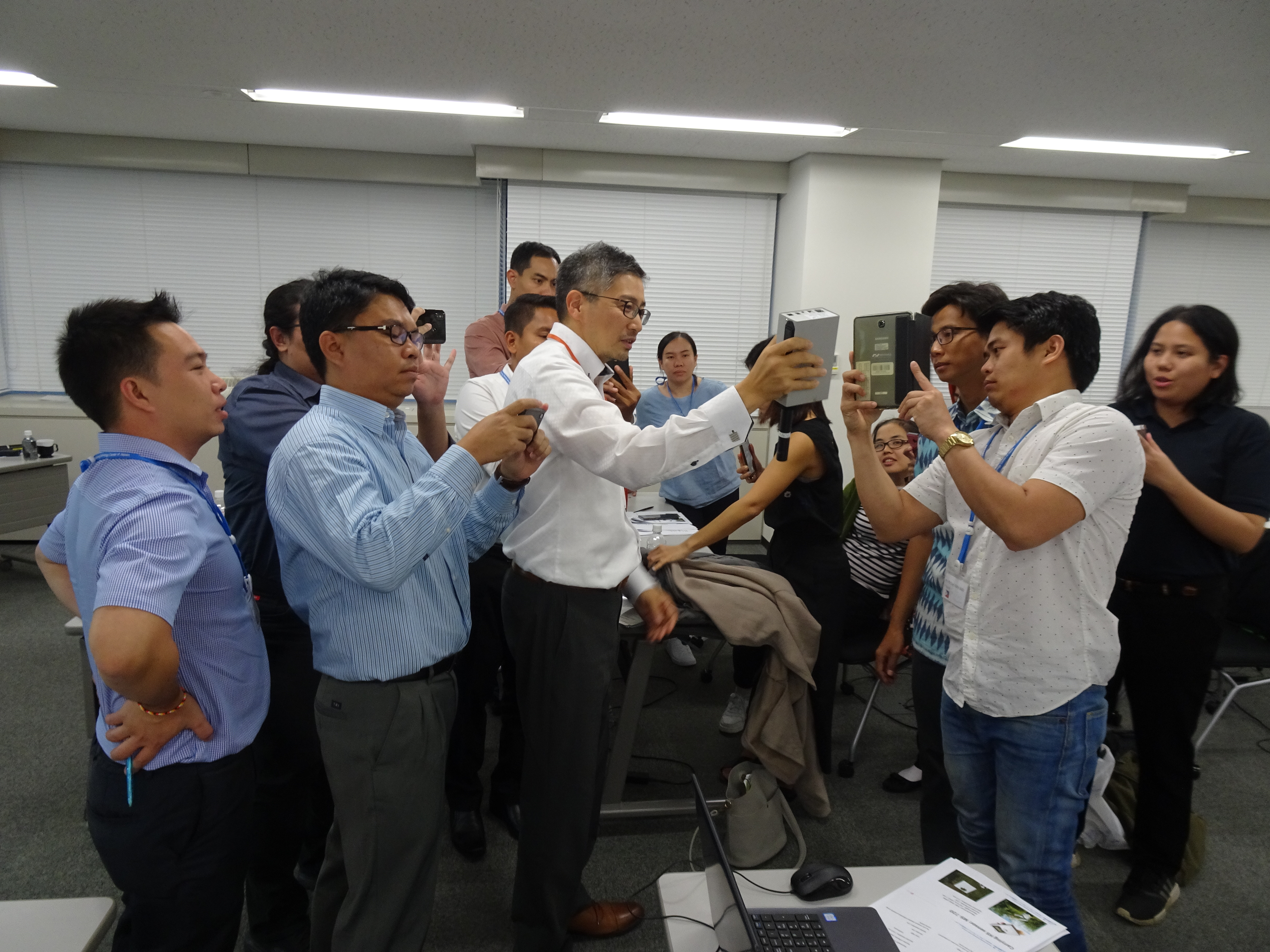
The training course hosted 10 participants from ASEAN Member have Thailand, Vietnam, Myanmar, Lao PDR, Cambodia, Indonesia, Singapore and Philippines. The participants learned about the remote sensing technologies in smart agriculture, using satellite in survey and collect data in real time in predicting analytics and use data in observation on natural disaster andmeteorology, how to use satellite data to analytics in Geographic Information System. And the participants had the facilities tour to learn about the their culture at Kawagoe, policy management such as irrigation management at Irrigation facilities (Yoshimi, Saitama), Earth observation center at Hatoyama Earth Observation Center, recycle process at Advanced recycle plant, Ishizaka Sangyo Co., Ltd. And learn how to analytics the satellite image at Interferometry of Synthetic Aperture Rader (SAR) (@TDU). The participants receive many valuable knowledge and experience and also shared the knowledge from their own country about their agricultural and agriculture management.
For more material regarding this training and others, please visit the link : http://www.aptfsis.org/knowledgebase/6



The AFSIS Secretariat participated in the 10th International Conference on Agricultural Statistics (ICAS X), held from 8 to 10 July 2026 at the ICE Krakow Congress Centre in Krakow, Poland. Jointly organized by Statistics Poland, Eurostat, the United States Department of Agriculture (USDA), the World Bank Group, and the Food and Agriculture Organization of the United Nations (FAO).
.JPG)
On 24–25 June 2026, AFSIS Secretariat participated in the 46th Meeting of the ASEAN Food Security Reserve Board (AFSRB) via a virtual conference. The Meeting was jointly organized by the AFSRB Secretariat and the Department of Agriculture (DOA), Ministry of Agriculture, Livestock and Irrigation (MOALI) of the Republic of the Union of Myanmar, and was hosted in Nay Pyi Taw, Myanmar.

On 17–18 June 2026, the 24th AFSIS Focal Point Meeting was successfully convened via video conference, hosted by the Philippine Statistics Authority (PSA) in collaboration with the ASEAN Food Security Information System (AFSIS) Secretariat.
.jpg)
The ASEAN Food Security Information System (AFSIS) Secretariat, in collaboration with the Ministry of Agriculture, Forestry and Fisheries (MAFF) Japan, Japan Aerospace Exploration Agency (JAXA), Remote Sensing Technology Center of Japan (RESTEC), and Geo-Informatics and Space Technology Development Agency (GISTDA), conducted the 2nd Hands-on Training Courses for Agricultural Statisticians, the Final Workshop, and the 2nd Seminar for Executive Officials under the JAIF Project entitled “Improvement of Rice Paddy Area Statistics and Damage Assessment using Earth Observation Satellites for ASEAN” in Sriracha, Chonburi Province, and Bangkok, Thailand.

