
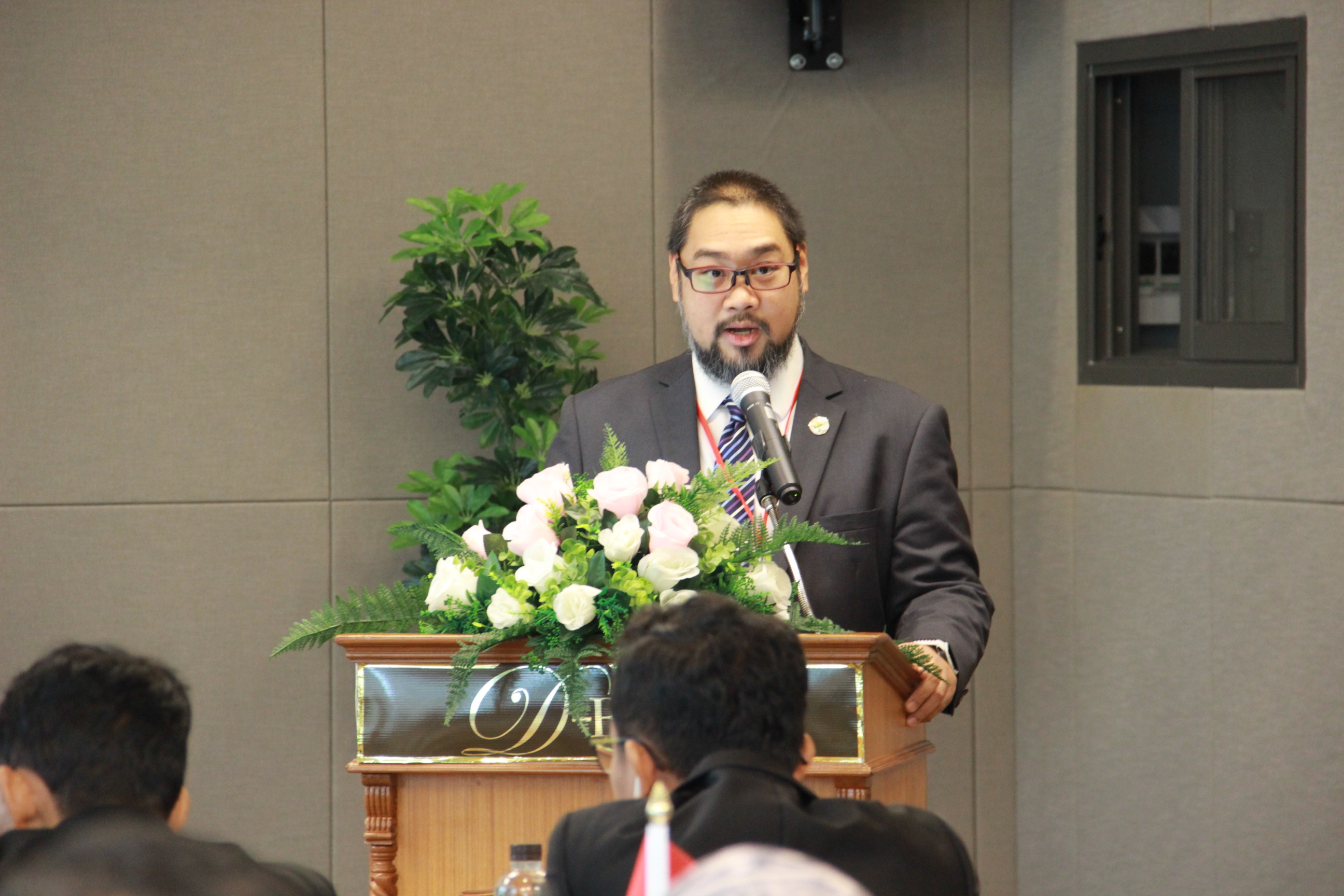
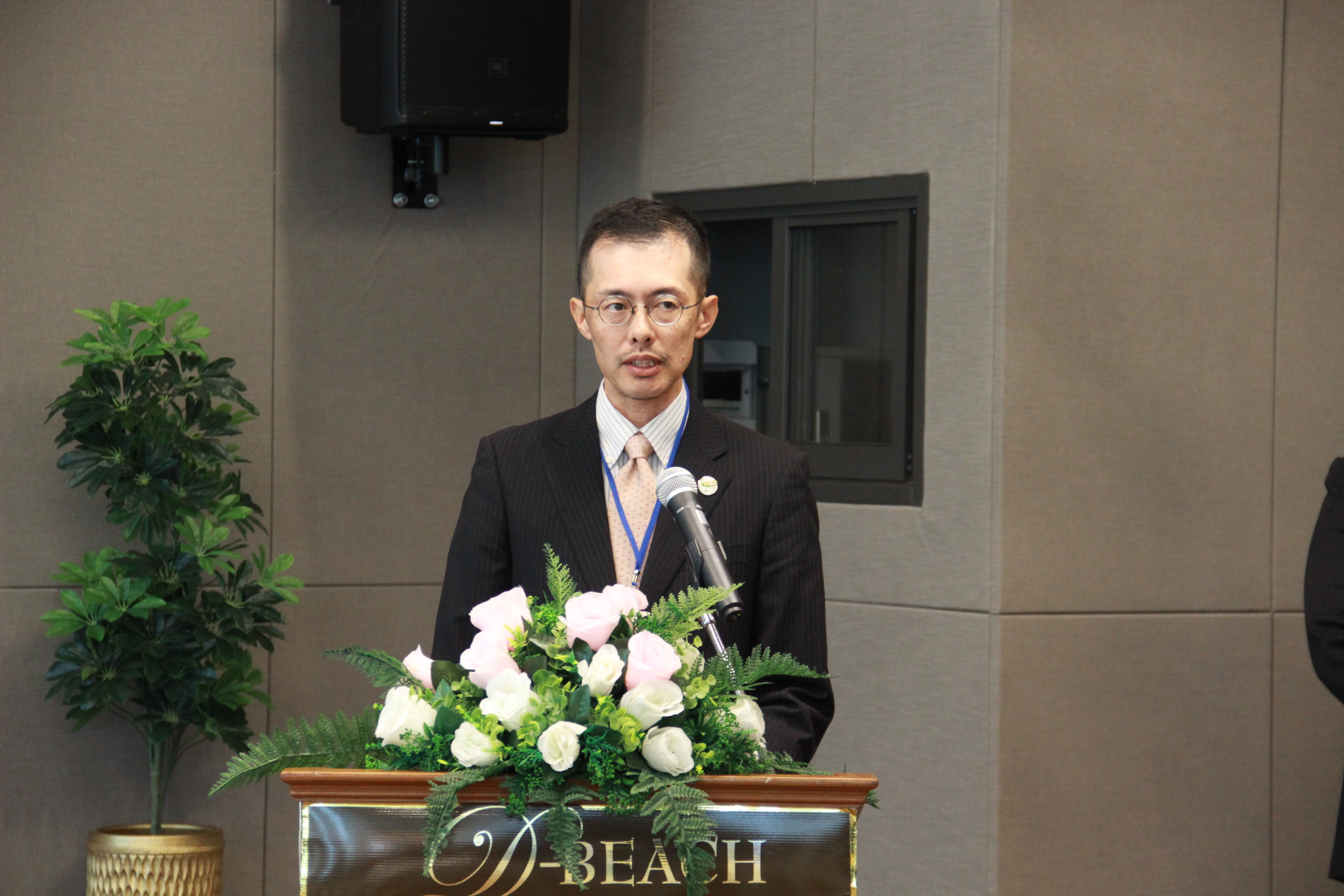
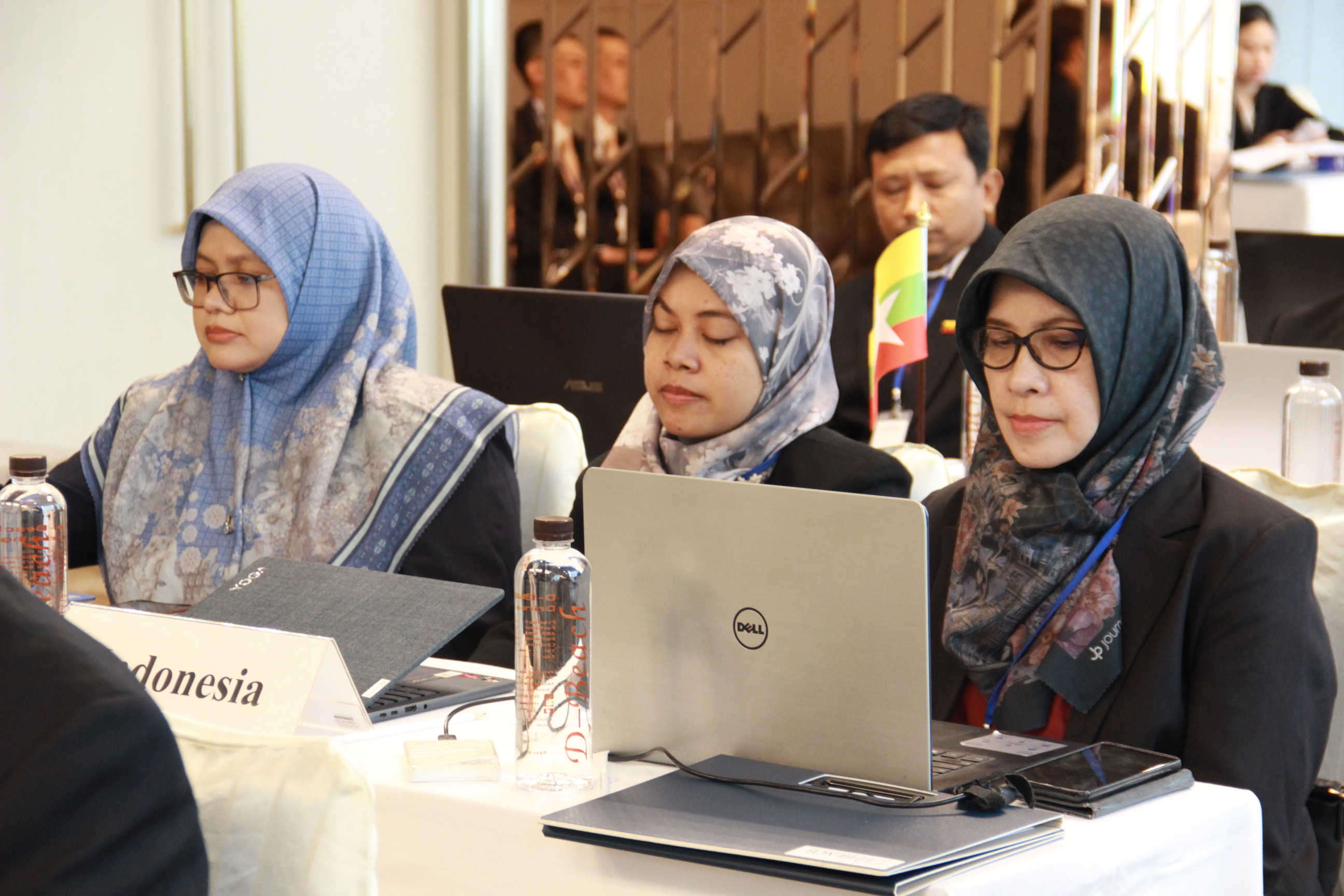
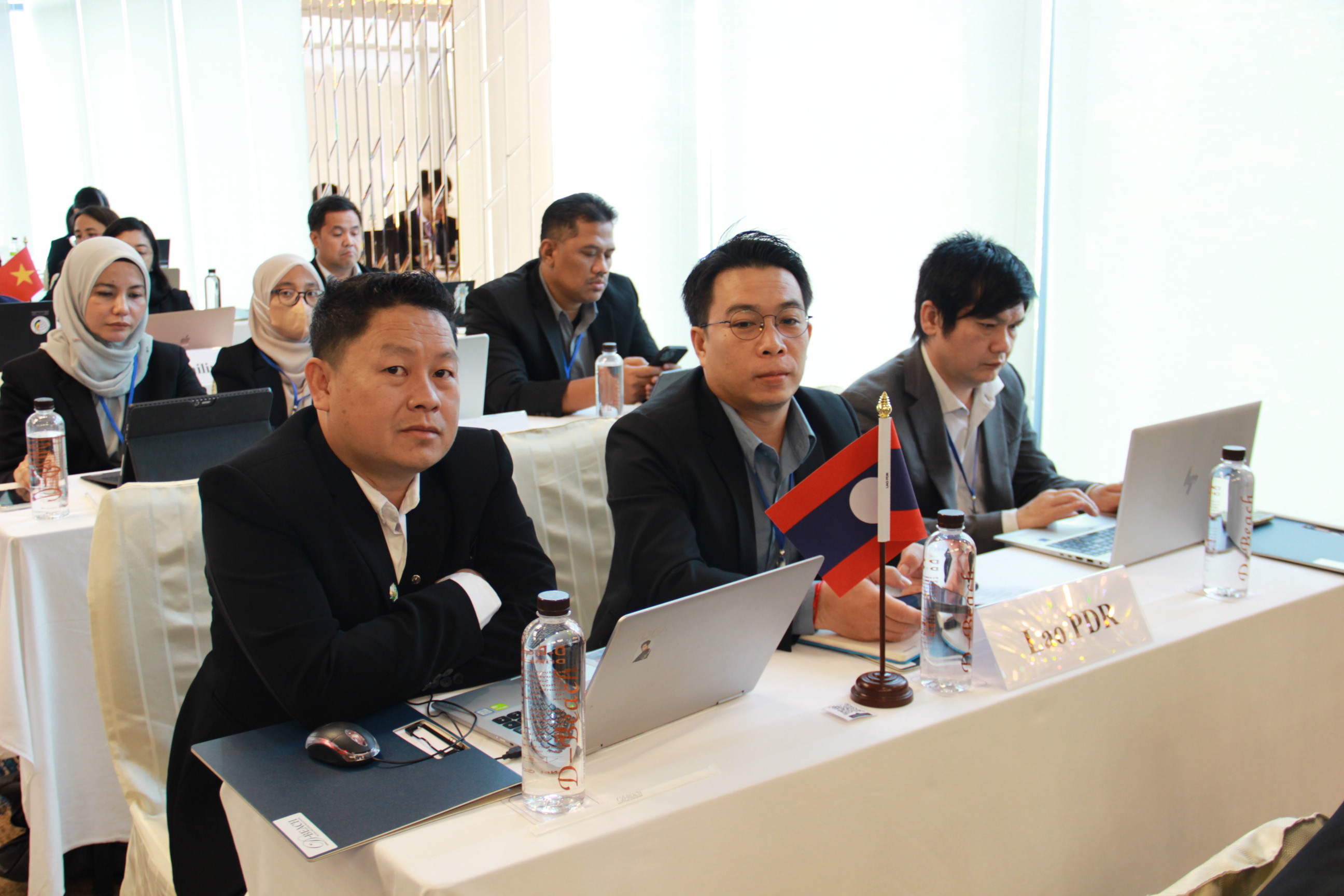
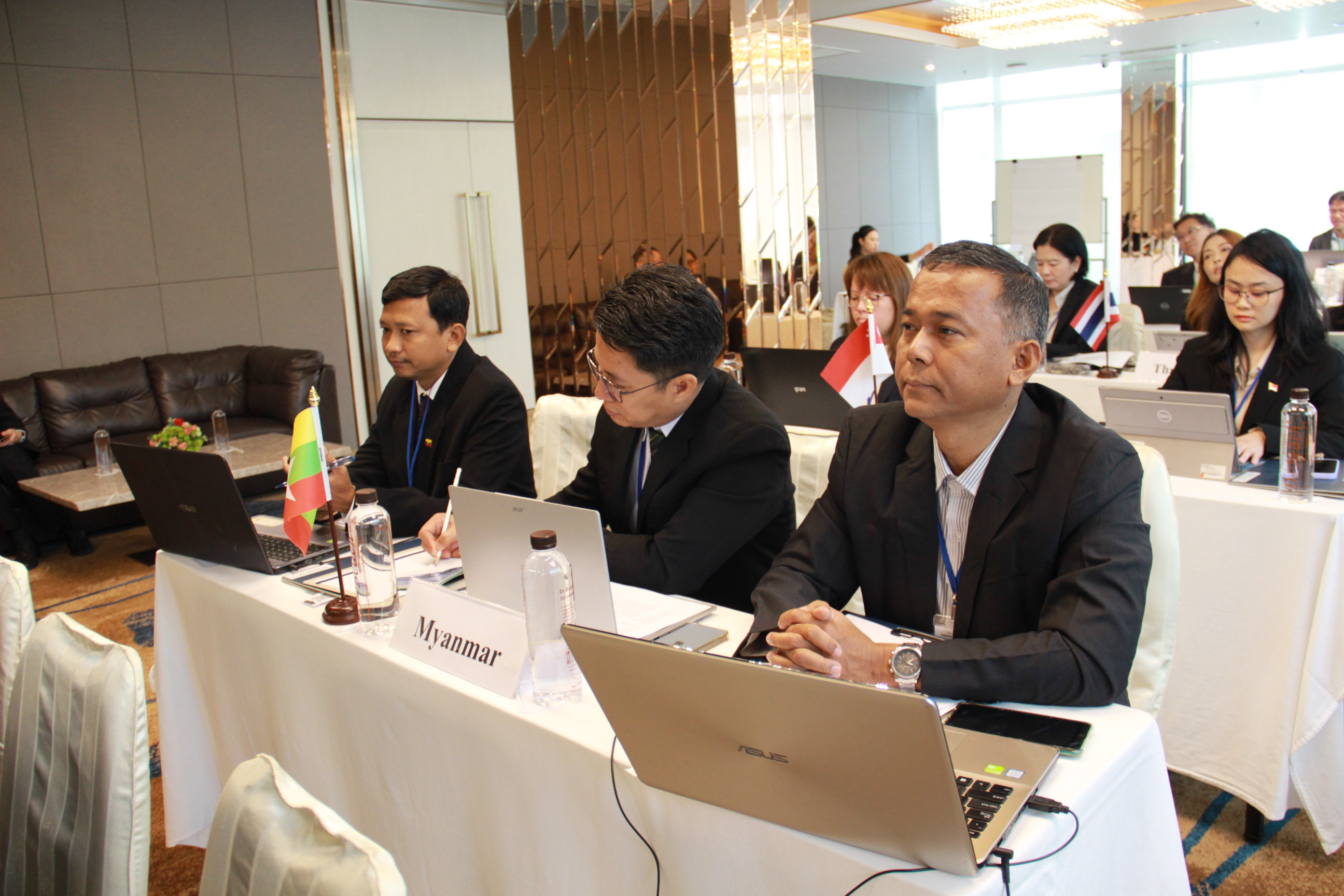
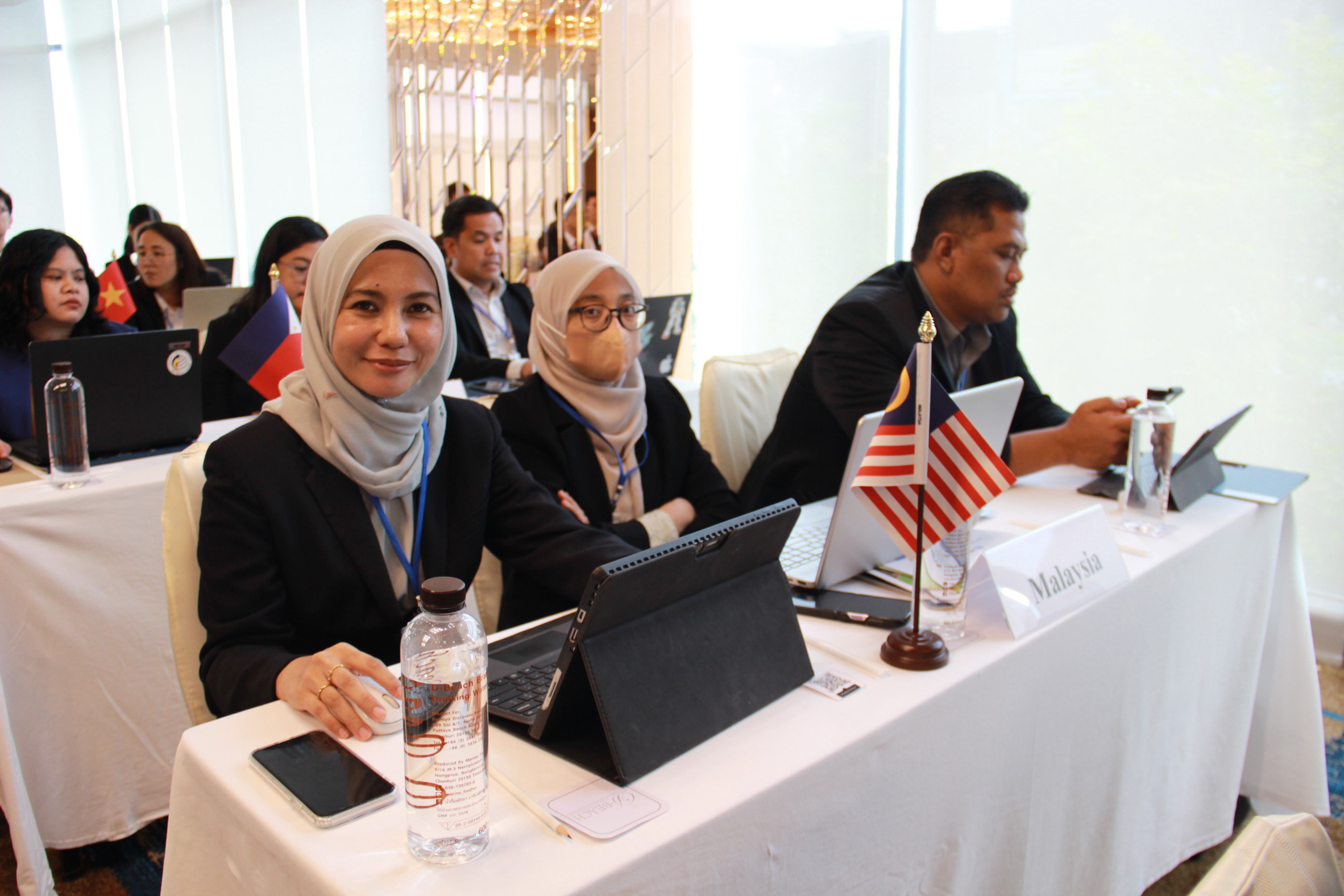
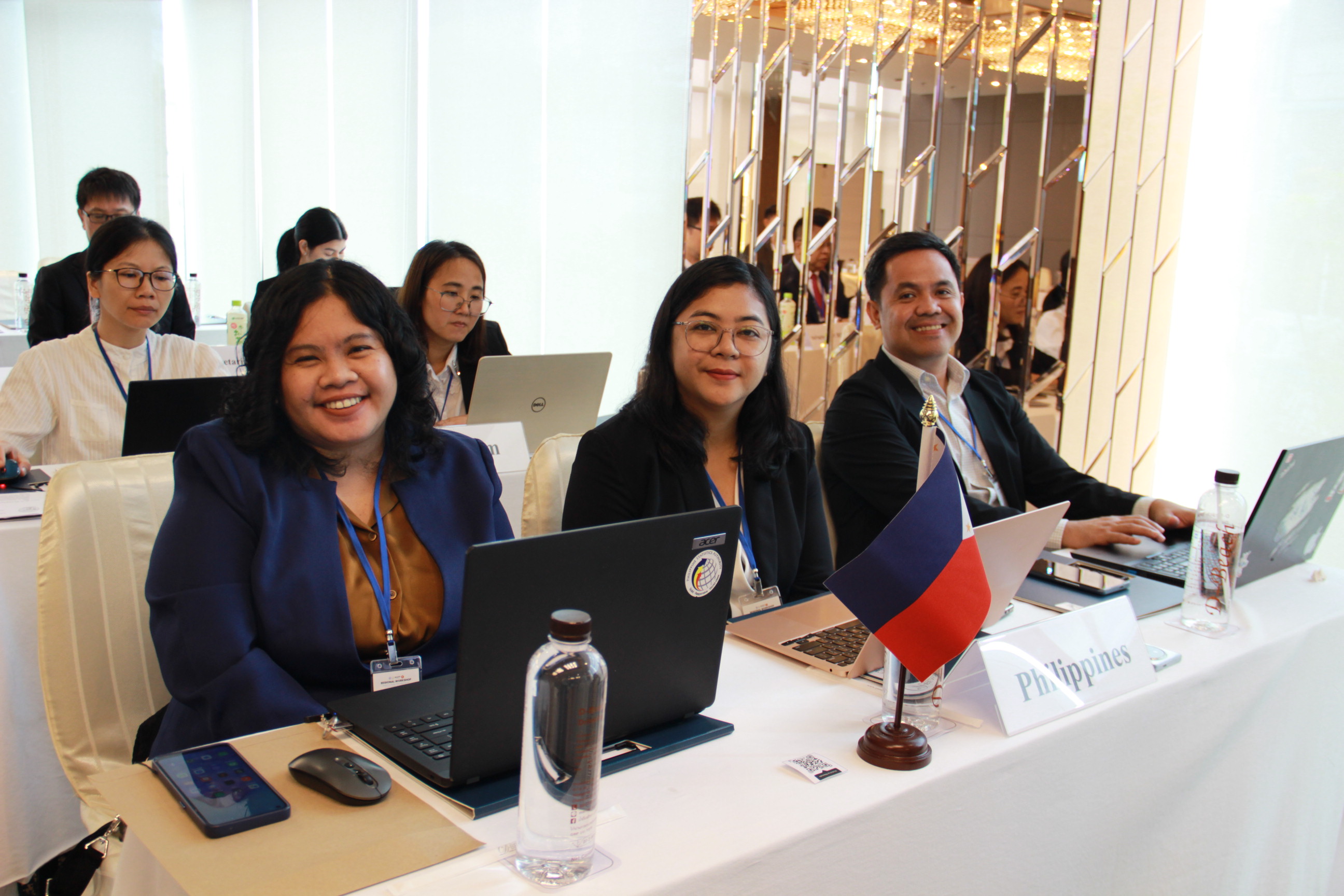
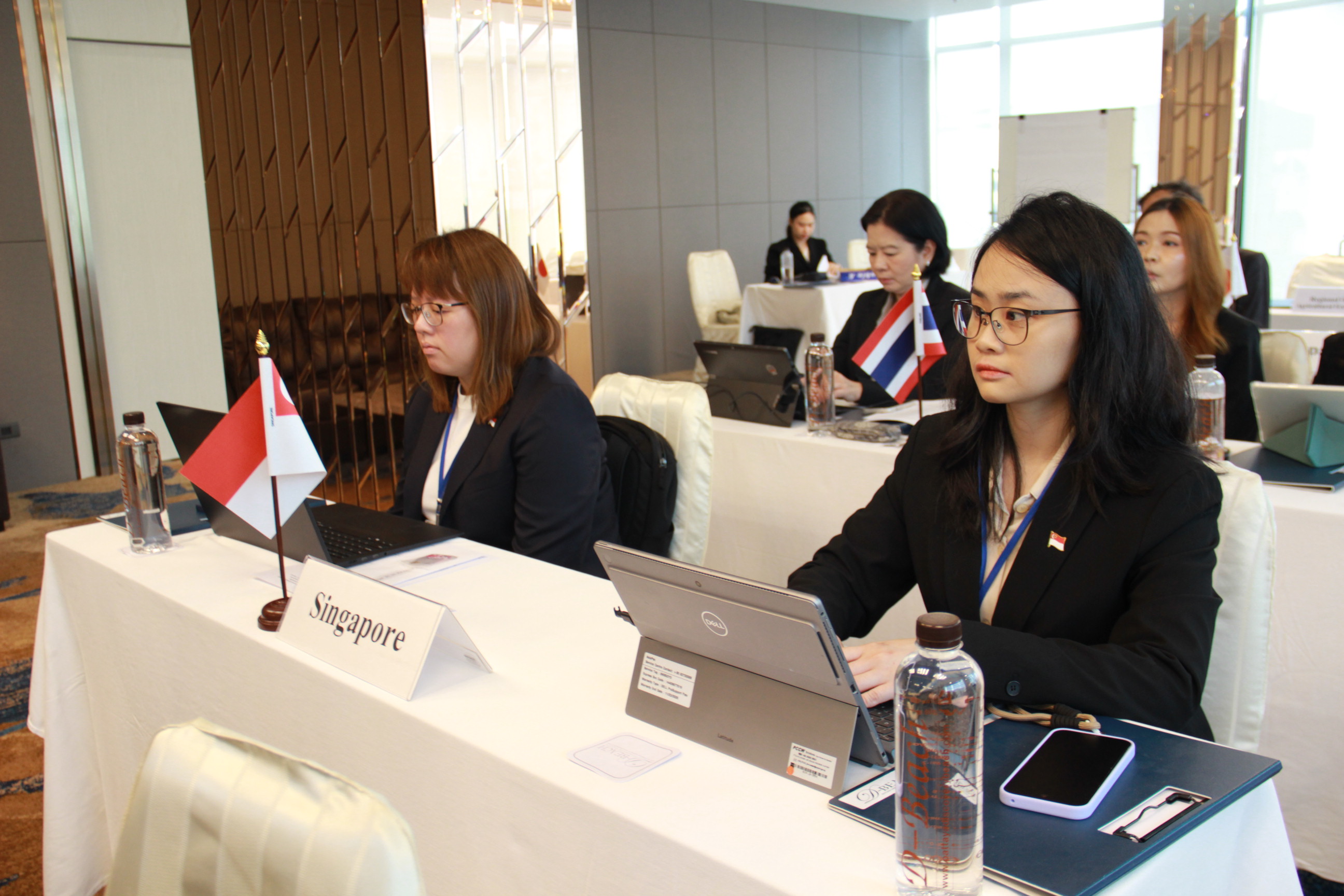
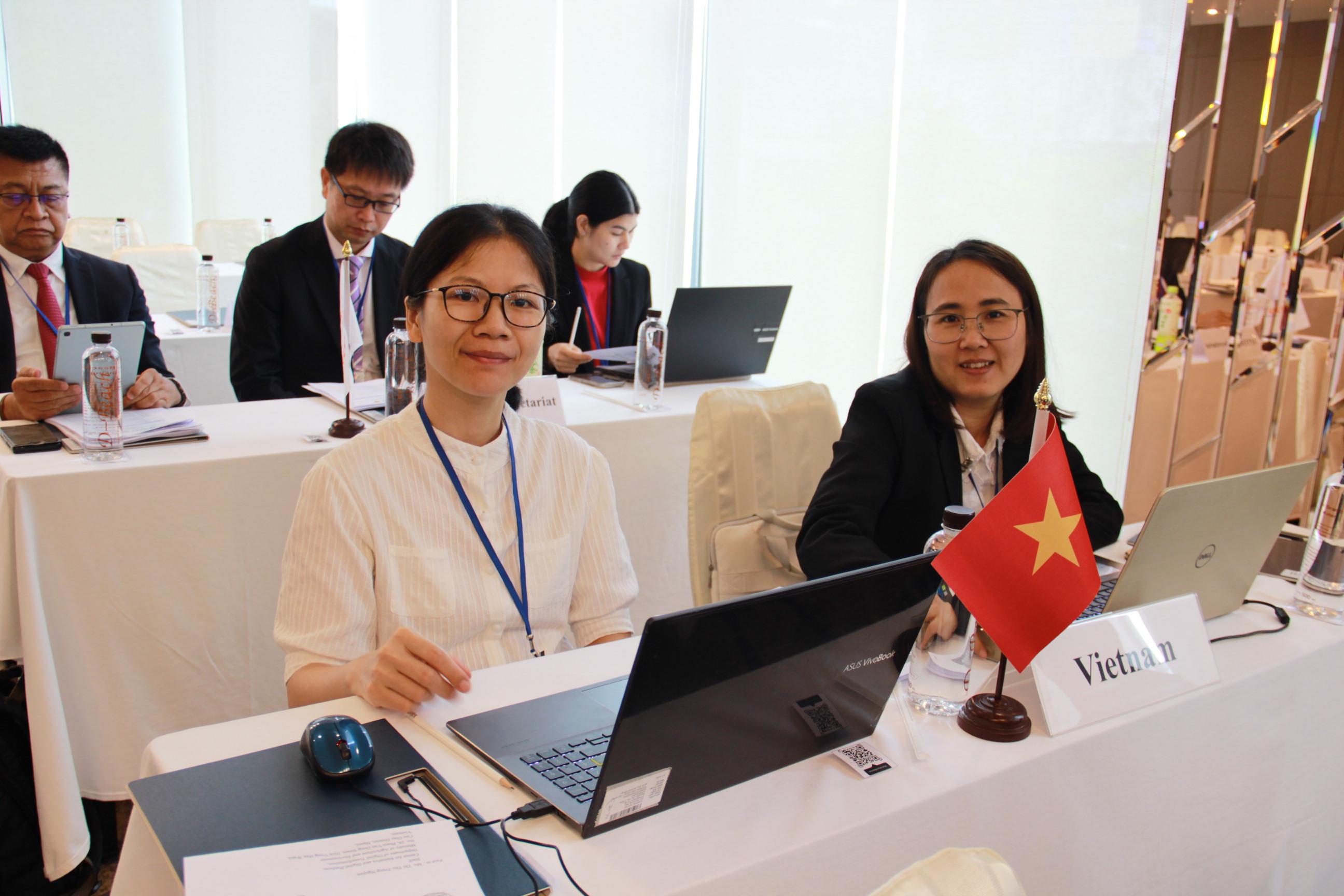
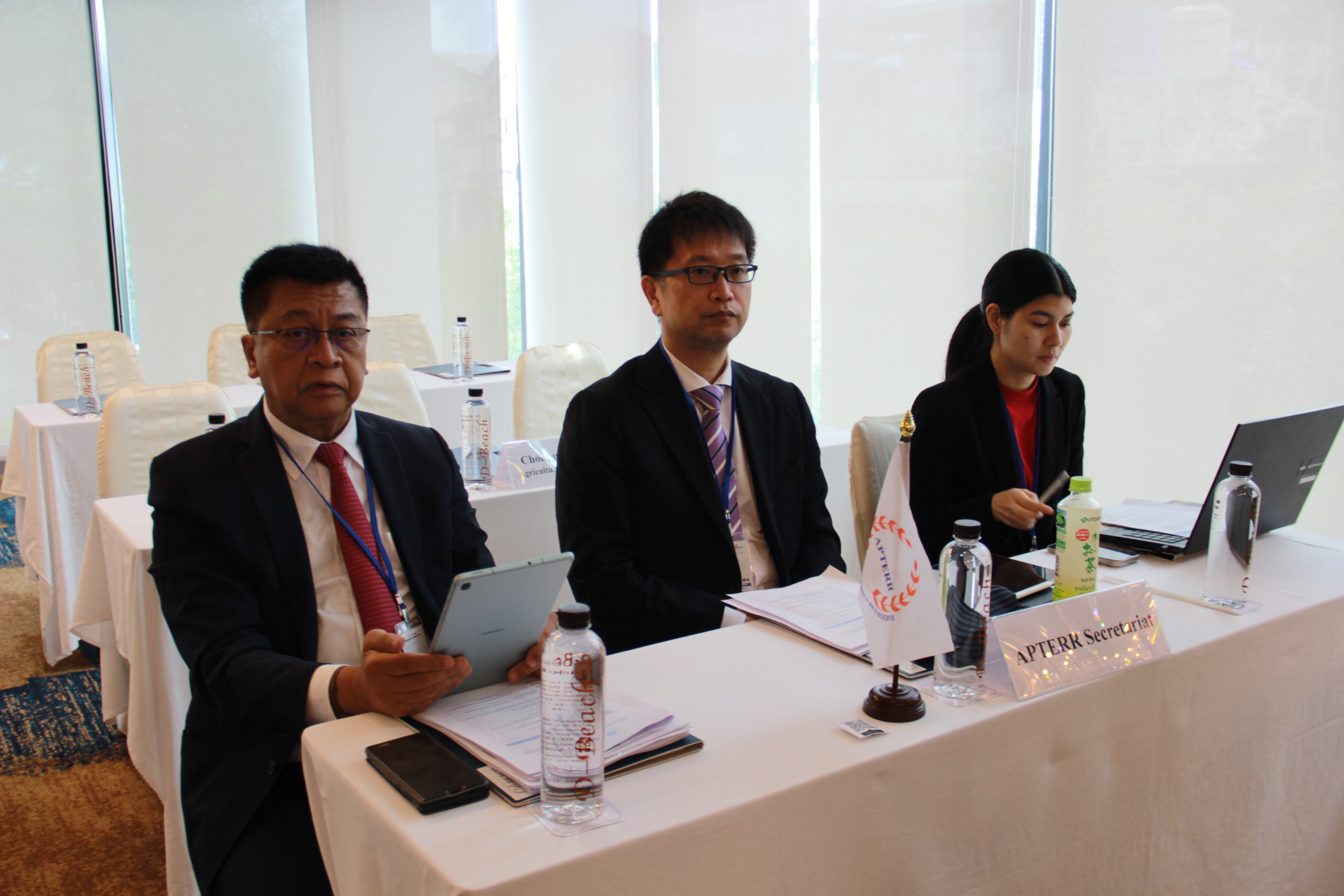
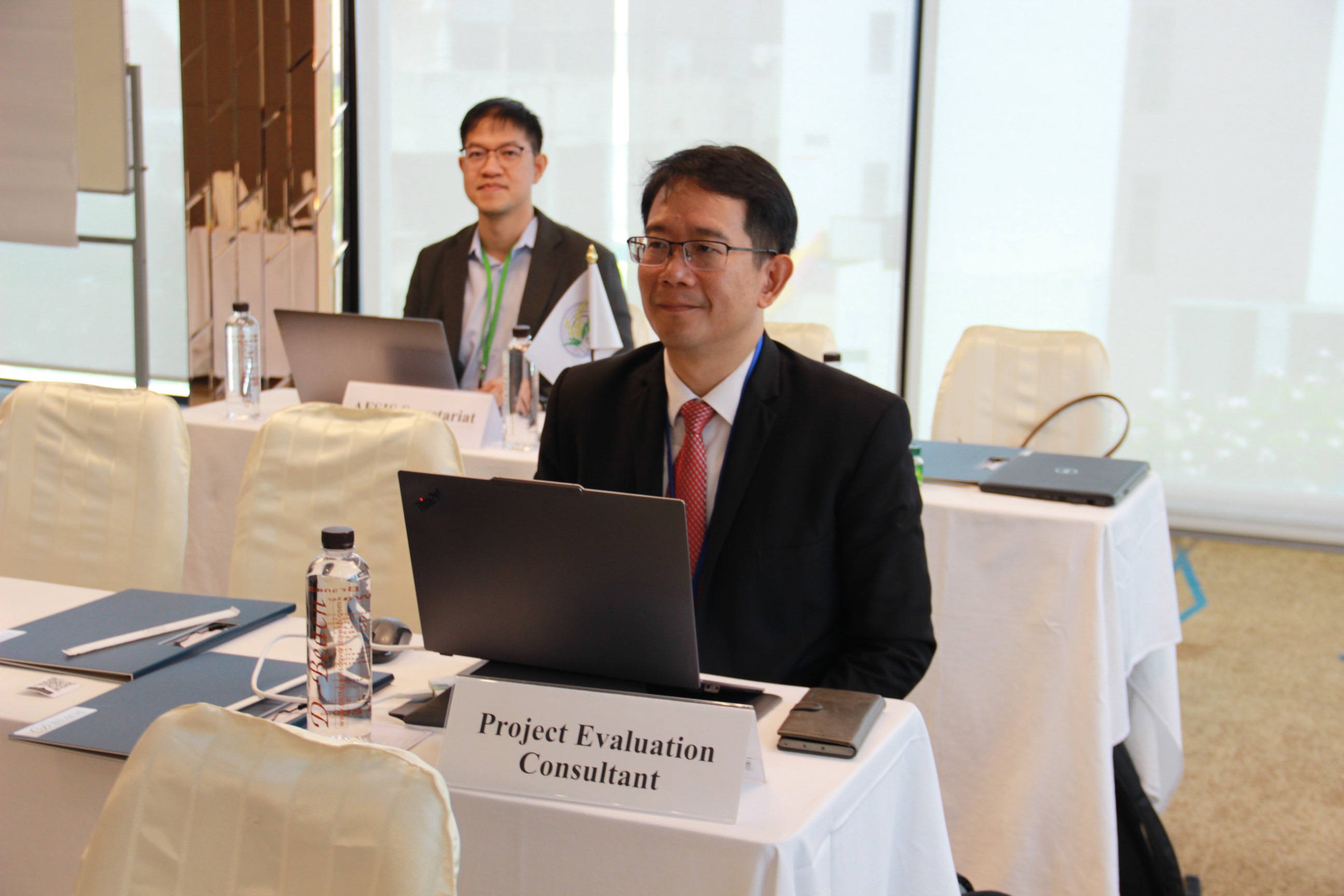
On 21–22 May 2025, the ASEAN Food Security Information System (AFSIS) Secretariat, with support from Japan’s Ministry of Agriculture, Forestry and Fisheries (MAFF), convened The Regional Workshop on Emergency Information Sharing and Additional Commodity under the SAFER Project (Strengthening ASEAN Food Security Information System Function for Emergency). The workshop was held at the Pattaya Discovery Beach Hotel in Chonburi, Thailand.
The event was honored by the presence of Mr. Vinit Atisook, Deputy Secretary General of the Office of Agricultural Economics (OAE), Ministry of Agriculture and Cooperatives (MOAC), Thailand, and Mr. Masahiro Hosaka, Deputy Director of the Statistics Planning Division, Statistics Department, MAFF, Japan, who delivered the opening remarks. Dr. Sumanya Ngandee, AFSIS Manager, also welcomed participants with a keynote address.
A total of 28 participants from ASEAN Plus Three countries, along with representatives from the ASEAN Plus Three Emergency Rice Reserve (APTERR) Secretariat, attended the workshop in person.
The workshop focused on two critical outputs:
1. Strengthening Emergency Information-Sharing Mechanisms: Discussions aimed to establish a structured, unified protocol for the timely and accurate sharing of agricultural disaster impact data.
2. Expanding the Scope of Target Commodities: Participants explored standardized definitions and methodologies for new target commodities, such as laying hens, to be included in AFSIS’s core reports and statistical databases.
These efforts are not only technical necessities—they form the foundation of a robust, credible, and integrated food security information system that meets the evolving needs of the region.
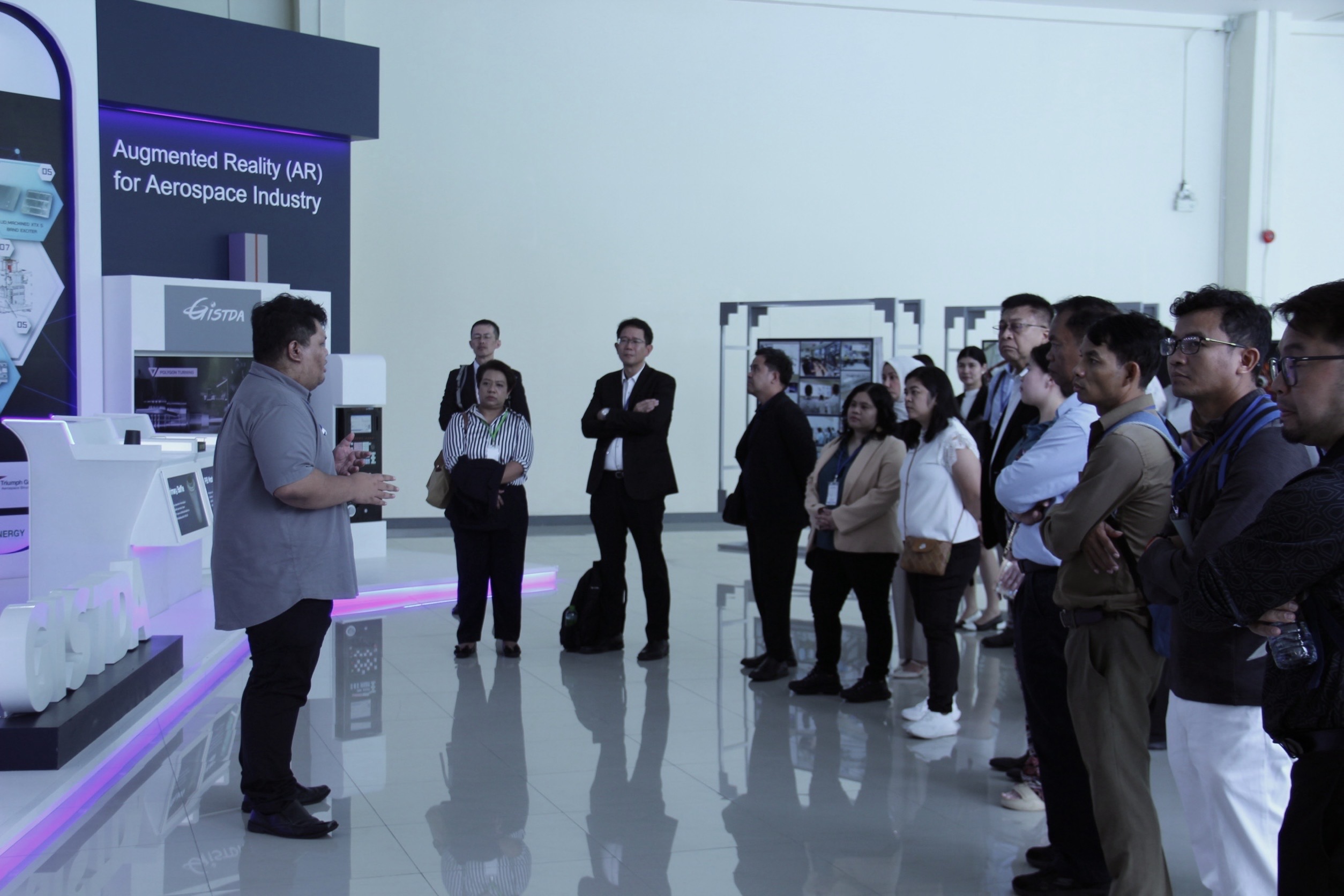
Additionally, participants had the opportunity to learn about the procedures of emergency information sharing and an overview of the disaster platform and crop drought monitoring operated by the Geo-Informatics and Space Technology Development Agency (GISTDA), Thailand. Moreover, this meeting got the honor from the Chonburi Provincial Agricultural Extension Office to present "The Overview of Disaster Data Collection Procedures in Thailand"
The workshop concluded with a field visit to GISTDA’s facility in Sriracha, Chonburi Province, where participants gained valuable insights into disaster reporting and practical knowledge. This workshop concluded successfully, with participants expressing gratitude to the AFSIS Secretariat and MAFF of Japan for their organization and support in strengthening food security information systems.







The AFSIS Secretariat participated in the 10th International Conference on Agricultural Statistics (ICAS X), held from 8 to 10 July 2026 at the ICE Krakow Congress Centre in Krakow, Poland. Jointly organized by Statistics Poland, Eurostat, the United States Department of Agriculture (USDA), the World Bank Group, and the Food and Agriculture Organization of the United Nations (FAO).
.JPG)
On 24–25 June 2026, AFSIS Secretariat participated in the 46th Meeting of the ASEAN Food Security Reserve Board (AFSRB) via a virtual conference. The Meeting was jointly organized by the AFSRB Secretariat and the Department of Agriculture (DOA), Ministry of Agriculture, Livestock and Irrigation (MOALI) of the Republic of the Union of Myanmar, and was hosted in Nay Pyi Taw, Myanmar.

On 17–18 June 2026, the 24th AFSIS Focal Point Meeting was successfully convened via video conference, hosted by the Philippine Statistics Authority (PSA) in collaboration with the ASEAN Food Security Information System (AFSIS) Secretariat.
.jpg)
The ASEAN Food Security Information System (AFSIS) Secretariat, in collaboration with the Ministry of Agriculture, Forestry and Fisheries (MAFF) Japan, Japan Aerospace Exploration Agency (JAXA), Remote Sensing Technology Center of Japan (RESTEC), and Geo-Informatics and Space Technology Development Agency (GISTDA), conducted the 2nd Hands-on Training Courses for Agricultural Statisticians, the Final Workshop, and the 2nd Seminar for Executive Officials under the JAIF Project entitled “Improvement of Rice Paddy Area Statistics and Damage Assessment using Earth Observation Satellites for ASEAN” in Sriracha, Chonburi Province, and Bangkok, Thailand.

