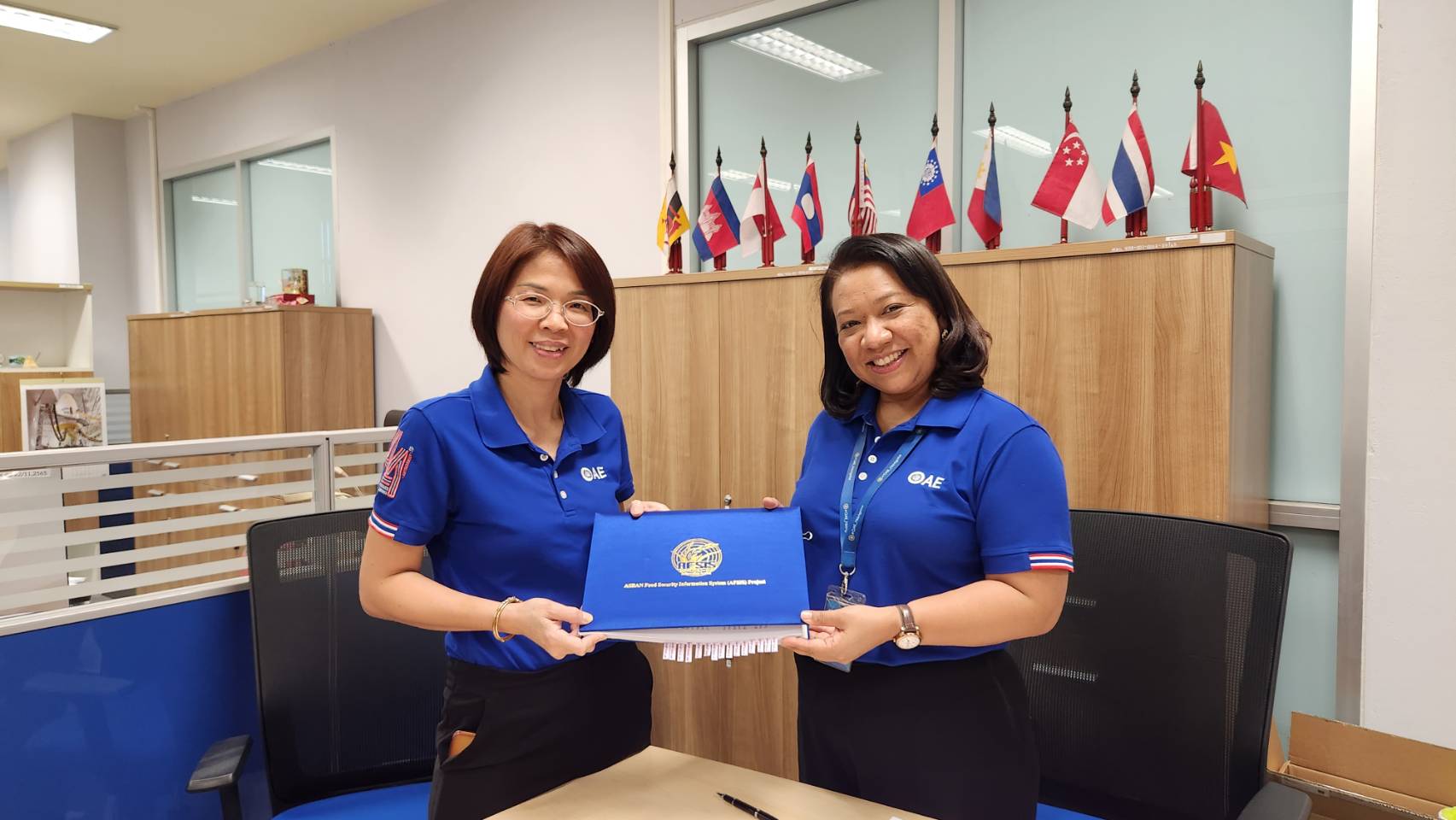
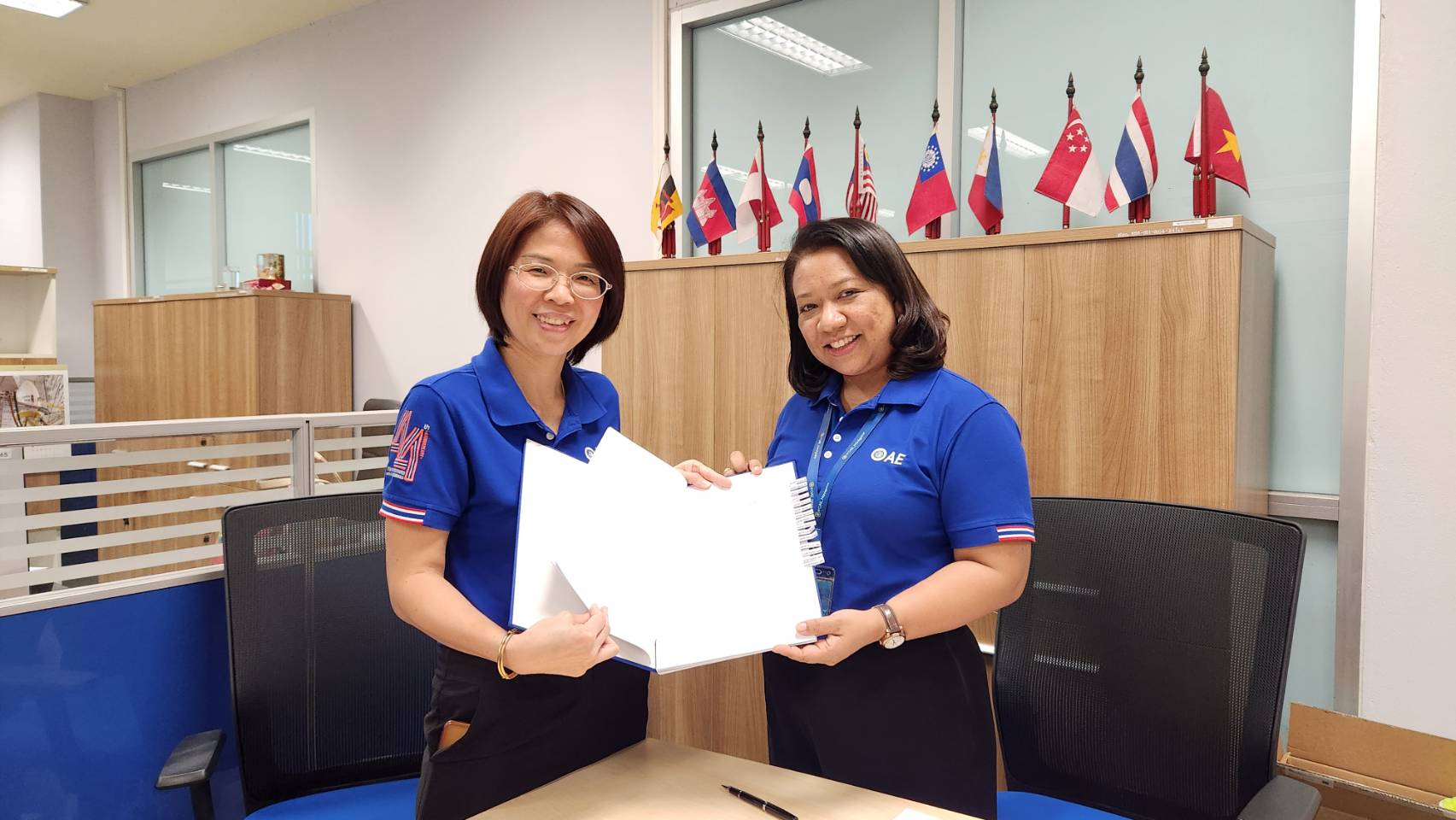
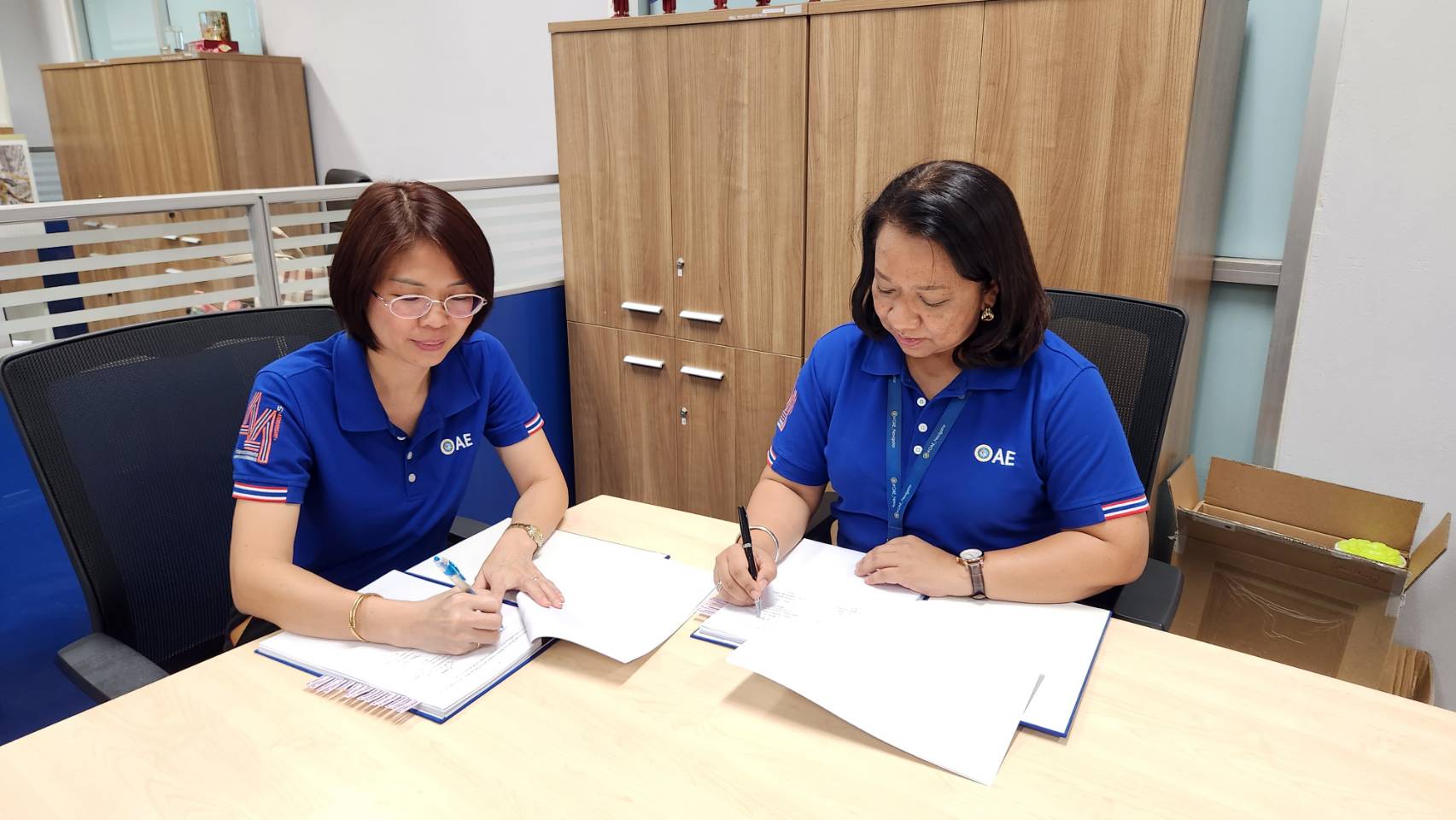
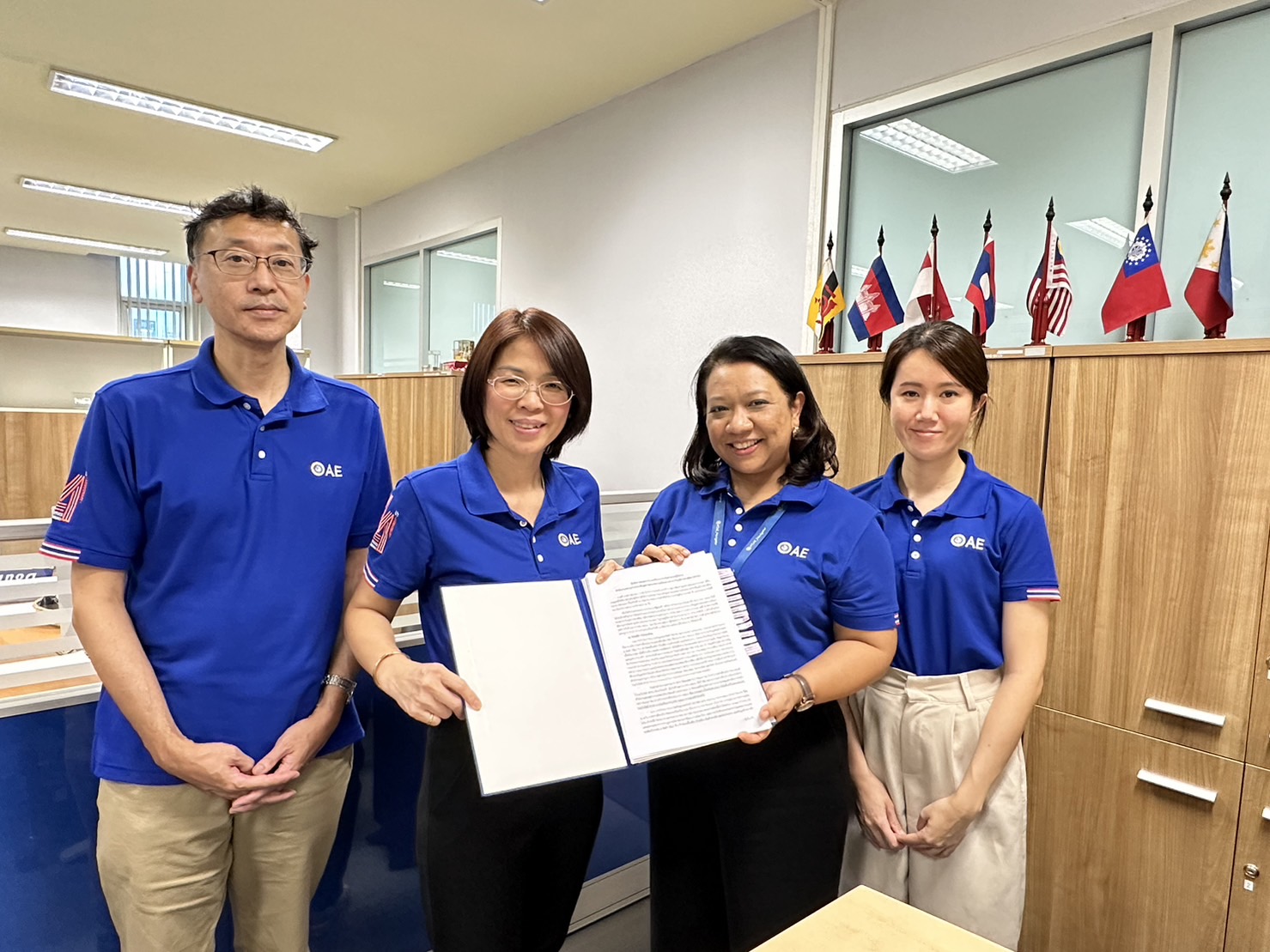
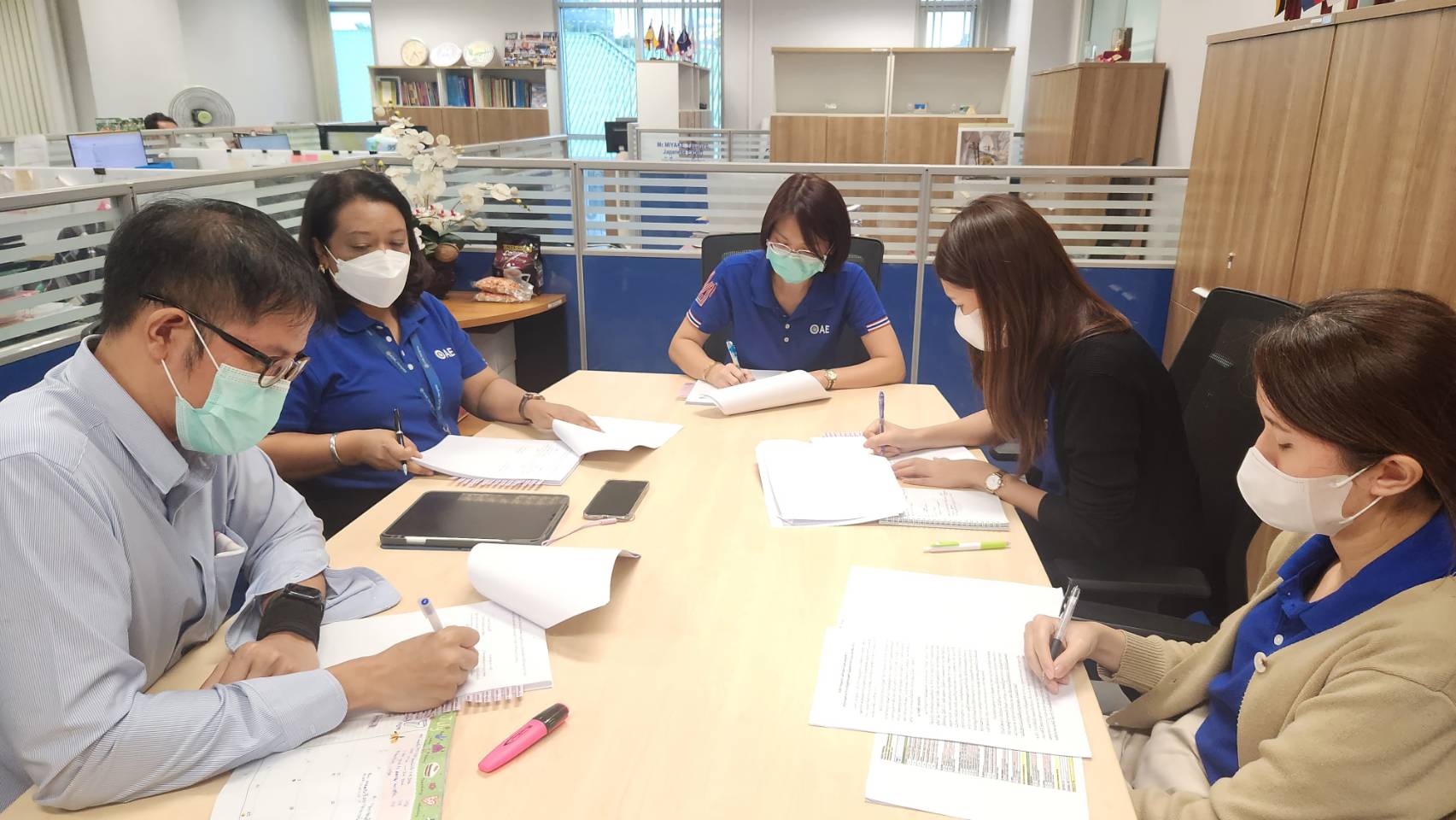
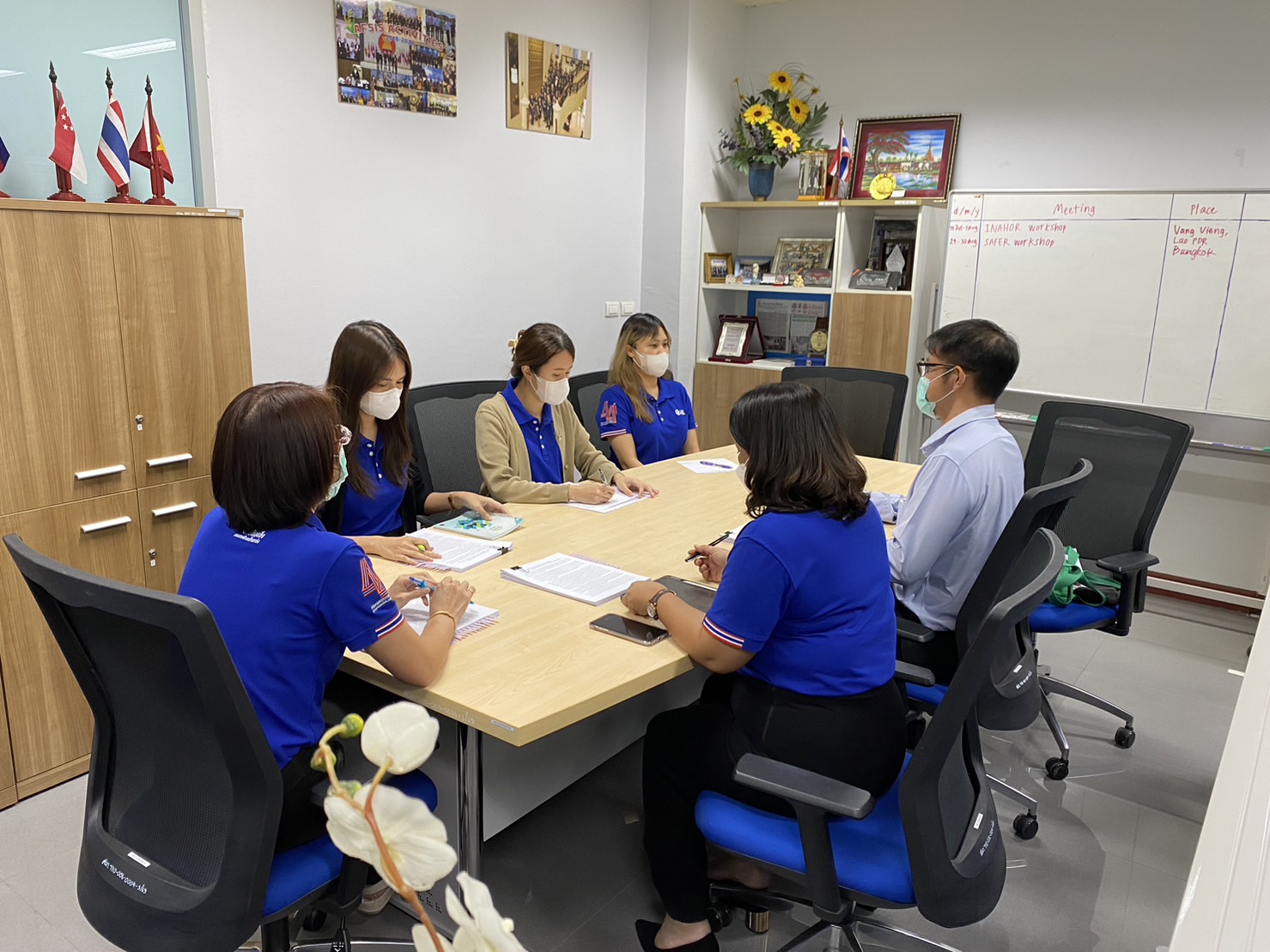
On 28 June 2023, Dr. Waraporn Saelee, an outgoing AFSIS manager, signed and handed over the position of AFSIS manager to Dr. Sumanya Ngandee, who will perform as a new AFSIS manager starting on 30 June 2023. The ceremony took place at the AFSIS Secretariat office, Innovation Building, Office of Agricultural Economics.
On this occasion, Dr. Waraporn informed the objectives of the AFSIS project, as well as explained the responsibilities of AFSIS, which focus on two aspects: Human Resource Development and Food Security Information Development, and also the AFSIS future workplan to Dr. Sumalaya. During the ceremony, gratitude was expressed to Dr. Waraporn for the success of the AFSIS project in previous work. Additionally, congratulations were extended to Dr. Sumanya on receiving the position of AFSIS manager in this instance.

The AFSIS Secretariat participated in the 10th International Conference on Agricultural Statistics (ICAS X), held from 8 to 10 July 2026 at the ICE Krakow Congress Centre in Krakow, Poland. Jointly organized by Statistics Poland, Eurostat, the United States Department of Agriculture (USDA), the World Bank Group, and the Food and Agriculture Organization of the United Nations (FAO).
.JPG)
On 24–25 June 2026, AFSIS Secretariat participated in the 46th Meeting of the ASEAN Food Security Reserve Board (AFSRB) via a virtual conference. The Meeting was jointly organized by the AFSRB Secretariat and the Department of Agriculture (DOA), Ministry of Agriculture, Livestock and Irrigation (MOALI) of the Republic of the Union of Myanmar, and was hosted in Nay Pyi Taw, Myanmar.

On 17–18 June 2026, the 24th AFSIS Focal Point Meeting was successfully convened via video conference, hosted by the Philippine Statistics Authority (PSA) in collaboration with the ASEAN Food Security Information System (AFSIS) Secretariat.
.jpg)
The ASEAN Food Security Information System (AFSIS) Secretariat, in collaboration with the Ministry of Agriculture, Forestry and Fisheries (MAFF) Japan, Japan Aerospace Exploration Agency (JAXA), Remote Sensing Technology Center of Japan (RESTEC), and Geo-Informatics and Space Technology Development Agency (GISTDA), conducted the 2nd Hands-on Training Courses for Agricultural Statisticians, the Final Workshop, and the 2nd Seminar for Executive Officials under the JAIF Project entitled “Improvement of Rice Paddy Area Statistics and Damage Assessment using Earth Observation Satellites for ASEAN” in Sriracha, Chonburi Province, and Bangkok, Thailand.

