
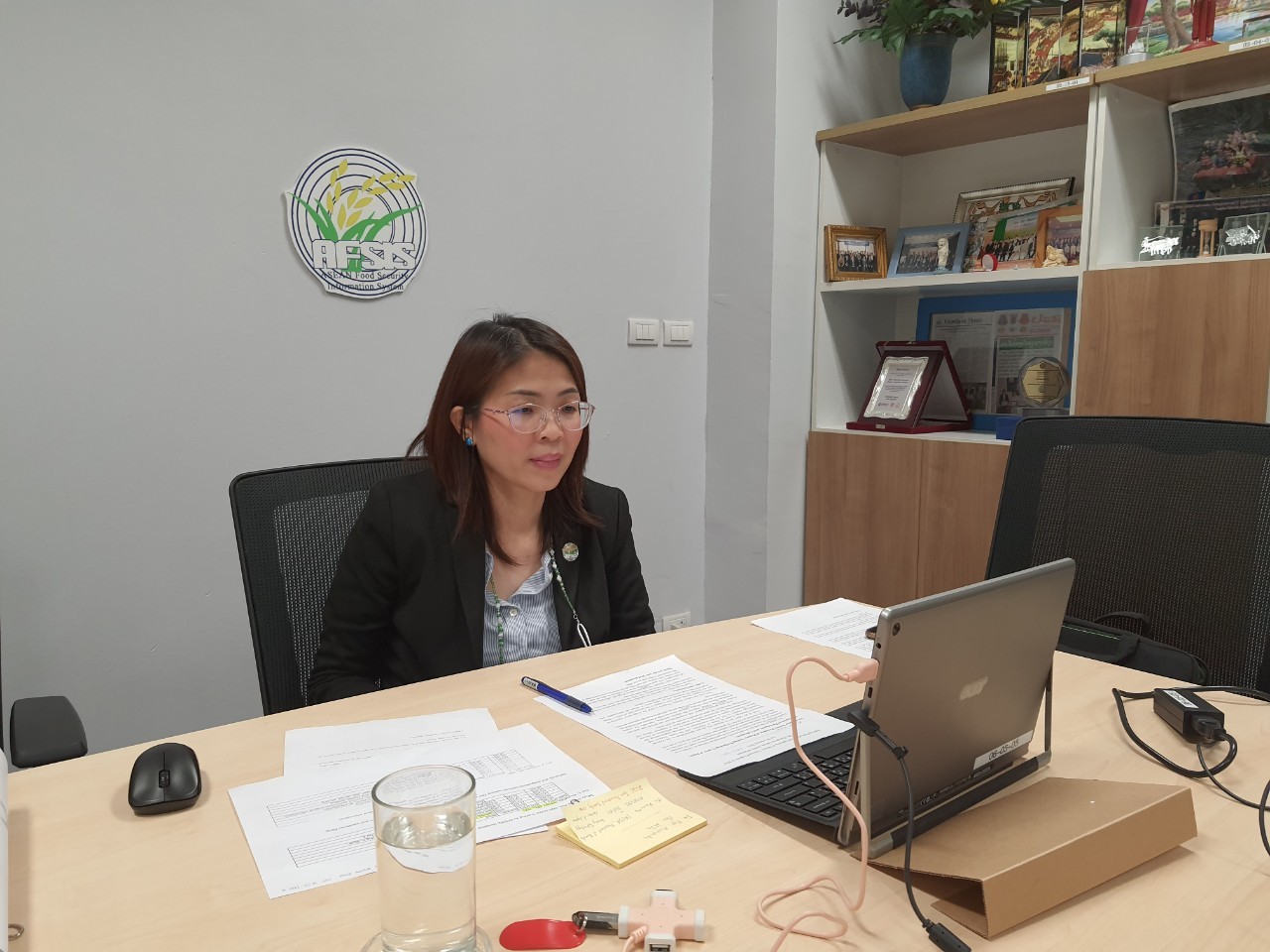
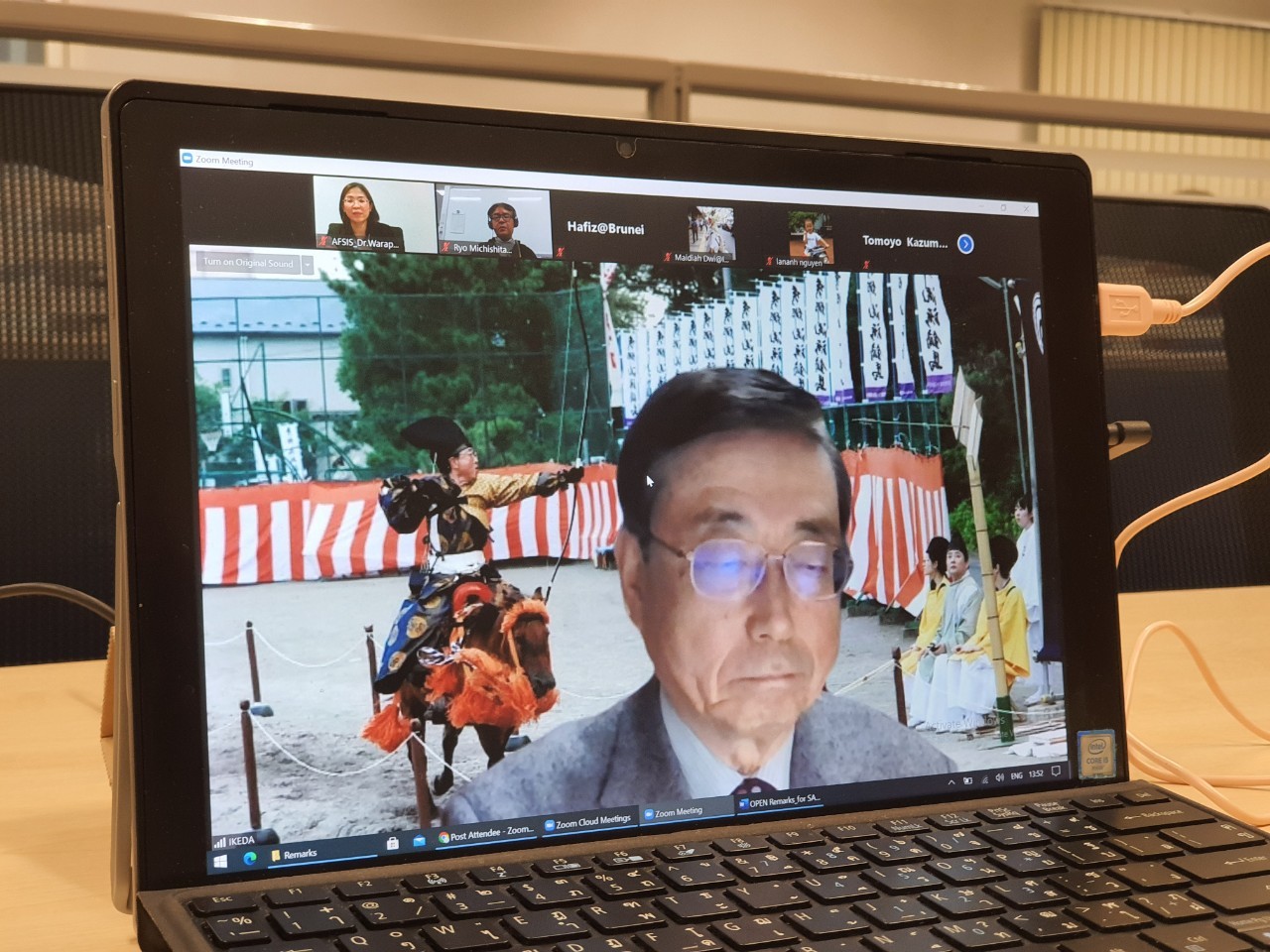
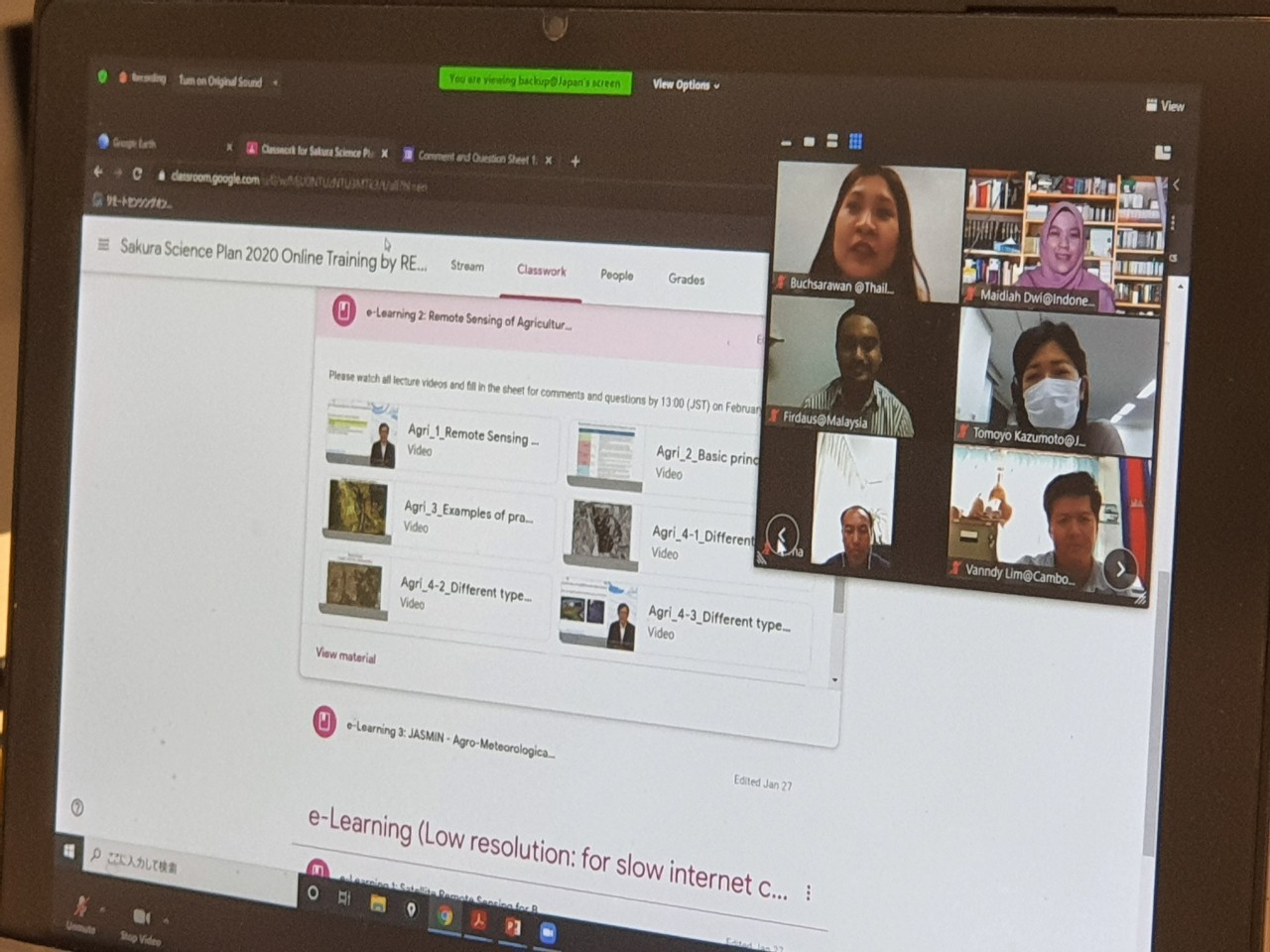
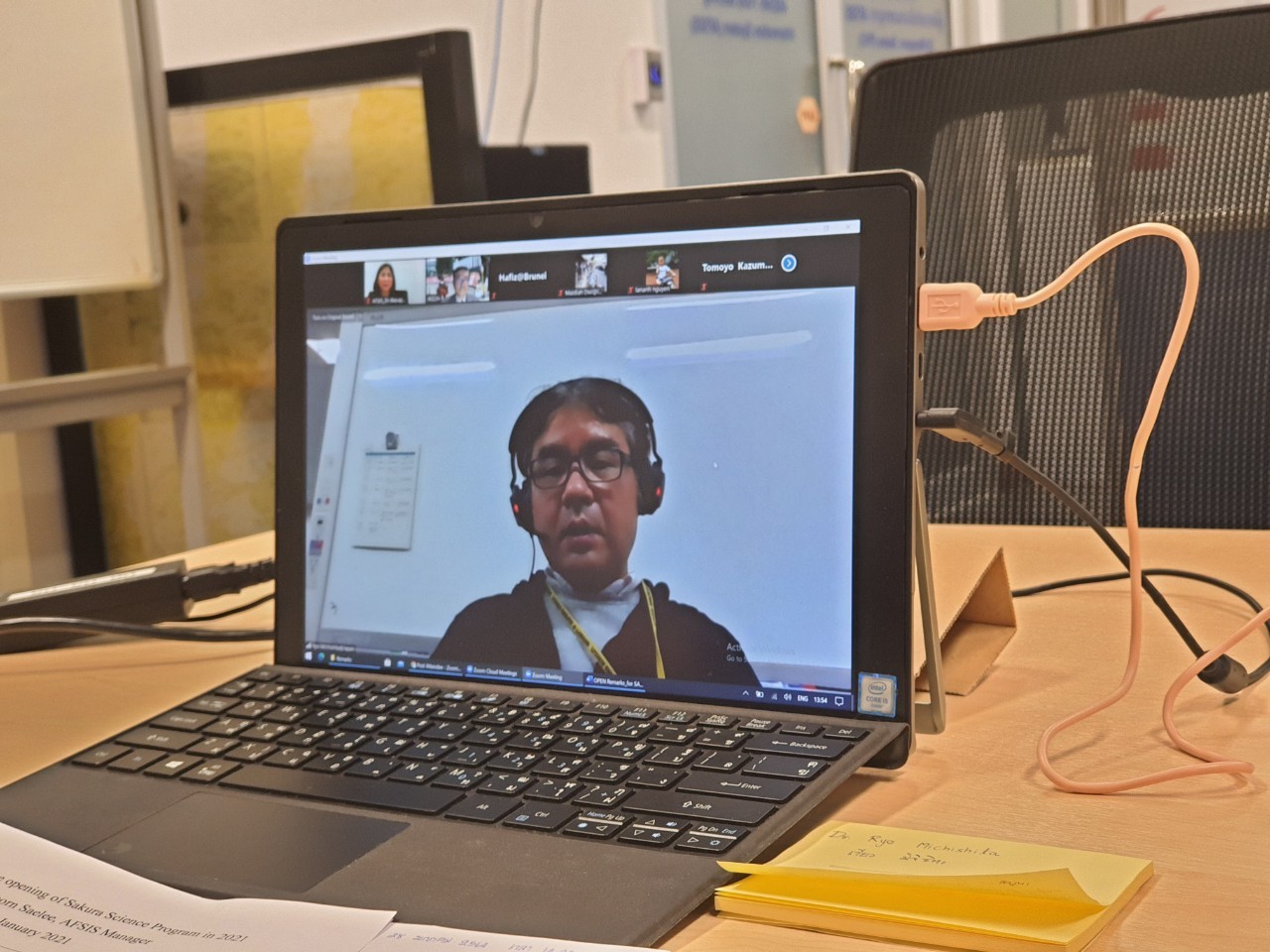
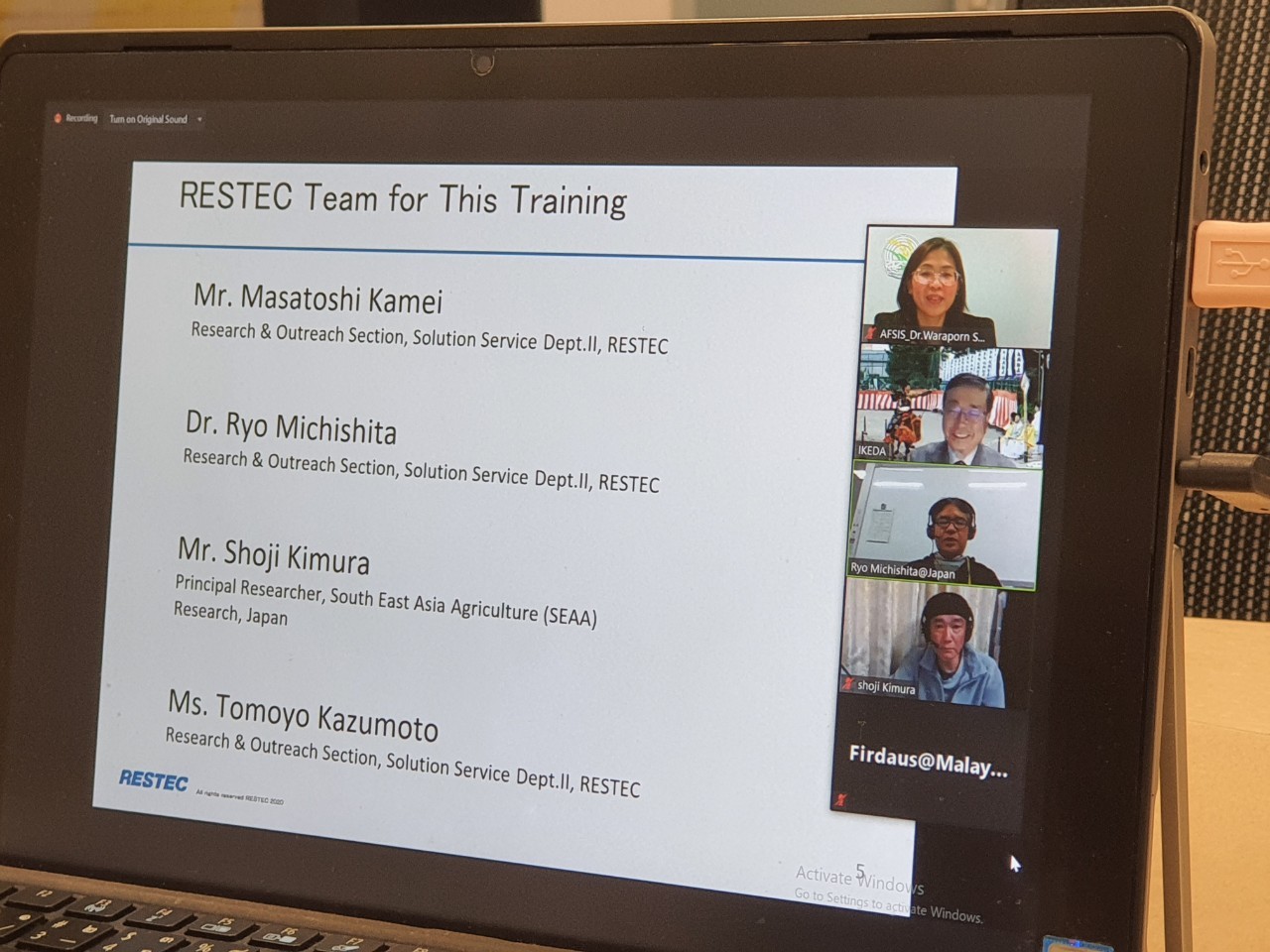
The ASEAN Food Security Information System (AFSIS) in cooperation with theRemote Sensing Technology Center of Japan (RESTEC) and Japan Science and Technology Agency (JST) organized the Japan Asia Youth Exchange Program in Science or “Sakura Science Program 2021”. The program objective is to improve human capacity, especially for young generation officers who will play a critical role in the field of science and technology in the future, for agriculture knowledge and its utilization through Japanese science and technology.
This time the program is designed in two stages with 15 participants from almost ASEAN Member countries, namely Brunei Darussalam, Cambodia, Indonesia, Lao PDR, Malaysia, Myanmar, Philippines, Thailand and Vietnam. The first stage is introduction of the program through online training on January 28, 2021 and February 4, 2021 due to the COVID-19 pandemic, and the second stage is actual visit in Japan in the second half of 2021.
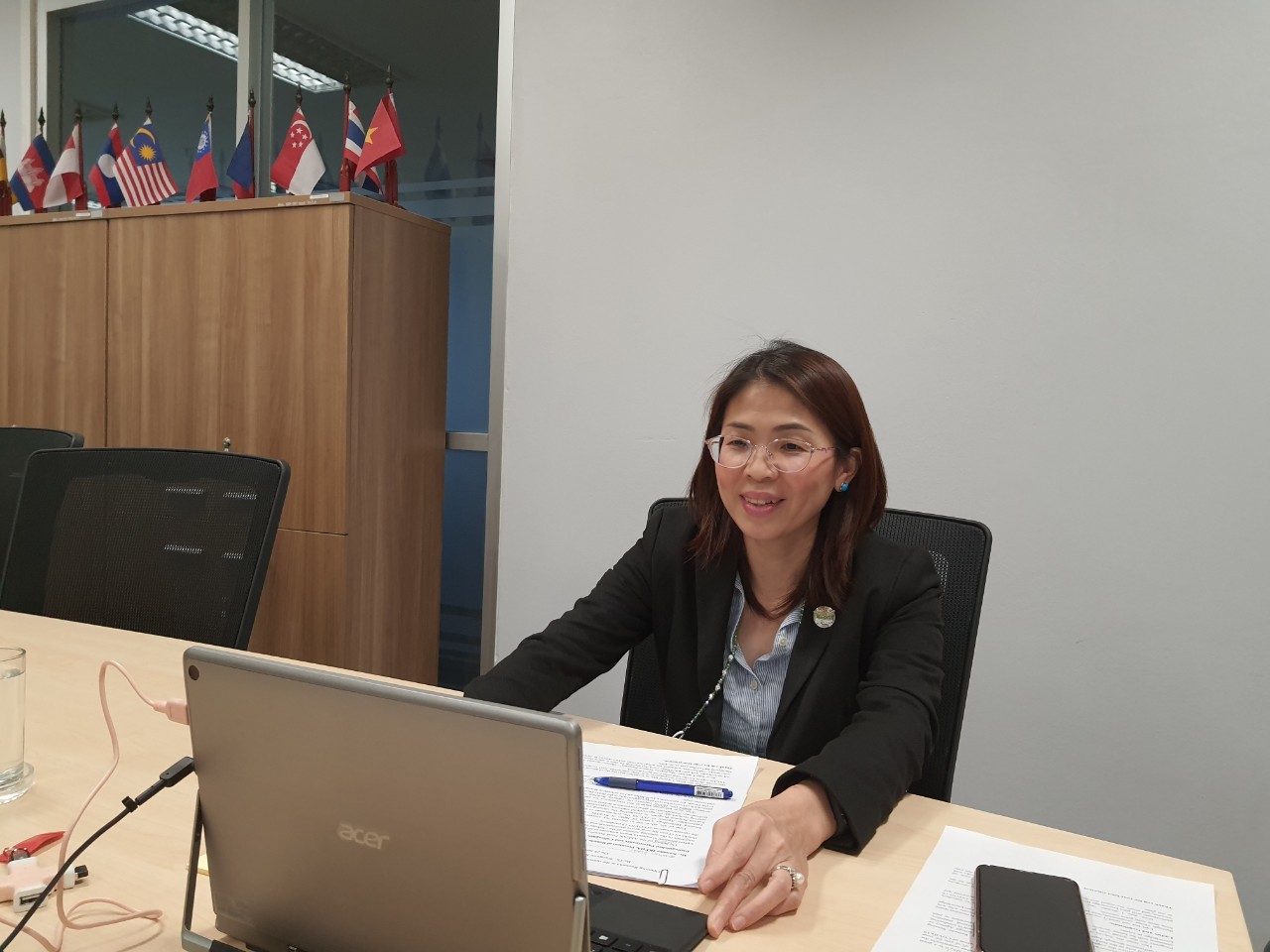
In the open ceremony, the program was honored by Mr. Kaname IKEDA, President of RESTEC, and Dr. Waraporn Saelee, AFSIS Manager, to open the remarks. They highlighted the great cooperation and success in past several years in commitment to continue implementing the Sakura Science Program in conducting the training on the utilization of remote sensing technology for agricultural statistics and experiences in Japanese culture and technology.

On 29 July 2026, the APEC Policy Partnership on Food Security (PPFS) successfully convened the APEC PPFS Webinar on Strategic Cooperation for Strengthening Food System Resilience via a virtual platform. The webinar was organized by the Ministry of Agriculture, Food and Rural Affairs (MAFRA) of the Republic of Korea as a self-funded PPFS project to promote strategic cooperation and knowledge exchange on strengthening food system resilience across APEC member economies.

The AFSIS Secretariat participated in the 10th International Conference on Agricultural Statistics (ICAS X), held from 8 to 10 July 2026 at the ICE Krakow Congress Centre in Krakow, Poland. Jointly organized by Statistics Poland, Eurostat, the United States Department of Agriculture (USDA), the World Bank Group, and the Food and Agriculture Organization of the United Nations (FAO).
.JPG)
On 24–25 June 2026, AFSIS Secretariat participated in the 46th Meeting of the ASEAN Food Security Reserve Board (AFSRB) via a virtual conference. The Meeting was jointly organized by the AFSRB Secretariat and the Department of Agriculture (DOA), Ministry of Agriculture, Livestock and Irrigation (MOALI) of the Republic of the Union of Myanmar, and was hosted in Nay Pyi Taw, Myanmar.

On 17–18 June 2026, the 24th AFSIS Focal Point Meeting was successfully convened via video conference, hosted by the Philippine Statistics Authority (PSA) in collaboration with the ASEAN Food Security Information System (AFSIS) Secretariat.

