
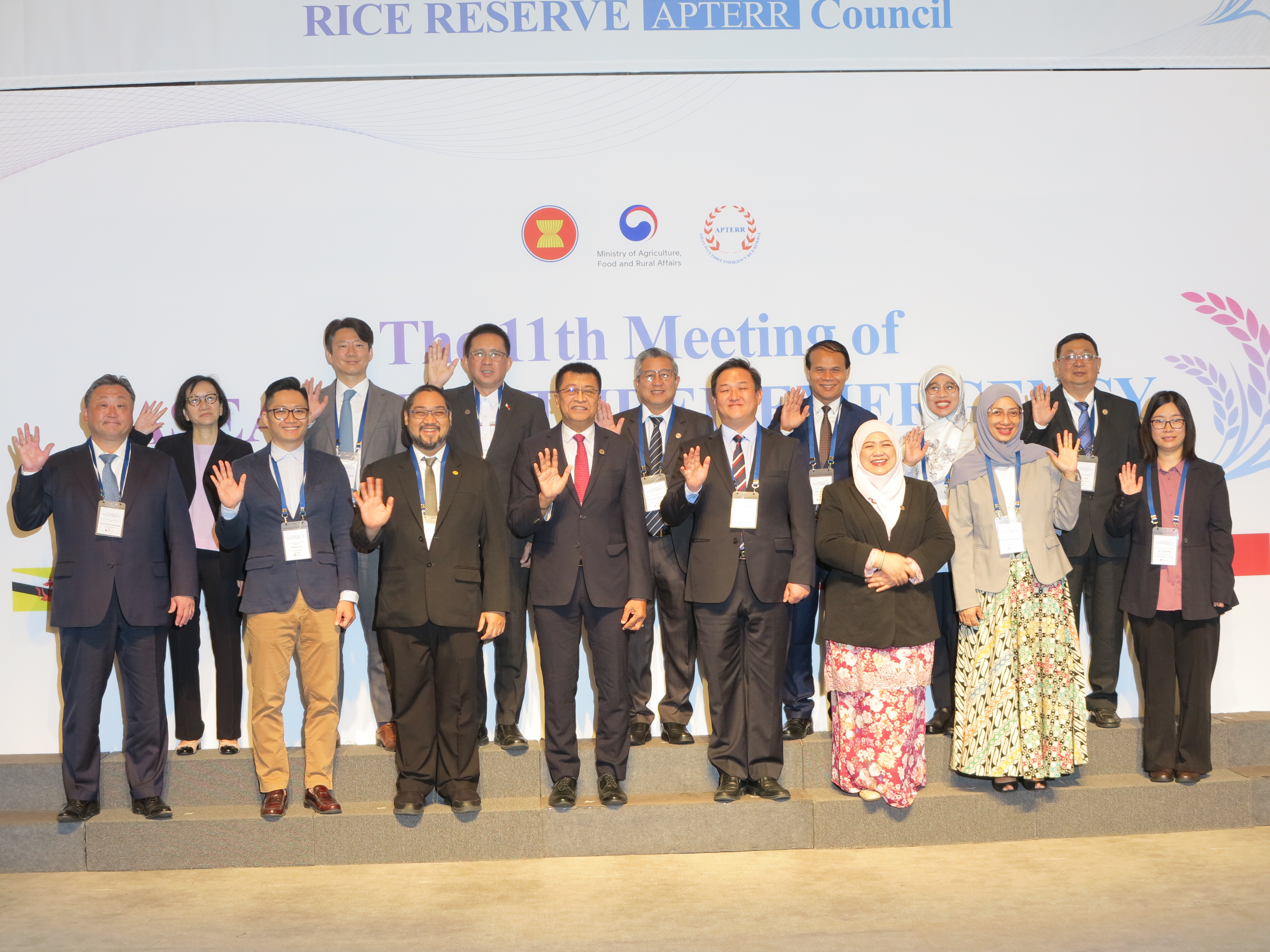
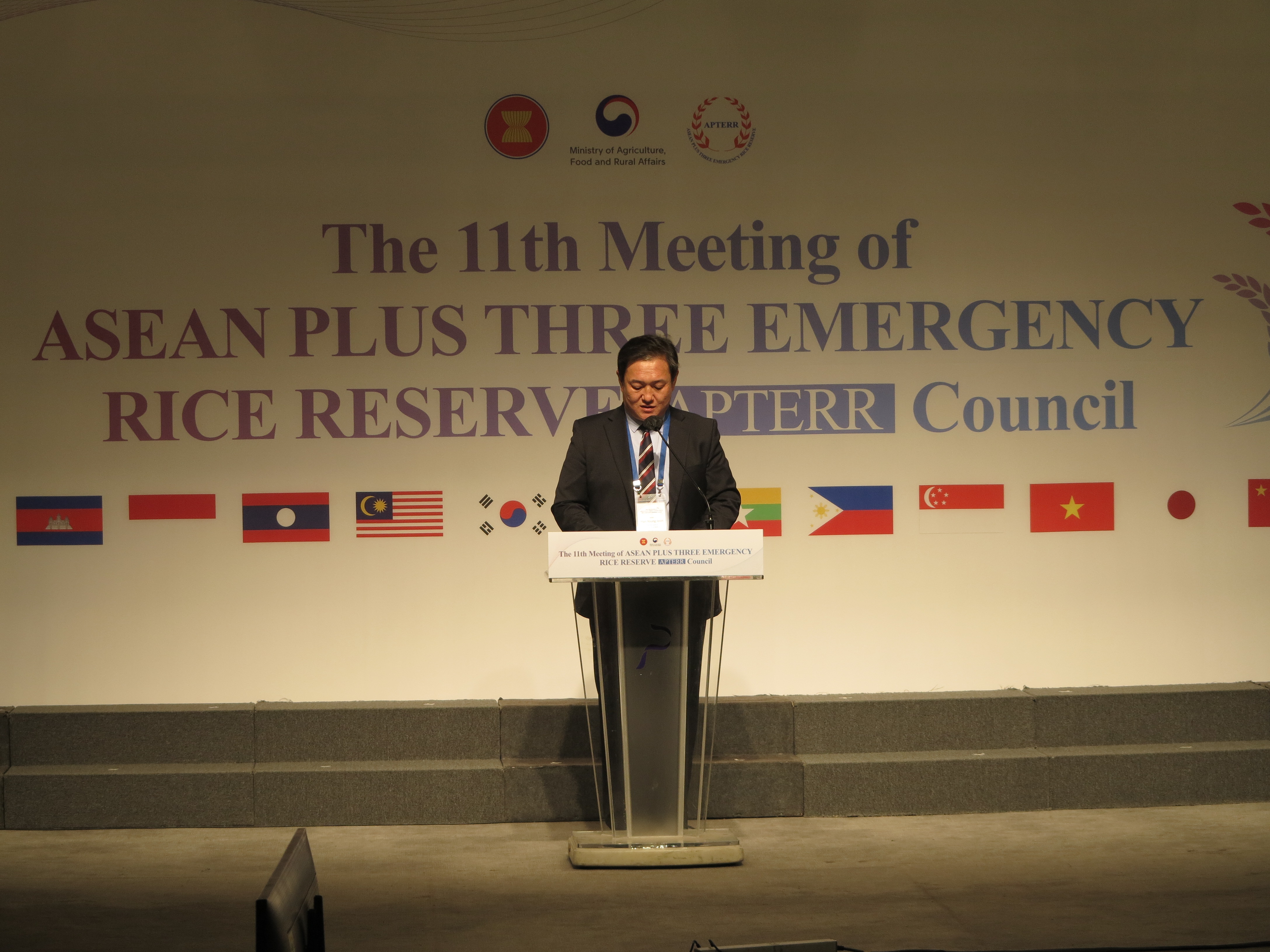
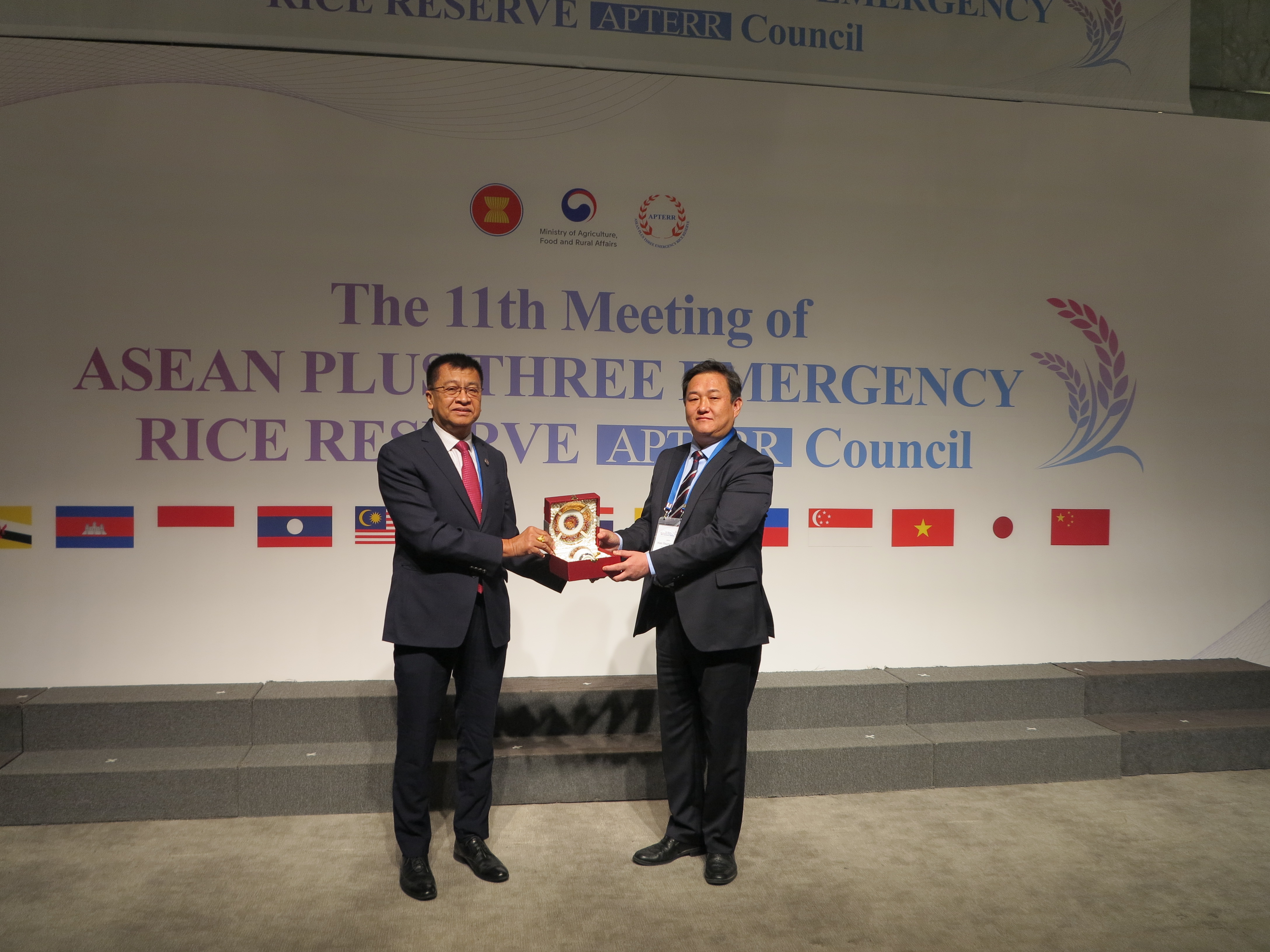
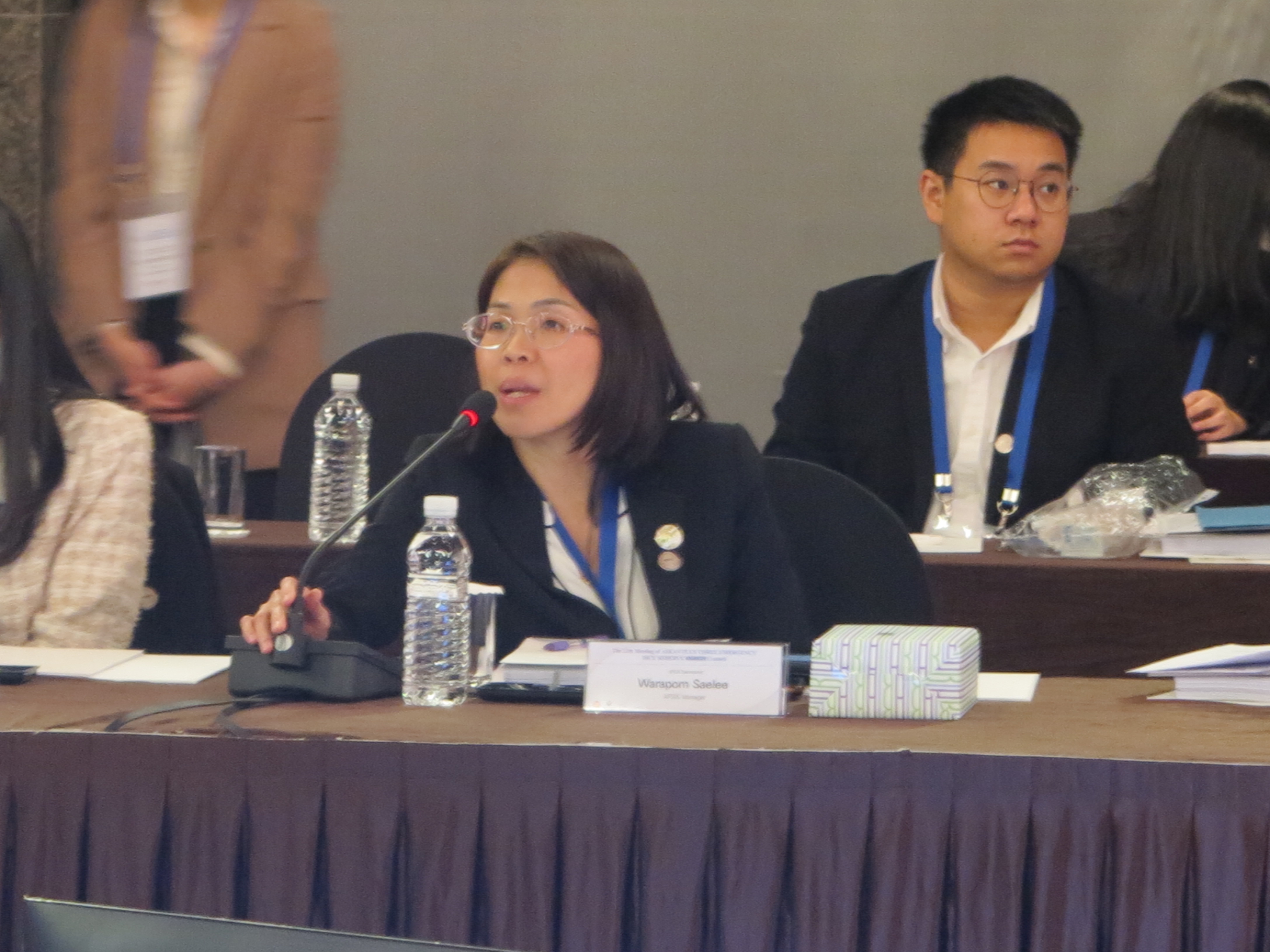
The 11th Meeting of ASEAN Plus Three Emergency Rice Reserve (APTERR) Council was conducted physically on 25-26 April 2023 at the Plaza Hotel in Seoul, Republic of Korea, hosted by the Ministry of Agriculture, Food and Rural Affairs (MAFRA) of the Republic of Korea.
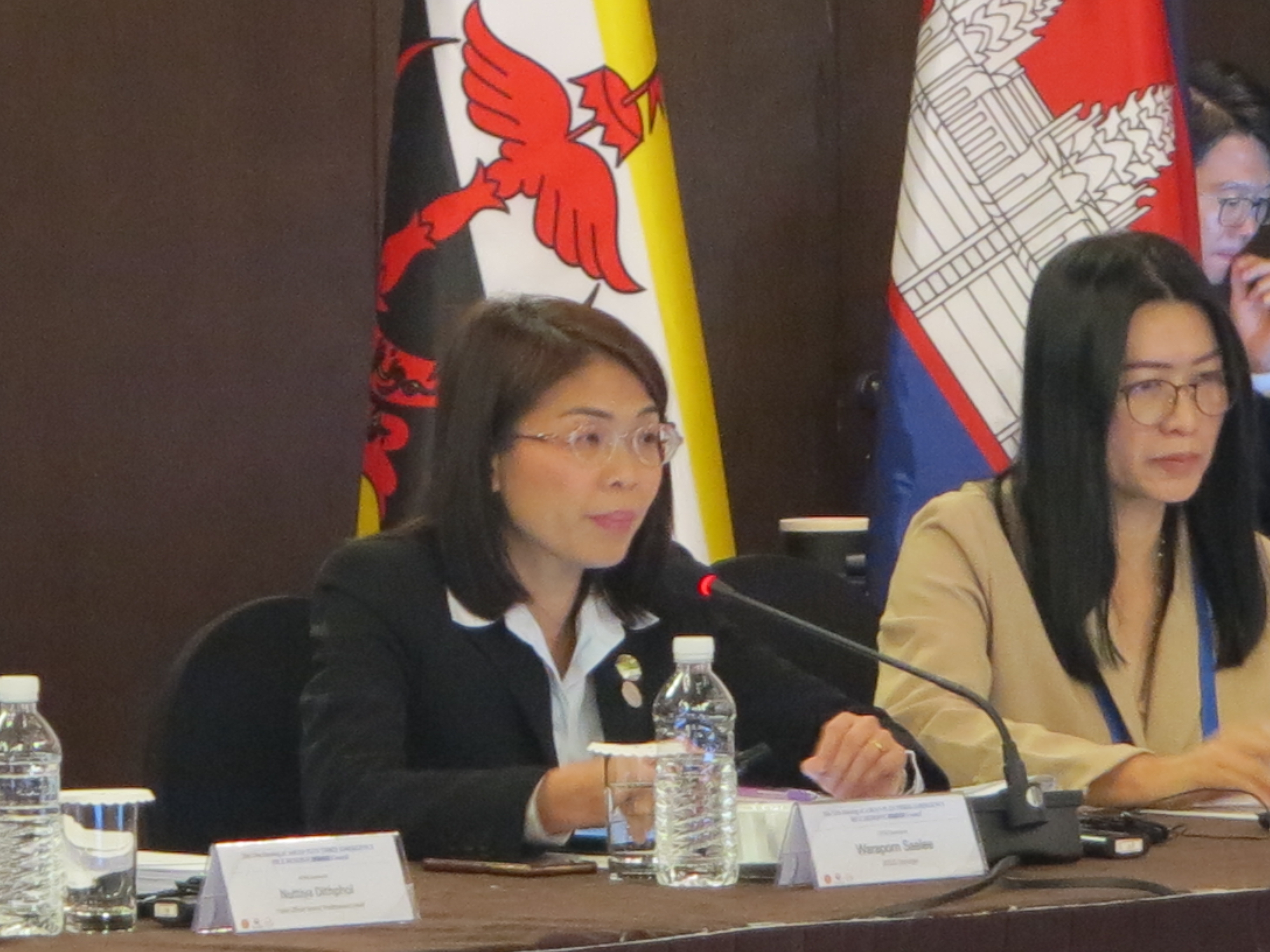
Participants were from the APTERR members and related organizations such as the ASEAN Food Security Information System (AFSIS) Secretariat, which was AFSIS Manager, Dr. Waraporn Saelee, and the ASEAN Food Security Reserve Board (AFSRB) Secretariat.
The objectives of the meeting are to report and discuss the outcomes of the work and budget for the fiscal year 2022, the terminal report of the second phase of financial contribution to the APTERR Fund, and to propose the work and annual operational budget proposal for the fiscal year 2023. Also, the Meeting was updated on the completed implementation from the recipient countries.
In addition, during the meeting this year, Dr. Waraporn had an opportunity to present the proposed option “To merge AFSIS to APTERR” for the future of AFSIS to discuss with the APTERR Council members. The result of the discussion, including recommendations and considerations from this meeting will be presented in the upcoming 21st AFSIS Focal Point Meeting on 17-18 May 2023 in Lao PDR and will be reported to the SSOM-AMAF+3 this year for further consideration and action in order to sustain the AFSIS in the future.
The next meeting, the 12th Meeting of APTERR Council, will be hosted by the People’s Republic of China and the date is still under consideration.


On 29 July 2026, the APEC Policy Partnership on Food Security (PPFS) successfully convened the APEC PPFS Webinar on Strategic Cooperation for Strengthening Food System Resilience via a virtual platform. The webinar was organized by the Ministry of Agriculture, Food and Rural Affairs (MAFRA) of the Republic of Korea as a self-funded PPFS project to promote strategic cooperation and knowledge exchange on strengthening food system resilience across APEC member economies.

The AFSIS Secretariat participated in the 10th International Conference on Agricultural Statistics (ICAS X), held from 8 to 10 July 2026 at the ICE Krakow Congress Centre in Krakow, Poland. Jointly organized by Statistics Poland, Eurostat, the United States Department of Agriculture (USDA), the World Bank Group, and the Food and Agriculture Organization of the United Nations (FAO).
.JPG)
On 24–25 June 2026, AFSIS Secretariat participated in the 46th Meeting of the ASEAN Food Security Reserve Board (AFSRB) via a virtual conference. The Meeting was jointly organized by the AFSRB Secretariat and the Department of Agriculture (DOA), Ministry of Agriculture, Livestock and Irrigation (MOALI) of the Republic of the Union of Myanmar, and was hosted in Nay Pyi Taw, Myanmar.

On 17–18 June 2026, the 24th AFSIS Focal Point Meeting was successfully convened via video conference, hosted by the Philippine Statistics Authority (PSA) in collaboration with the ASEAN Food Security Information System (AFSIS) Secretariat.

